Leonidio: The Hidden Gem of Arcadia
Leonidio, nestled between the dramatic red cliffs of Mount Parnon and the Myrtoan Sea in eastern Peloponnese, is one of Greece’s most authentic and unspoiled destinations. Known for its unique Tsakonian heritage, traditional architecture, and breathtaking natural surroundings, Leonidio offers a perfect blend of culture, gastronomy, and outdoor adventure. It is an ideal destination for travelers seeking authenticity, tranquility, and a deep connection with local traditions.
Geography and Landscape
Leonidio is located in a fertile valley where mountains meet the sea, creating a striking contrast of landscapes. Towering red limestone cliffs rise above the town, making it one of Europe’s top rock-climbing destinations. The area features lush orange and olive groves, scenic hiking trails, and nearby coastal villages such as Plaka, offering beautiful beaches and crystal-clear waters. The unique combination of mountainous terrain and seaside charm makes Leonidio a truly distinctive destination.
History & Heritage
Leonidio is the heart of Tsakonia, a region with its own dialect—Tsakonian—derived from ancient Doric Greek, making it one of the oldest living languages in Europe. The town flourished during the 18th and 19th centuries, reflected in its elegant stone mansions and neoclassical houses. Its rich cultural traditions are preserved through local customs, festivals, and architecture, offering visitors a rare glimpse into a unique Greek heritage.
Key Attractions
Visitors to Leonidio can explore a variety of cultural and natural highlights:
- Traditional Mansions: Beautiful stone-built houses showcasing local architecture and history.
- Tsakonian Heritage: A unique cultural identity expressed through language, music, and traditions.
- Plaka Beach: A nearby seaside village with clear waters and a relaxed atmosphere.
- Monastery of Elona: Dramatically built into a cliffside, offering stunning views and spiritual significance.
- Red Rock Cliffs: A world-renowned climbing destination attracting enthusiasts from around the globe.
Activities and Experiences
Leonidio is perfect for combining relaxation with active exploration:
- Rock climbing on the impressive limestone cliffs.
- Hiking through mountain trails and exploring hidden monasteries.
- Swimming and relaxing at nearby beaches.
- Tasting local specialties such as the famous Tsakonian eggplant.
- Experiencing traditional festivals like the Easter hot air balloon celebrations.
Climate and Best Time to Visit
Leonidio enjoys a Mediterranean climate with warm summers and mild winters.
- Spring and Autumn: Ideal for outdoor activities, climbing, and exploring the countryside.
- Summer: Perfect for beach visits and enjoying village life by the sea.
- Winter: Quiet and authentic, offering a peaceful escape.
Leonidio is a destination where tradition, nature, and authenticity come together. From its unique Tsakonian culture and elegant architecture to its dramatic cliffs and tranquil coastline, it offers an experience far from the ordinary. Whether for adventure, gastronomy, or cultural discovery, Leonidio reveals a lesser-known yet unforgettable side of Greece.
Monemvasia: The Medieval Castle Town of the Peloponnese
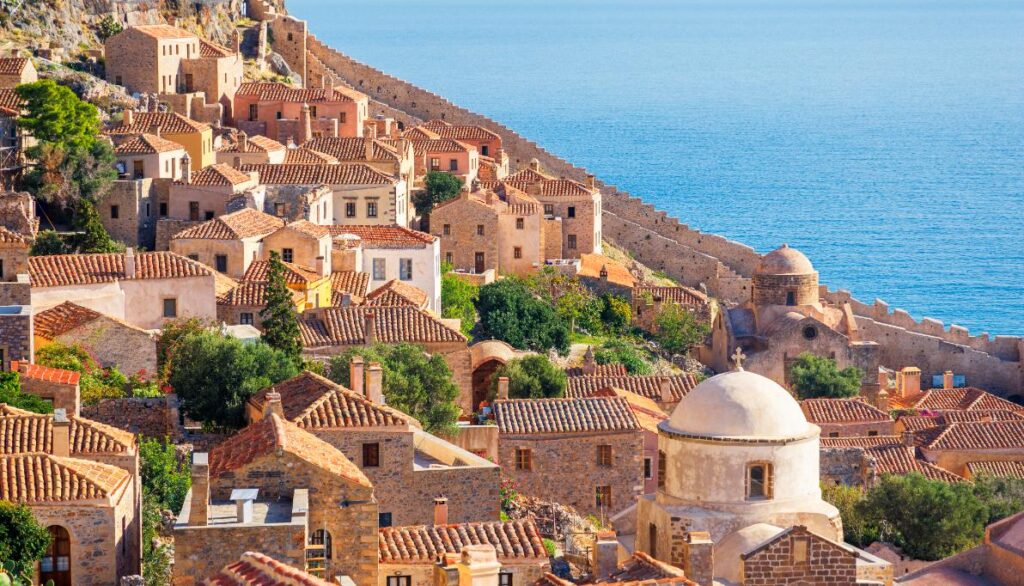
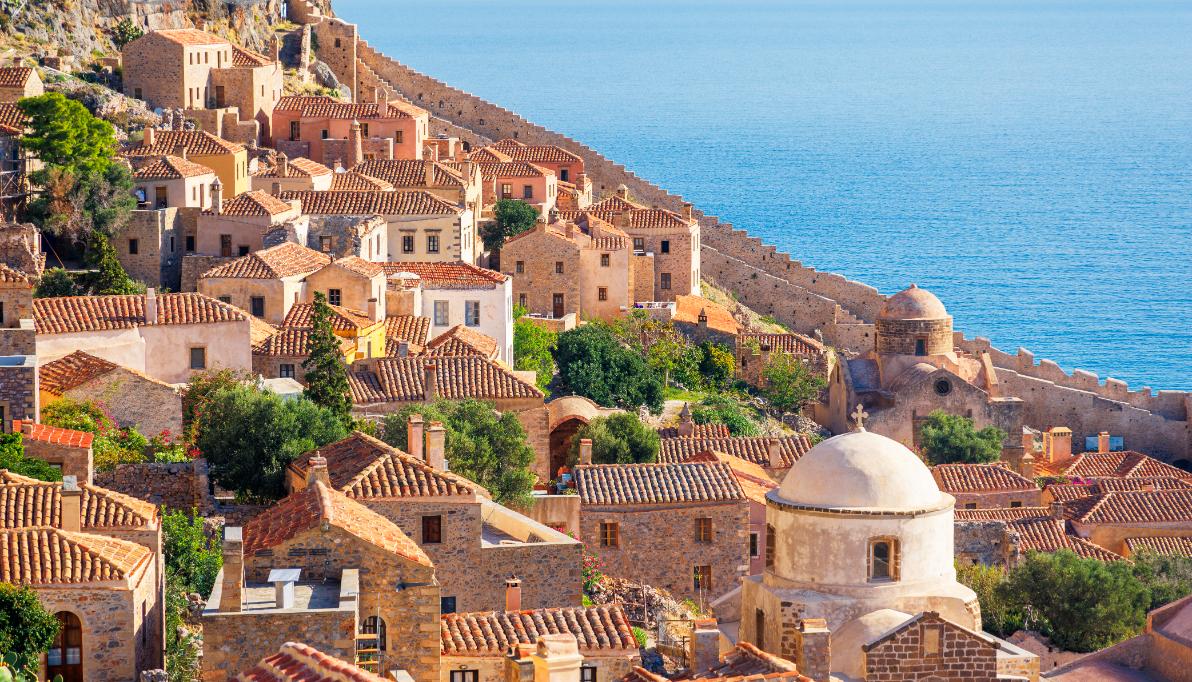
Monemvasia, located on the southeastern coast of the Peloponnese, is one of Greece’s most atmospheric and romantic destinations. Built on a massive rock rising from the sea and connected to the mainland by a narrow causeway, this fortified town feels like a journey back in time. With its Byzantine churches, stone houses, and breathtaking sea views, Monemvasia offers a unique blend of history, culture, and timeless beauty.
Geography and Landscape
Monemvasia is situated on a rocky islet off the coast of Laconia, connected to the mainland by a single road—its name literally means “single entrance.” The imposing rock dominates the landscape, with steep cliffs plunging into the Myrtoan Sea. The lower town spreads along the base of the rock, while the upper town sits higher up, offering panoramic views of the surrounding sea and countryside. The area combines rugged natural scenery with a dramatic and unforgettable setting.
History & Heritage
Monemvasia was founded in the 6th century as a refuge from invasions and quickly developed into a major Byzantine stronghold and trading center. Over the centuries, it came under Venetian and later Ottoman rule, each leaving its mark on the town’s architecture and culture. During the medieval period, Monemvasia flourished as an important port, known even in Western Europe for its famous sweet wine, “Malvasia.” Today, its preserved walls, churches, and mansions make it one of the most significant medieval sites in Greece.
Key Attractions
Visitors to Monemvasia can explore a wealth of historical treasures:
- Lower Town: A beautifully restored medieval settlement with stone houses, narrow alleys, boutique hotels, and traditional tavernas.
- Upper Town (Ano Poli): The abandoned upper settlement, offering spectacular views and a sense of untouched history.
- Church of Agia Sophia: A stunning Byzantine church perched on the cliff, with panoramic sea views.
- Fortified Walls and Gates: Impressive defensive structures that once protected the town from invaders.
- Archaeological and Cultural Sites: Small museums and historic buildings showcasing Monemvasia’s past.
Activities and Experiences
Monemvasia is ideal for slow, immersive travel:
- Wandering through cobblestone streets and discovering hidden corners.
- Enjoying romantic sunsets over the Myrtoan Sea.
- Dining in traditional tavernas with local specialties and regional wines.
- Hiking up to the upper town for panoramic views.
- Exploring nearby beaches and coastal landscapes.
Climate and Best Time to Visit
Monemvasia enjoys a Mediterranean climate with warm summers and mild winters.
- Spring and Autumn: Ideal for exploring the town and hiking with pleasant temperatures.
- Summer: Warm and lively, perfect for combining sightseeing with beach visits.
- Winter: Quiet and atmospheric, offering a more intimate and authentic experience.
Monemvasia is a destination where history, romance, and natural beauty come together. From its medieval streets and Byzantine churches to its dramatic sea views and peaceful atmosphere, it offers a truly unforgettable experience. Whether for a cultural journey, a romantic escape, or a step back in time, Monemvasia captures the essence of Greece’s rich heritage.

Mystras: The Byzantine Wonder of the Peloponnese
Mystras, located on the slopes of Mount Taygetus near Sparta in the Peloponnese, is one of Greece’s most important Byzantine sites. This atmospheric medieval town, now a UNESCO World Heritage Site, offers a unique journey into the final centuries of the Byzantine Empire. With its palaces, monasteries, churches, and stone-built pathways, Mystras combines history, spirituality, and natural beauty in a truly captivating setting.
Geography and Landscape
Mystras is set on a hillside overlooking the fertile valley of Sparta, surrounded by the imposing landscape of Mount Taygetus. The site is built amphitheatrically along the slopes, with winding paths connecting its lower and upper sections. The combination of lush greenery, mountain scenery, and panoramic views across the valley creates a serene and picturesque environment, ideal for exploration and reflection.
History & Heritage
Founded in the 13th century by the Franks, Mystras quickly became a major center of Byzantine power and culture. It later served as the capital of the Despotate of the Morea and was a hub of intellectual and artistic life during the final years of the Byzantine Empire. Emperors, scholars, and artists lived and worked here, contributing to a cultural renaissance before the fall of Constantinople. After the Ottoman conquest, the city gradually declined and was eventually abandoned, leaving behind a remarkably well-preserved medieval landscape.
Key Attractions
Visitors to Mystras can explore a wealth of historical and architectural treasures:
- Palace of the Despots: The administrative and royal center of Mystras, offering impressive views over the valley.
- Church of Agios Dimitrios: The cathedral where the last Byzantine emperor, Constantine XI Palaiologos, was crowned.
- Monastery of Pantanassa: Still active today, known for its beautiful frescoes and peaceful atmosphere.
- Monastery of Peribleptos: Built into the rock, featuring stunning Byzantine frescoes.
- Fortress (Kastro): The highest point of Mystras, providing panoramic views of the surrounding region.
Activities and Experiences
Mystras offers a unique combination of cultural exploration and outdoor experience:
- Walking through cobbled paths and discovering Byzantine monuments.
- Exploring churches adorned with centuries-old frescoes.
- Hiking up to the fortress for breathtaking views.
- Experiencing the peaceful and spiritual atmosphere of the monasteries.
- Combining the visit with nearby Sparta and the Laconian countryside.
Climate and Best Time to Visit
Mystras enjoys a Mediterranean climate with mountain influences.
- Spring and Autumn: Ideal for visiting, with mild temperatures and lush landscapes.
- Summer: Warm, best explored in the morning or late afternoon.
- Winter: Cooler and quieter, offering a more contemplative experience.
Mystras is more than an archaeological site—it is a living testament to Byzantium’s final glory. From its majestic palaces and frescoed churches to its tranquil mountain setting, it offers a journey into a forgotten world of art, faith, and history. Whether exploring its paths or simply taking in the views, Mystras leaves a lasting impression on every visitor.
Nemea: The Wine Heart of the Peloponnese
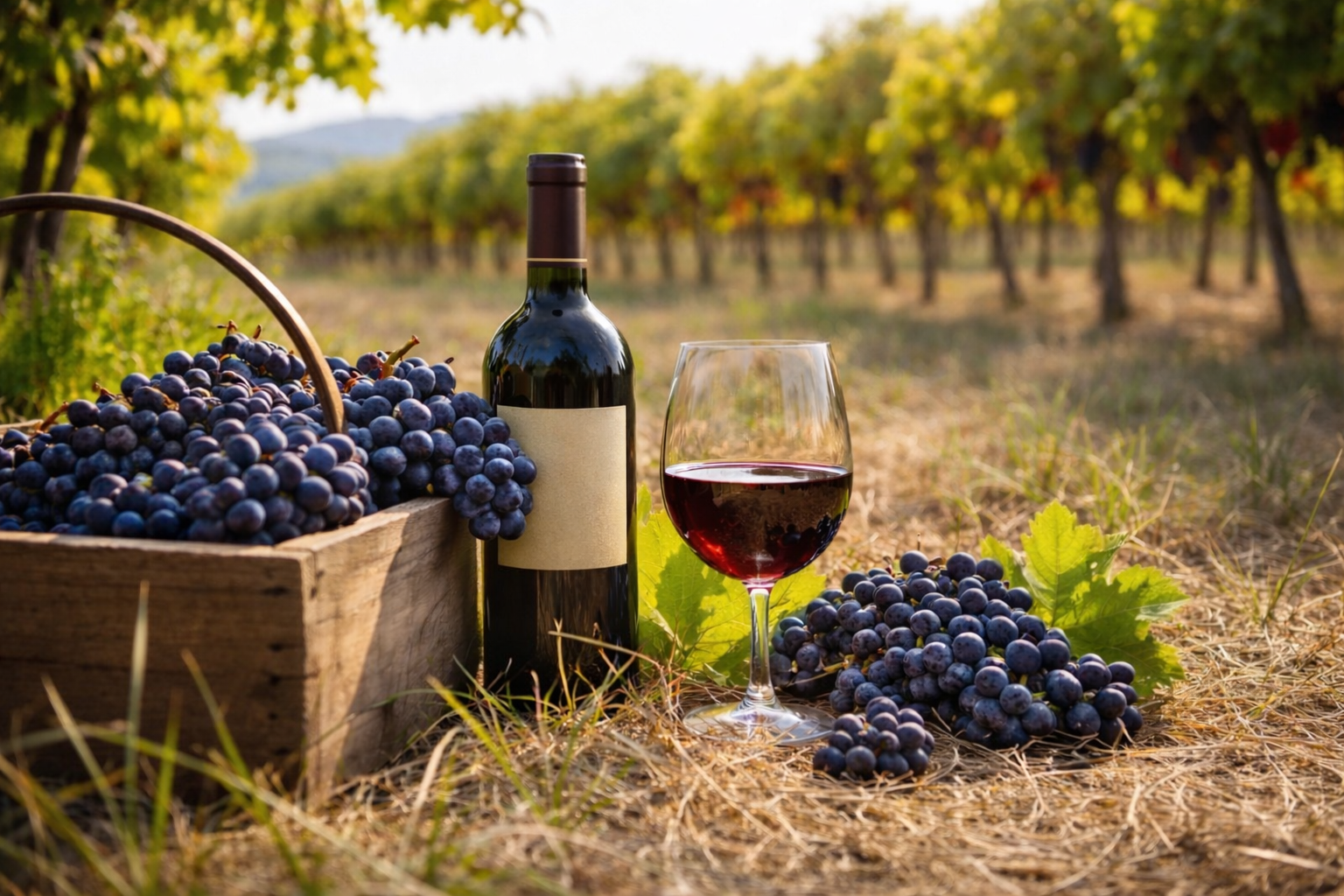
Nemea, located in northeastern Peloponnese near Corinth, is one of Greece’s most renowned wine regions and a destination where ancient history and rich terroir come together. Known for its world-class Agiorgitiko wines, fertile vineyards, and mythological significance, Nemea offers a refined blend of gastronomy, culture, and countryside beauty. It is an ideal destination for wine lovers, cultural travelers, and those seeking authentic experiences in the Greek landscape.
Geography and Landscape
Nemea lies in a fertile valley surrounded by gentle hills and mountains, creating ideal conditions for viticulture. The region is covered with endless vineyards, olive groves, and rural landscapes that change beautifully with the seasons. Its mild climate and varied altitudes contribute to the exceptional quality of its wines, while scenic roads connect wineries, villages, and archaeological sites, offering a relaxed and immersive travel experience.
History & Heritage
Nemea holds a significant place in Greek mythology and history. It is associated with the legendary Nemean Lion, defeated by Hercules as one of his Twelve Labors. In antiquity, Nemea was also home to the Nemean Games, one of the four major Panhellenic athletic festivals. The archaeological site, including the Temple of Zeus and the ancient stadium, reflects its importance as a religious and cultural center. Over centuries, the region maintained its agricultural identity, with winemaking traditions passed down through generations.
Key Attractions
Visitors to Nemea can explore a combination of cultural landmarks and wine experiences:
- Ancient Nemea Archaeological Site: Featuring the Temple of Zeus, the ancient stadium, and museum.
- Nemea Stadium: Where the ancient games were held, still accessible for visitors today.
- Local Wineries: Award-winning estates offering tours, tastings, and vineyard experiences.
- Vineyard Landscapes: Scenic countryside ideal for relaxed exploration and photography.
Activities and Experiences
Nemea is a destination centered around wine, culture, and slow travel:
- Wine tastings and cellar tours in boutique and renowned wineries.
- Vineyard walks and immersive wine experiences with local producers.
- Exploring ancient ruins and connecting mythology with the landscape.
- Enjoying farm-to-table gastronomy paired with local wines.
- Cycling or driving through scenic vineyard routes.
Climate and Best Time to Visit
Nemea enjoys a Mediterranean climate with warm summers and mild winters.
- Spring and Autumn: Ideal for vineyard visits, wine tastings, and cultural exploration.
- Summer: Warm and vibrant, perfect for combining wine experiences with nearby coastal escapes.
- Winter: Quiet and atmospheric, suitable for more intimate winery visits.
Nemea is more than a wine destination—it is a place where mythology, history, and terroir intertwine. From the ancient stadium and Temple of Zeus to its celebrated vineyards and refined wines, the region offers a rich and authentic experience. Whether discovering its legendary past or savoring a glass of Agiorgitiko among the vines, Nemea invites travelers to experience the true essence of the Peloponnese.
Ancient Olympia: The Birthplace of the Olympic Games
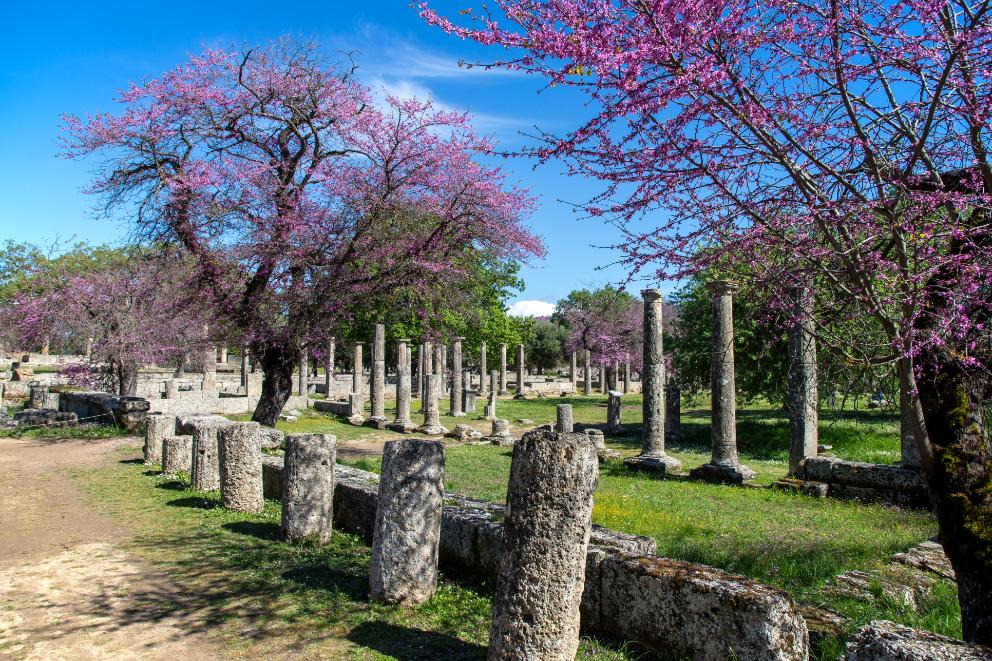
Ancient Olympia, located in the western Peloponnese, is one of Greece’s most important archaeological sites and the birthplace of the Olympic Games. Nestled in the Alfeios River valley, surrounded by olive groves and gentle hills, Olympia combines historical significance with a serene natural setting. Its well-preserved ruins, coupled with its cultural legacy, make it a must-visit destination for history enthusiasts and travelers interested in ancient Greek civilization.
Geography and Landscape
Situated in the region of Elis, Olympia lies in a fertile valley near the Alfeios River. The surrounding plains and low hills provide a peaceful and scenic backdrop, allowing visitors to explore the archaeological site at a leisurely pace. The area’s Mediterranean climate, with hot summers and mild winters, ensures a pleasant visit throughout most of the year.
History & Heritage
Olympia’s history dates back to the 8th century BC, when it became the sacred site of the Olympic Games held every four years in honor of Zeus. The sanctuary was a religious, cultural, and athletic center, attracting competitors and spectators from across the Greek world. Temples, treasuries, and sports facilities were constructed over centuries, reflecting the importance of Olympia in classical antiquity. Today, it is recognized as a UNESCO World Heritage Site and continues to symbolize the values of sportsmanship and human achievement.
Attractions
Visitors to Ancient Olympia can explore a wealth of historical treasures:
- Temple of Zeus: Once home to the colossal statue of Zeus, one of the Seven Wonders of the Ancient World.
- Temple of Hera: One of the oldest temples in Greece, dedicated to the goddess Hera.
- Ancient Stadium: The site of athletic competitions, where visitors can walk the track and imagine the athletes of antiquity.
- Archaeological Museum of Olympia: Housing artifacts such as statues, sculptures, and tools that reveal the grandeur of the ancient sanctuary.
- Palaestra and Gymnasium: Places where athletes trained, offering insight into the organization of sports in classical Greece.
Activities and Experiences
Exploring Olympia allows visitors to combine history with leisure. Walking among the ruins, climbing to elevated viewpoints, or visiting the museum provides a complete understanding of the ancient site. Nearby villages offer traditional tavernas, olive groves, and local crafts, while day trips to the beaches of the western Peloponnese or the scenic Alfeios River valley complement the cultural experience.
Climate and Best Time to Visit
Olympia enjoys a Mediterranean climate with warm summers and mild winters. The best time to visit is spring and autumn, when the weather is comfortable, the landscape is green, and crowds are smaller. Summer offers sunny days, but temperatures can be high, making early morning or late afternoon visits preferable.
Ancient Olympia is more than an archaeological site—it is a symbol of ancient Greek culture, athleticism, and spirituality. Its temples, stadium, and museum tell stories of human achievement, competition, and devotion to the gods. Whether exploring the ruins or strolling through the olive groves, visitors are transported back to a time when Olympia stood as the heart of the Greek world.
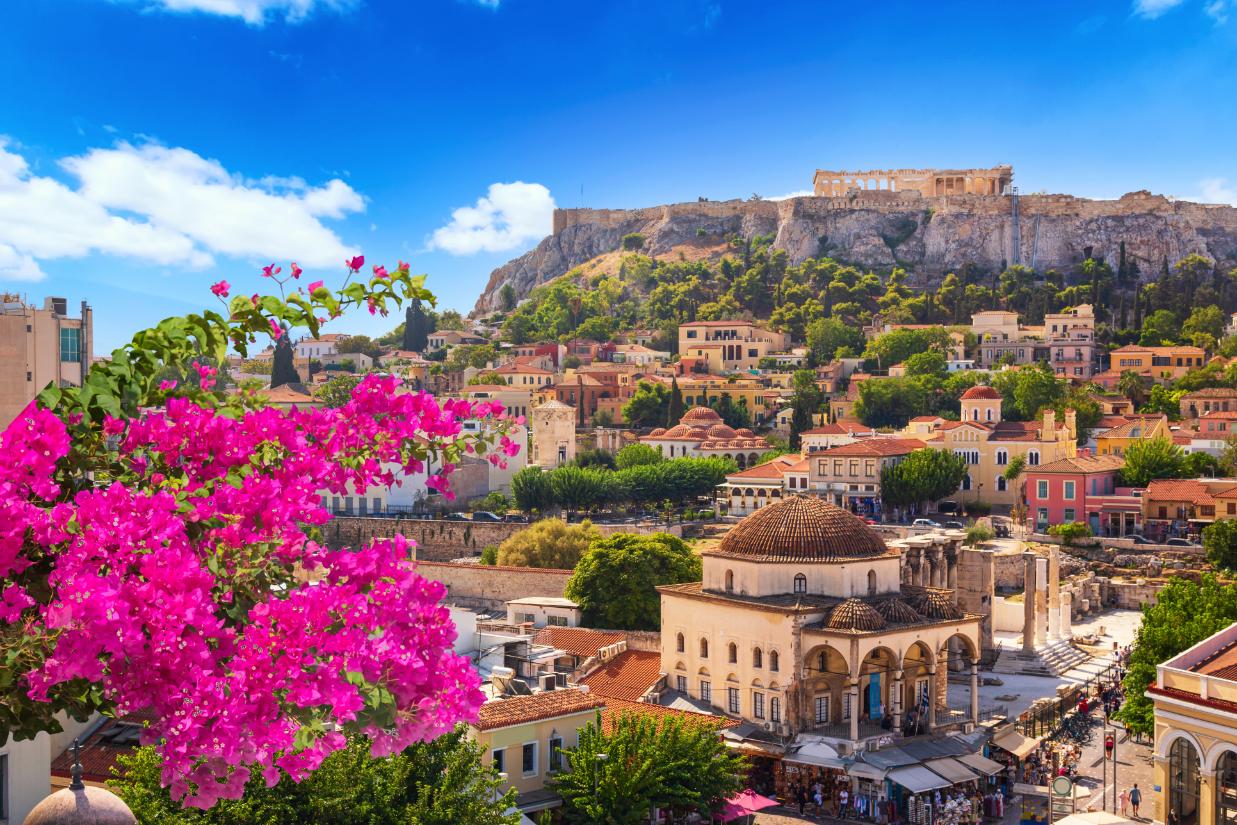
Athens: The Timeless Capital of Greece
Athens, the capital of Greece and one of the world’s oldest cities, is a vibrant metropolis where ancient history meets modern life. Known as the cradle of Western civilization and democracy, Athens offers a unique combination of archaeological treasures, cultural landmarks, lively neighborhoods, and contemporary urban experiences. From iconic monuments to bustling markets and rooftop cafés with spectacular views, Athens captures the imagination of travelers from around the world.
Geography and Landscape
Athens is located in the Attica region, surrounded by mountains on three sides and the Saronic Gulf to the southwest. The city stretches across a vast plain, with green hills and rocky outcrops interspersed throughout the urban landscape. The iconic Acropolis, perched on a limestone hill at the city’s heart, dominates the skyline and provides panoramic views of Athens and the surrounding mountains.
History & Heritage
Athens has a recorded history spanning more than 3,400 years, making it one of the world’s oldest continuously inhabited cities. It flourished during the classical period in the 5th century BC, when democracy, philosophy, theater, and art reached unprecedented heights. The Acropolis and the Parthenon symbolize this golden age, while the Ancient Agora reflects the city’s role as a center of political and social life. Later, Athens experienced Roman, Byzantine, Ottoman, and modern influences, each leaving its mark on the city’s architecture, culture, and urban planning.
Economy
Today, Athens is Greece’s economic, financial, and political hub. Tourism, shipping, commerce, education, and services dominate the local economy. The city is a magnet for travelers seeking cultural enrichment, urban experiences, and easy access to nearby islands, including the Saronic Gulf and Cyclades. The combination of historical attractions and modern infrastructure makes Athens both a cultural capital and a cosmopolitan city.
Tourism in Athens
Athens is a destination for history lovers, art enthusiasts, and modern urban explorers.
Main Attractions
- Acropolis and Parthenon: The crown jewels of ancient Greece, offering stunning views of the city.
- Ancient Agora: The heart of political, commercial, and social life in classical Athens.
- Plaka: A charming neighborhood of cobbled streets, neoclassical houses, shops, and cafés, located at the foot of the Acropolis.
- Syntagma Square and the Hellenic Parliament: The city’s political and ceremonial center, featuring the changing of the guard.
- National Archaeological Museum: Housing one of the most important collections of Greek artifacts in the world.
- Mount Lycabettus: A hill offering panoramic views and a popular spot for sunsets.
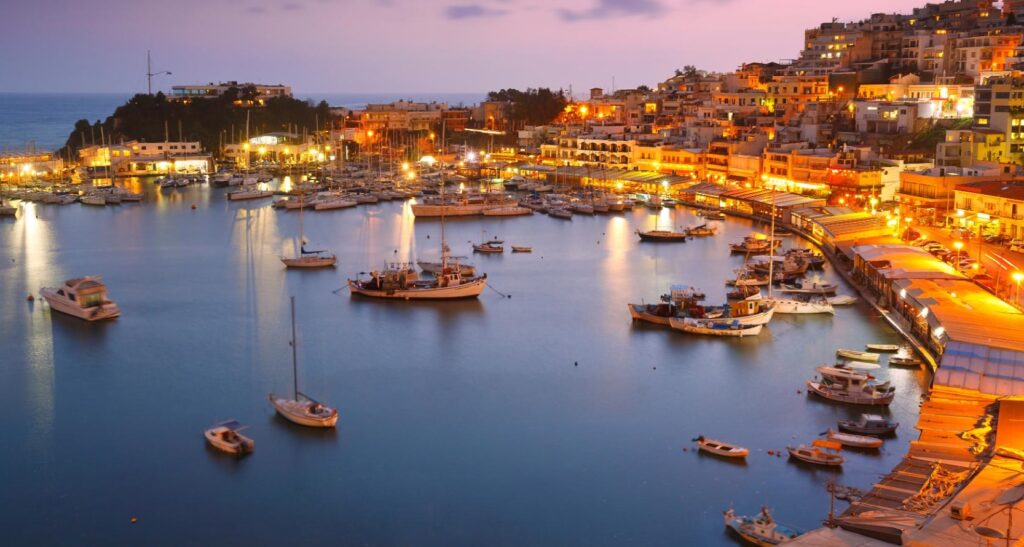
- Athens Riviera: Along the sparkling Saronic sea and just minutes from the city center, the Athens Riviera offers golden beaches, marinas, and lively seaside promenades . This cosmopolitan coastline combines luxury resorts, fine dining, and vibrant nightlife with stunning views of the Aegean.
Activities
- Strolling through historic neighborhoods like Plaka, Monastiraki, and Psiri.
- Shopping in bustling markets and modern shopping streets.
- Experiencing Athenian nightlife with rooftop bars, restaurants, and music venues.
- Day trips to nearby islands like Hydra, Aegina, and Poros.
- Attending cultural events, festivals, and theatrical performances in ancient theaters.
Climaate and Best Time to Visit
Athens enjoys a Mediterranean climate with hot, dry summers and mild winters.
- Spring and Autumn (April–June, September–October): Ideal for sightseeing and outdoor activities, with comfortable temperatures and fewer crowds.
- Summer (July–August): Hot and lively, perfect for rooftop dining and nearby island excursions.
- Winter (December–February): Mild but quieter, suitable for museum visits and exploring historic sites.
Athens is a city where past and present coexist seamlessly. From the grandeur of the Acropolis and the bustling streets of Plaka to modern art galleries, trendy cafés, and vibrant nightlife, the city offers an unforgettable mix of history, culture, and contemporary energy. Whether exploring ancient ruins, enjoying panoramic views, or savoring Greek cuisine, Athens captures the spirit of a civilization that continues to inspire the world.
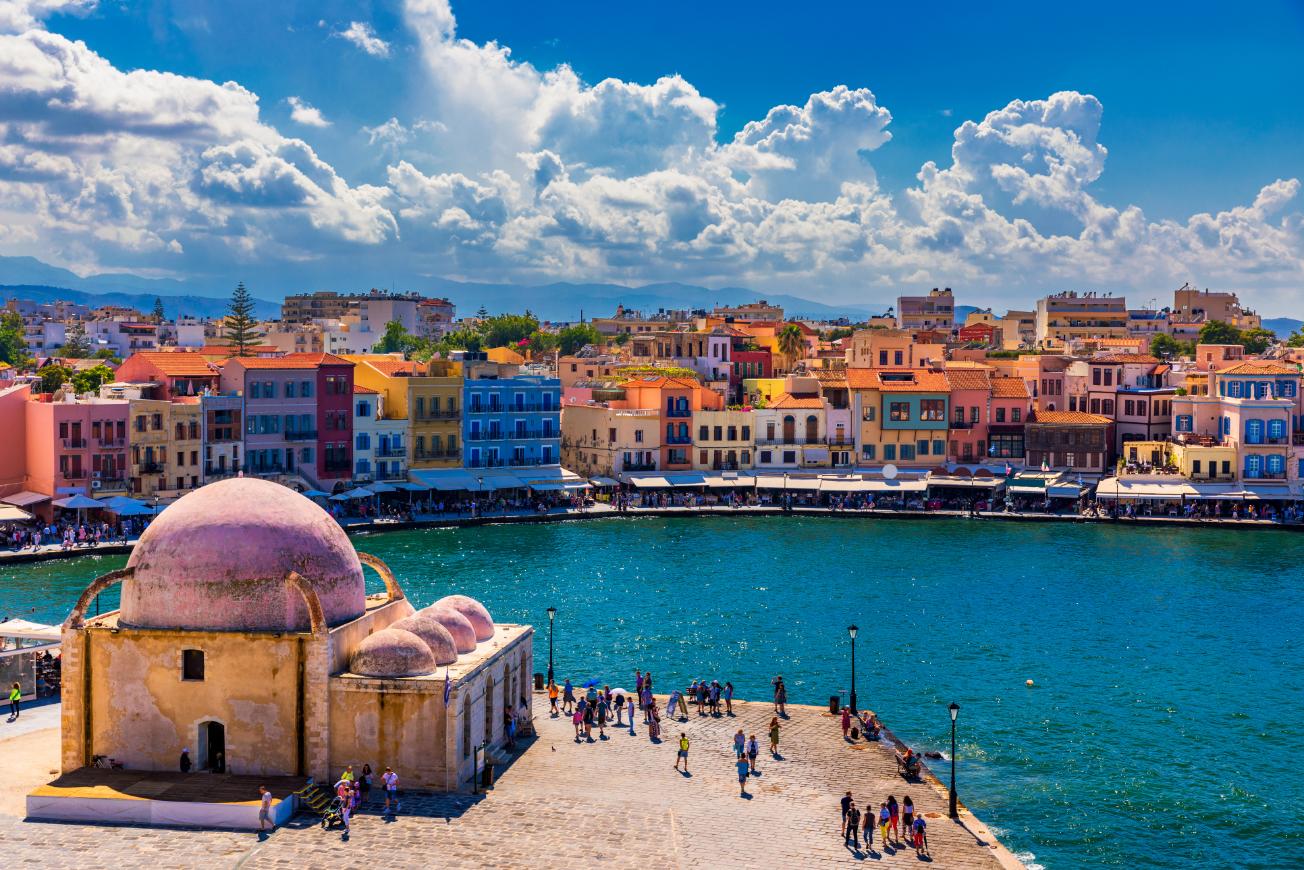
Chania: The Jewel of Western Crete
Chania, located on the northwest coast of Crete, is one of Greece’s most enchanting cities. Known for its Venetian harbor, cobblestone streets, and colorful architecture, Chania combines history, culture, and natural beauty. With a backdrop of the White Mountains and access to some of Crete’s most beautiful beaches, the city offers a perfect blend of urban charm, scenic landscapes, and island hospitality, making it a must-visit destination on Crete.
Geography & Landscape
Chania lies on Crete’s northwest coast, bordered by the Aegean Sea to the north and the rugged White Mountains to the south. The city is built around a picturesque old town and harbor, with narrow alleys, neoclassical buildings, and Ottoman-era architecture. The surrounding region features dramatic gorges, lush valleys, and pristine beaches, including the famous Balos Lagoon and Elafonisi, offering opportunities for hiking, swimming, and relaxation.
History & Heritage
Chania has a rich and layered history, influenced by Minoan, Venetian, Byzantine, and Ottoman civilizations. Its Venetian harbor and fortifications reflect centuries of maritime significance, while Ottoman-era mosques and fountains add to the city’s eclectic character. During World War II, Chania was occupied by German forces, leaving further marks on its cultural memory. The city’s vibrant architecture and museums preserve these diverse historical influences, offering a journey through time.
Key Attractions
Visitors to Chania can explore a wealth of cultural and historical sites:
- Venetian Harbor: A picturesque waterfront with colorful buildings, cafés, and the iconic lighthouse.
- Old Town: Narrow streets lined with shops, restaurants, and historical landmarks, including Byzantine churches and Ottoman fountains.
- Archaeological Museum of Chania: Exhibiting artifacts from the Minoan, Roman, and Byzantine periods.
- Firka Fortress: Overlooking the harbor, offering panoramic views and historical insights.
- Samaria Gorge: One of Europe’s longest gorges, located nearby, ideal for hiking and nature exploration.
Activities and Experiences
Chania is perfect for both cultural exploration and outdoor activities. Visitors can stroll through the old town, enjoy waterfront dining, shop for local crafts, and sample Cretan cuisine, including cheeses, olives, and seafood. Hiking, sailing, and beach visits are popular, as are wine and olive oil tastings in the surrounding countryside. Festivals and cultural events throughout the year add to the city’s vibrant atmosphere.
Climate and Best Time to Visit
Chania enjoys a Mediterranean climate with hot, dry summers and mild winters.
- Summer (June–September): Ideal for beaches, sailing, and outdoor dining.
- Spring and Autumn: Comfortable temperatures, perfect for sightseeing and hiking.
- Winter: Mild and quiet, offering a more authentic local experience.
Chania is a city where history, culture, and natural beauty intertwine. From the romantic Venetian harbor and labyrinthine old town to the stunning beaches and nearby gorges, Chania offers an unforgettable Cretan experience. Whether exploring its streets, sampling local cuisine, or venturing into the surrounding mountains, visitors are enchanted by the city’s charm, beauty, and welcoming atmosphere.
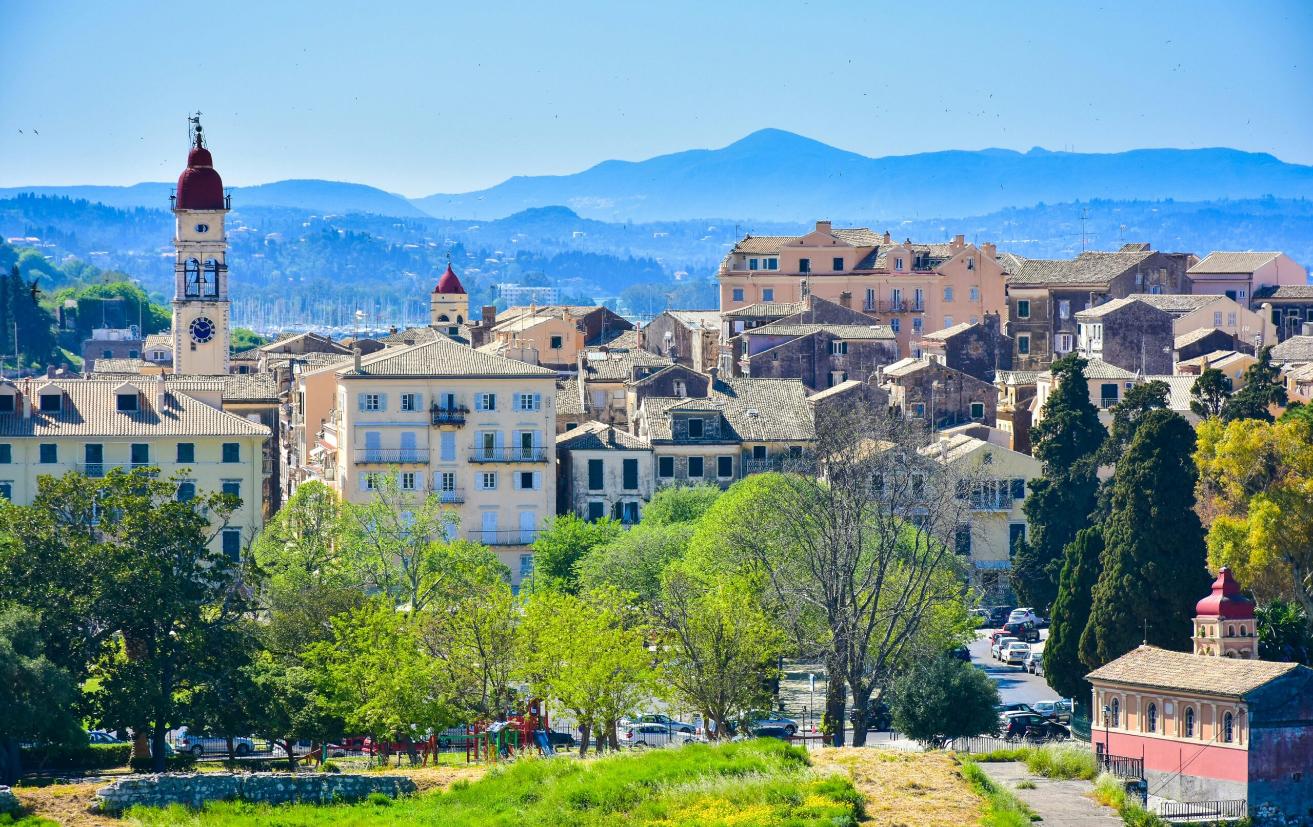
Corfu: The Emerald Isle of the Ionian
Corfu, or Kerkyra in Greek, is one of the most enchanting islands of the Ionian Sea, celebrated for its lush greenery, Venetian architecture, and multicultural heritage. Often called the “Emerald Isle” thanks to its olive groves, cypress trees, and flower-filled landscapes, Corfu combines natural beauty with a rich historical past and cosmopolitan charm.
Geography and Landscape
Located in northwestern Greece, just off the coast of Epirus and close to Albania, Corfu is the second-largest of the Ionian Islands. Its coastline stretches over 200 kilometers, with a mix of sandy beaches, dramatic cliffs, and secluded coves. The island is blessed with fertile valleys, rolling hills, and two majestic fortresses that frame its capital. The town of Corfu (Kerkyra) is a UNESCO World Heritage Site, offering a blend of Venetian, French, and British influences.
History & Heritage
Corfu’s history is shaped by centuries of foreign rule, which left behind a rich cultural mosaic. Unlike many other Greek islands, Corfu never fell under Ottoman domination. Instead, it was ruled by the Venetians for over 400 years, followed by brief periods under the French and British before joining Greece in 1864. This unique past is reflected in its architecture, traditions, and even cuisine. The island also has strong connections to Greek mythology, as it is said to be the place where Odysseus was shipwrecked before returning to Ithaca.
Economy
Tourism is the cornerstone of Corfu’s economy, attracting visitors from across Europe and beyond. Agriculture also plays an important role, with olive oil being the island’s most famous product—Corfu has an estimated 4 million olive trees. Wine, kumquat liqueur, and citrus fruits are other notable local products.
Tourism in Corfu
Corfu is a destination that blends history, culture, and relaxation, appealing to both families and luxury travelers.
Main Attractions
- Corfu Town (Kerkyra): A UNESCO World Heritage Site, the capital is a captivating mix of Venetian fortresses, neoclassical mansions, narrow kantounia (lanes), and lively squares. Key sites include the Old Fortress, the New Fortress, the Liston promenade, and Spianada Square, one of the largest in Europe.
- Achilleion Palace: Built by Empress Elisabeth of Austria (Sisi) in the 19th century, this neoclassical mansion offers stunning gardens and views of the island.
- Paleokastritsa Monastery: Overlooking turquoise bays, this monastery is one of Corfu’s most iconic sites.
- Kanoni & Mouse Island (Pontikonisi): A postcard-perfect view of Corfu, with a small chapel on Mouse Island and the Vlacherna Monastery nearby.
Beaches
Corfu boasts some of the most beautiful beaches in Greece:
- Paleokastritsa: A series of bays with emerald waters, ideal for swimming and boat trips.
- Glyfada: A lively sandy beach with bars and water sports.
- Agios Gordios: Surrounded by green hills and dramatic cliffs.
- Sidari & Canal d’Amour: Known for unique sandstone formations and legends of eternal love.
Activities
- Exploring traditional mountain villages like Lakones and Pelekas.
- Walking through olive groves and nature trails.
- Sailing and yachting along the Ionian Sea.
- Tasting local specialties such as pastitsada (spiced pasta with meat), sofrito (beef in garlic sauce), and kumquat sweets.
- Attending Easter celebrations, among the most famous and colorful in Greece, featuring the unique custom of clay pot smashing.
Climate and Best Time to Visit
Corfu enjoys a mild Mediterranean climate with plenty of sunshine.
- Summer (June–September): Hot and lively, perfect for beach holidays and nightlife.
- Spring (April–May): Blooming landscapes and ideal temperatures for sightseeing.
- Autumn (October): Warm seas and a quieter atmosphere, great for relaxation.
- Winter (November–March): Mild but rainy, offering a more authentic, non-touristy experience.
Corfu is a jewel of the Ionian, where history and culture meet stunning natural landscapes. From the cosmopolitan charm of Corfu Town and the romantic bays of Paleokastritsa to the festive Easter traditions and culinary delights, the island offers something for every traveler. Whether seeking relaxation, history, or adventure, Corfu enchants with its timeless beauty and hospitality.
Corinth: Where Ancient Heritage Meets Coastal Beauty
Corinth, located at the gateway between mainland Greece and the Peloponnese, is a destination rich in history, archaeology, and natural charm. Once one of the most powerful and cosmopolitan cities of ancient Greece, Corinth blends its legendary past with the scenic coastline of the Corinthian Gulf and a relaxed modern atmosphere. Its impressive archaeological sites, spiritual significance, and coastal setting make it a captivating stop for travelers seeking both cultural depth and scenic exploration.
Geography and Landscape
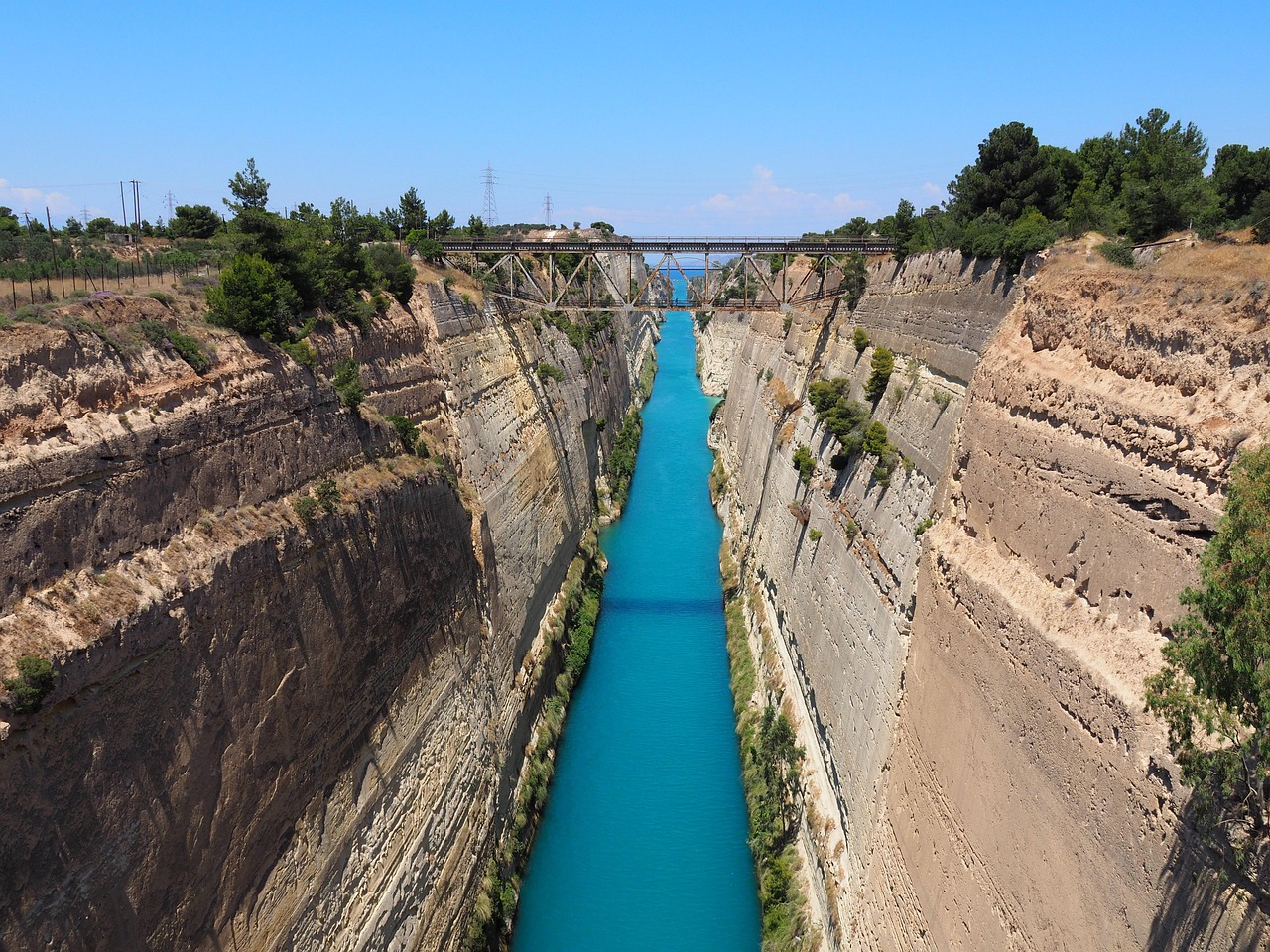
Set between the Saronic and Corinthian Gulfs, Corinth occupies a striking location surrounded by fertile plains, rolling hills, and dramatic geological formations. The most famous natural landmark is the Corinth Canal, a narrow sea passage cut through towering limestone cliffs, connecting the two seas. The landscapes around Ancient Corinth offer views of the imposing Acrocorinth, a fortified hilltop rising high above the ruins and offering expansive panoramas of the region.
History & Heritage
Corinth’s history stretches back thousands of years, flourishing as a major commercial, maritime, and cultural hub of the ancient Greek world. Renowned for its wealth and artistic achievements, it was home to temples, marketplaces, and a vibrant population. The city played a significant role in early Christianity, as St. Paul lived and preached here, establishing one of the first Christian communities. Roman reconstruction in the 1st century AD left Corinth with impressive public buildings, many of which survive today as evocative archaeological remains.
Attractions
Corinth offers visitors a wealth of historical and cultural landmarks:
- Ancient Corinth Archaeological Site: Featuring the Temple of Apollo, the Roman forum, fountains, and marketplaces.
- Bema of St. Paul: The platform where St. Paul addressed the Corinthians.
- Acrocorinth: A vast hilltop fortress with breathtaking views stretching to the sea.
- Corinth Canal: A stunning engineering marvel carved through rock, offering dramatic vistas.
- Archaeological Museum of Ancient Corinth: Housing statues, mosaics, pottery, and findings from the ancient city.
Activities and Experiences
Corinth invites travelers to combine history with leisurely exploration. Wander the archaeological ruins, admire the sweeping views from Acrocorinth, or enjoy a serene walk along the gulf’s seaside promenades. Nearby villages and coastal towns offer tavernas, local crafts, and scenic harbors. The region is also an excellent base for day trips to destinations such as Epidaurus, Mycenae, and Nafplio. Outdoor enthusiasts can enjoy hiking, coastal walks, and photography—especially around the canal and Acrocorinth.
Climate and Best Time to Visit
Corinth enjoys a Mediterranean climate with hot, dry summers and mild winters. The best times to visit are spring and autumn, when temperatures are comfortable and the surrounding landscape is vibrant. Summer is ideal for enjoying the coast and outdoor sites, though visits to archaeological areas are more pleasant in the morning or late afternoon.
Corinth is a fascinating blend of ancient grandeur, spiritual heritage, and coastal beauty. With its remarkable ruins, iconic canal, hilltop fortress, and strong connection to early Christianity, it offers an unforgettable experience for travelers seeking culture, history, and scenic charm at the crossroads of Greece.
Crete: The Island of Legends and Diversity
Crete, the largest island in Greece and the fifth largest in the Mediterranean, is a land of striking contrasts where mountains meet the sea, ancient ruins blend with vibrant towns, and traditions coexist with modern hospitality. Known as the birthplace of Zeus and the cradle of Europe’s first advanced civilization, the Minoans, Crete offers a unique blend of history, culture, and natural beauty that makes it one of the most captivating destinations in the world.
Geography and Landscape
Stretching 260 kilometers from east to west, Crete is characterized by high mountain ranges such as the White Mountains, Mount Ida, and the Dikti range, fertile plateaus, dramatic gorges, and over 1,000 kilometers of coastline. Its varied geography allows visitors to experience sandy beaches, hidden coves, lush valleys, and rugged landscapes within a single journey.
History & Heritage
Crete is synonymous with the Minoan civilization, which flourished around 2000–1400 BCE and is considered the earliest advanced civilization in Europe. The Palace of Knossos near Heraklion stands as the most important archaeological site of this era, linked with the myths of the Minotaur and the Labyrinth. After the Minoans, Crete came under Roman, Byzantine, Venetian, and Ottoman rule, each leaving behind fortresses, churches, and cultural influences. Today, the island preserves its traditions while embracing its role as a leading global tourist destination.
Economy
Agriculture and tourism are the backbone of Crete’s economy. The island is renowned for its olive oil, wine, cheese, and unique culinary products, many of which form the basis of the world-famous Cretan diet. Tourism thrives thanks to Crete’s blend of history, beaches, mountains, and cultural life, drawing millions of visitors annually.
Tourism in Crete
Crete is divided into four prefectures, each with its own distinct character and highlights:
Chania
Chania, on the western side of the island, is often regarded as one of the most beautiful cities in Greece. Its Venetian harbor, lighthouse, and Old Town charm visitors with a mix of architecture, colors, and history. The region also boasts natural wonders such as the Samaria Gorge, the pink-sand beach of Elafonisi, and the turquoise waters of Balos Lagoon, making Chania a paradise for nature and culture lovers.
Rethymno
Rethymno combines history with a relaxed atmosphere. Its Old Town is a maze of cobbled streets, Venetian mansions, and Ottoman-era mosques. The Fortezza fortress dominates the skyline, offering panoramic views of the city. Beyond the town, the region is filled with monasteries, mountain villages, and long sandy beaches. Rethymno is also known for its lively cultural scene, including festivals and traditional music.
Heraklion
Heraklion, the capital of Crete, is the island’s largest city and a vibrant hub of history and modern life. The city is home to the famous Palace of Knossos and the Archaeological Museum of Heraklion, which houses priceless Minoan artifacts. Alongside its archaeological treasures, Heraklion offers bustling markets, lively squares, and a thriving nightlife. The prefecture also features important wine-producing regions and family-friendly resorts.
Agios Nikolaos (Lassithi Prefecture)
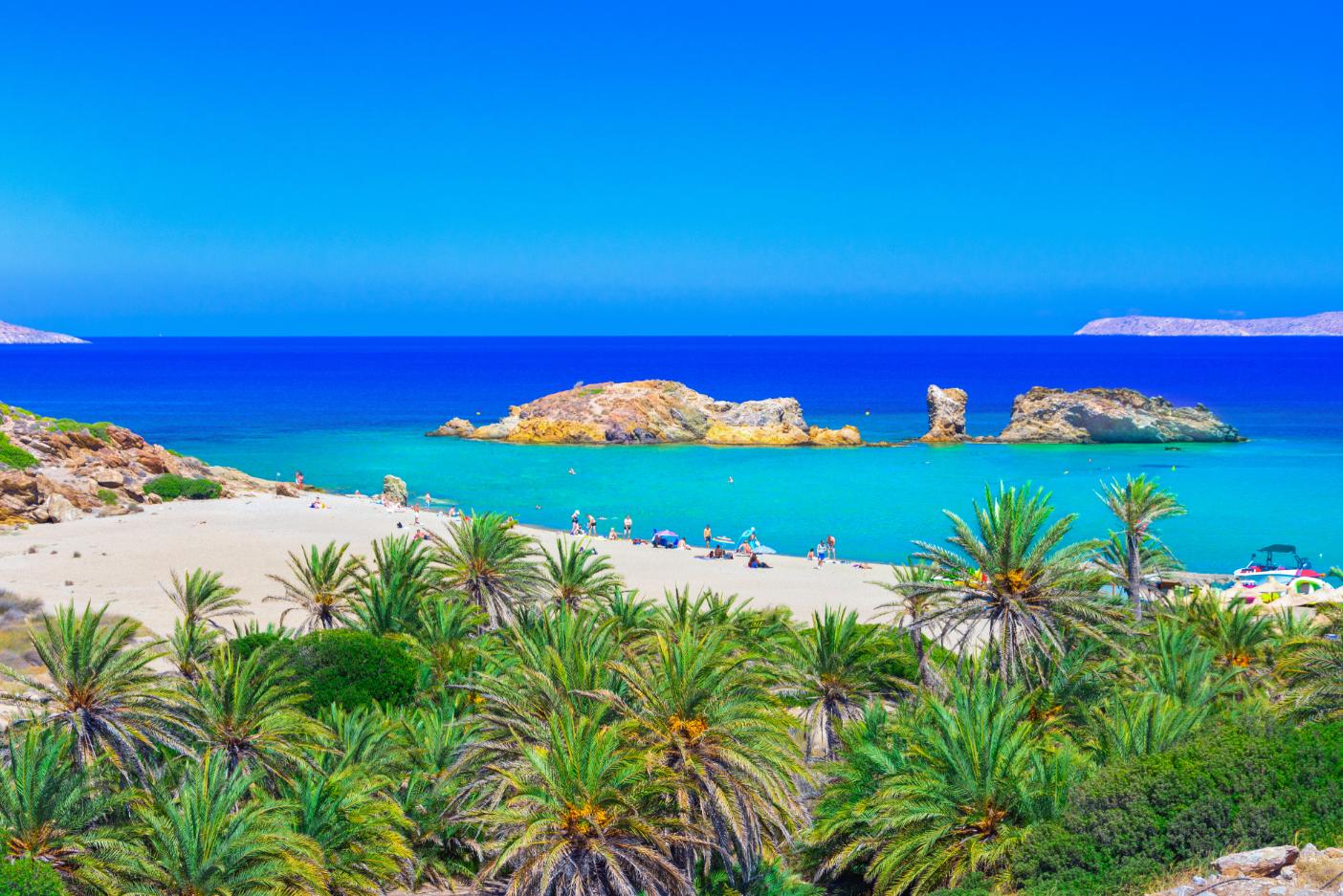
Located in eastern Crete, Agios Nikolaos and the wider Lasithi region are known for their scenic beauty and relaxed elegance. The town itself is famous for Lake Voulismeni, a picturesque lagoon surrounded by cafés and restaurants. The Lasithi Plateau, with its traditional windmills, and the palm forest of Vai, one of the largest in Europe, highlight the prefecture’s natural diversity. Elounda, just a short drive from Agios Nikolaos, has developed into one of Greece’s most luxurious resort areas.
Activities and Experiences
Crete offers countless experiences:
- Hiking through gorges such as Samaria.
- Swimming at world-famous beaches like Balos, Elafonisi, and Vai.
- Cruising to little islands like Spinalonga, Chrissi and Gramvousa.
- Exploring archaeological sites, monasteries, and Venetian fortresses.
- Sampling the Cretan diet in local tavernas and wine estates.
- Experiencing traditional hospitality in mountain villages.
Climate and Best Time to Visit
Crete enjoys a Mediterranean climate with hot, dry summers and mild winters.
- Summer (June–September): Ideal for beach holidays and vibrant nightlife.
- Spring and Autumn (April–May, October): Perfect for hiking, sightseeing, and enjoying mild weather without the crowds.
- Winter (November–March): Quieter, with fewer tourists, but suitable for cultural exploration and mountain activities.
Crete is not just an island but a world in itself. From the Venetian charm of Chania and the cultural richness of Rethymno to the archaeological treasures of Heraklion and the natural beauty of Agios Nikolaos, every corner tells a different story. Whether seeking history, nature, gastronomy, or simply the warmth of Cretan hospitality, visitors will find in Crete an experience that lingers long after they leave.
Delphi: The Navel of the Ancient World
Delphi, perched on the slopes of Mount Parnassus in central Greece, was considered the spiritual center of the ancient world. Revered as the “navel of the earth” by the ancient Greeks, Delphi was the site of the famous Oracle of Apollo, attracting pilgrims from all over the Greek world to seek guidance and wisdom. Today, Delphi combines awe-inspiring landscapes with archaeological treasures, making it one of Greece’s most iconic cultural destinations.
Geography and Landscape
Delphi is located at an altitude of about 600 meters, overlooking the Pleistos River valley. Its dramatic mountainous setting offers breathtaking views of steep slopes, forests, and the valley below. The combination of natural beauty and historical significance creates a serene yet powerful atmosphere for visitors. The surrounding mountains also offer hiking opportunities, making Delphi ideal for both cultural and nature tourism.
History & Heritage
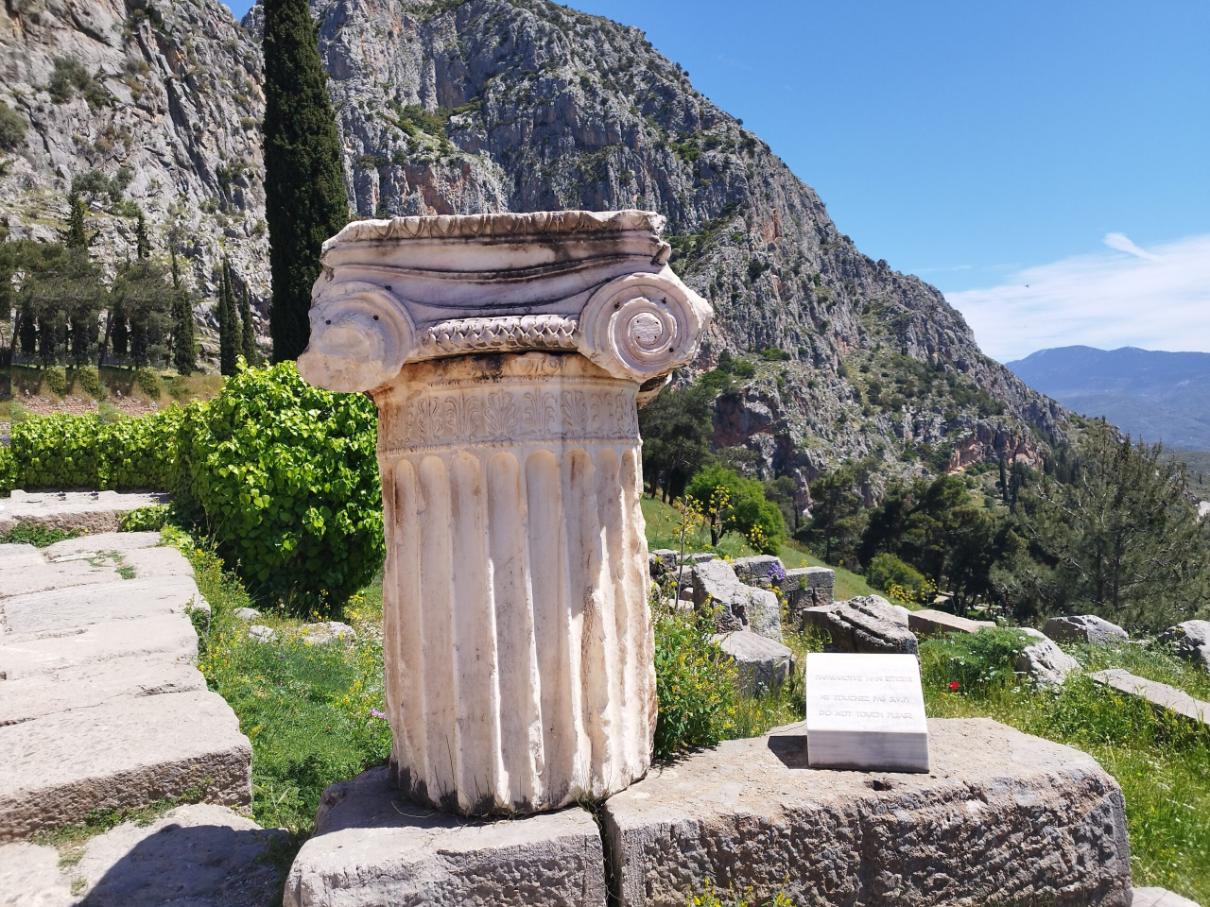
Delphi’s origins date back to the 8th century BC, when it became the sanctuary of Apollo. The site quickly grew into a major religious, cultural, and political center. The Pythia, or Oracle of Delphi, delivered prophetic messages to kings and city-states, shaping Greek history. Delphi also hosted the Pythian Games, a precursor to the Olympic Games, celebrating athletic and artistic achievement. The ruins of temples, treasuries, and theaters testify to the site’s central role in the ancient Greek world.
Attractions
Visitors to Delphi can explore a wealth of historical and cultural treasures:
- Temple of Apollo: The heart of Delphi, where the famous Oracle prophesied.
- Theatre of Delphi: Offering views of the valley and Mount Parnassus, it hosted dramatic performances during the Pythian Games.
- Stadium: The site of athletic competitions in antiquity.
- Treasury of the Athenians: A small but exquisitely preserved building housing votive offerings.
- Archaeological Museum of Delphi: Exhibiting statues, friezes, and artifacts, including the Charioteer of Delphi and other masterpieces of classical art.
Activities and Experiences
Delphi is perfect for exploring history while enjoying stunning nature. Visitors can walk along the Sacred Way, climb to the stadium or theatre, and immerse themselves in mythology. Nearby villages offer traditional cuisine, local wines, and artisan shops. Hiking on Mount Parnassus provides a complementary adventure, allowing travelers to combine culture and outdoor experiences.
Climate and Best Time to Visit
Delphi has a temperate Mediterranean climate with mountainous influences.
- Spring and Autumn: Ideal for sightseeing and hiking, with mild temperatures and fewer crowds.
- Summer: Warm and sunny, though popular with tourists.
- Winter: Cooler, with occasional snow, offering a tranquil and atmospheric experience.
Delphi is more than an archaeological site; it is a place where history, mythology, and nature converge. From the Oracle of Apollo and the Pythian Games to panoramic mountain views, Delphi captivates visitors with its spiritual and cultural significance. Exploring its temples, museum, and surroundings offers an unforgettable journey into the heart of ancient Greece.
Heraklion: The Historic and Cultural Capital of Crete
Heraklion, located on the northern coast of Crete, is the island’s largest city and its administrative and cultural center. A vibrant urban hub, Heraklion combines modern city life with a rich historical and archaeological heritage. From its bustling streets and lively markets to the nearby Minoan palaces, the city offers a unique opportunity to explore Crete’s ancient past while enjoying contemporary Greek culture, cuisine, and entertainment.
Geography and Landscape
Heraklion stretches along the northern coast of Crete, overlooking the Cretan Sea. The city is a blend of urban neighborhoods, historic districts, and a lively waterfront. Surrounding the city, fertile plains, olive groves, and vineyards extend toward the foothills of Crete’s mountains. The city’s port serves as a gateway to the Aegean islands, mainland Greece, and international destinations.
History & Heritage
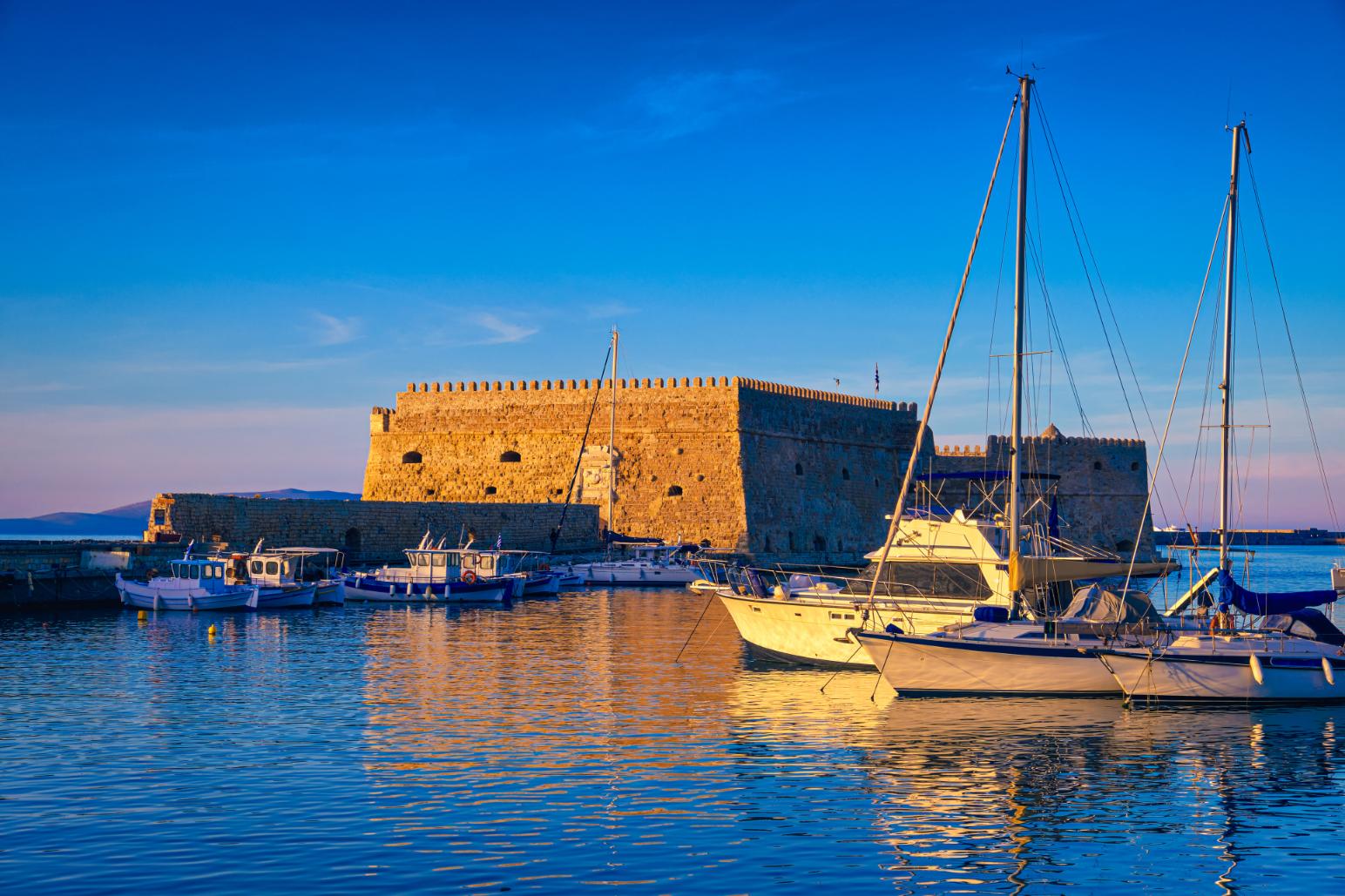
Heraklion has a history spanning several millennia. It was influenced by Minoan, Byzantine, Venetian, and Ottoman civilizations. The city grew around Koules Fortress, a Venetian stronghold guarding the harbor, and many of its streets and squares reflect Venetian urban planning. Nearby, the ancient palace of Knossos connects Heraklion to the legendary Minoan civilization, considered Europe’s earliest advanced society. Over centuries, the city has been a hub of trade, culture, and political significance.
Key Attractions
Heraklion is rich in historical and cultural landmarks:
- Knossos Palace: The legendary Minoan palace with labyrinthine corridors, frescoes, and archaeological treasures.
- Heraklion Archaeological Museum: Home to the world’s largest collection of Minoan artifacts, including pottery, sculptures, and frescoes.
- Koules Fortress: A Venetian fortress overlooking the port, offering stunning sea views.
- Morosini Fountain: A Venetian-era fountain in the city center, surrounded by cafés and shops.
- Historical Streets and Markets: Bustling areas where visitors can experience local life, crafts, and cuisine.
Activities and Experiences
Heraklion offers a balance of cultural exploration and urban experiences. Walking tours of the old town, visiting museums, and exploring nearby Minoan sites are popular activities. The city’s cafés, restaurants, and tavernas serve traditional Cretan dishes, while local markets provide fresh produce, cheeses, and honey. The harbor and nearby beaches offer opportunities for sailing, swimming, and relaxation, making Heraklion a dynamic base for discovering Crete.
Climate and Best Time to Visit
Heraklion enjoys a Mediterranean climate with hot summers and mild winters.
- Summer (June–September): Ideal for beaches, outdoor dining, and exploring the city and surrounding sites.
- Spring and Autumn: Perfect for sightseeing and visiting archaeological sites with pleasant weather.
- Winter: Quieter and milder, suitable for cultural tourism and exploring historic districts.
Heraklion is a city where ancient history meets modern life. From the legendary palace of Knossos and the treasures of the Archaeological Museum to Venetian fortresses, bustling streets, and vibrant local culture, the city offers a comprehensive Cretan experience. Heraklion provides visitors with an unforgettable journey through Crete’s past and present, combining education, adventure, and authentic Greek charm.
Macedonia: The Land of Alexander the Great
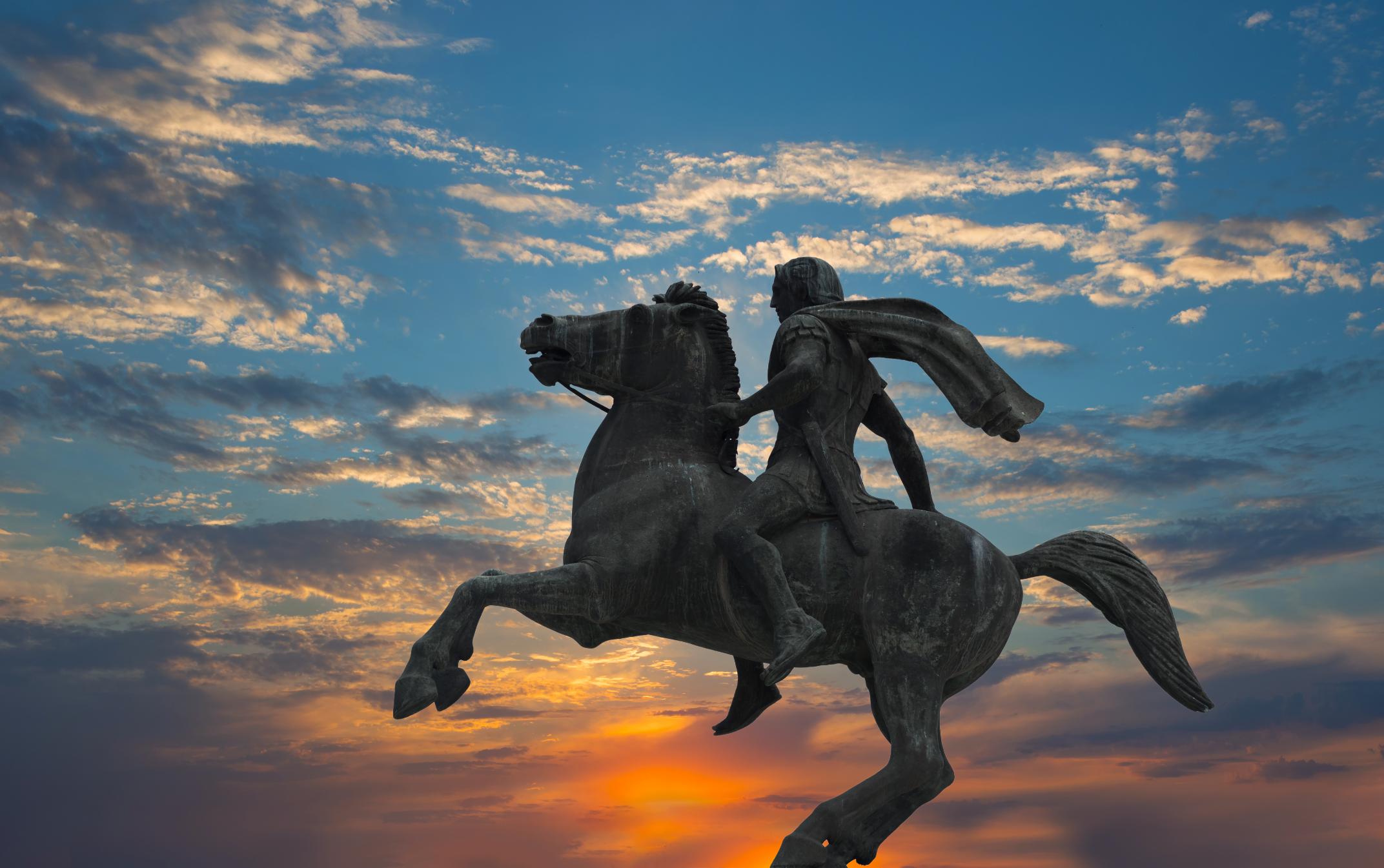
Macedonia, the historical and geographical region of northern Greece, is a land where ancient history and Christian heritage meet. Known as the birthplace of Alexander the Great and the starting point of St. Paul’s missionary journeys in Europe, Macedonia offers a unique cultural and spiritual experience. With vibrant cities, archaeological treasures, and strong religious traditions, this region is one of the most significant destinations for travelers seeking history, faith, and authenticity.
Geography and Landscape
Macedonia stretches across northern Greece, bordered by the Aegean Sea to the south and surrounded by mountains, fertile plains, and rivers. The region’s diverse landscapes range from coastal towns like Kavala to inland cultural hubs like Thessaloniki and historic sites nestled among green valleys, such as Veria and Vergina.
History & Heritage
Macedonia has played a pivotal role in shaping the history of Greece and Europe. It was here that Philip II of Macedon united the Greek city-states, paving the way for his son, Alexander the Great, to build one of the largest empires of the ancient world. Later, during the Roman and Byzantine eras, Macedonia remained a cultural and political center. In the 1st century AD, the Apostle St. Paul preached in Philippi, Thessaloniki, and Veria, laying the intial foundations of Christianity in Europe. This dual legacy—classical and Christian—makes Macedonia a region of profound importance.
Economy
Modern Macedonia thrives on agriculture, industry, and tourism. Its fertile plains produce tobacco, cotton, cereals, wine, and fruits like apples, cherries and peaches, while its ports, particularly Thessaloniki and Kavala, are vital trade hubs. Tourism grows steadily thanks to the region’s historical, cultural, and religious heritage, as well as its natural beauty.
Key Destinations
Thessaloniki
The capital of Macedonia and Greece’s second-largest city, Thessaloniki is a cosmopolitan metropolis rich in history. Roman monuments such as the Rotunda and Arch of Galerius, Byzantine churches like Agios Demetrios and Agia Sophia, and the medieval White Tower tell the story of the city’s long past. Thessaloniki is also closely linked to St. Paul, who preached here in 50 CE. Today, it remains a vibrant cultural capital known for its festivals, gastronomy, and youthful energy.
Kavala
A picturesque port city on the Aegean coast, Kavala has long been a gateway between East and West. Its old town, with Ottoman aqueducts and Byzantine fortifications, overlooks a bustling harbor. Kavala is also significant in Christian history as the landing point of St. Paul in Europe. From here, he traveled inland to Philippi, beginning the spread of Christianity on the continent.
Ancient Philippi
A UNESCO World Heritage Site, Philippi was founded by Philip II of Macedon and later became a thriving Roman colony. Its ruins include a theater, basilicas, and the forum. Most importantly, Philippi is where St. Paul baptized Lydia, the first European convert to Christianity, and established one of the earliest Christian communities in Europe. The site is a pilgrimage destination and hosts annual liturgies in memory of these events.
Veria
Known in antiquity as Berea, Veria is another city visited by St. Paul. He preached here in the synagogue, and the event is commemorated at the Altar of St. Paul, a modern monument and place of worship. Veria also boasts a charming old quarter with Byzantine churches, traditional houses, and a preserved Jewish quarter, reflecting its multicultural past.
Vergina (Aigai)
Perhaps the most significant archaeological site in Macedonia, Vergina, ancient Aigai, was the first capital of the Macedonian kingdom. It is the burial site of Philip II, father of Alexander the Great. The Royal Tombs, discovered in 1977, include extraordinary treasures such as golden crowns, weapons, and artifacts, now displayed in the underground museum at Vergina. The site is a UNESCO World Heritage Site and a must-see for anyone interested in
Halkidiki
Halkidiki, south of Thessaloniki, is famous for its three peninsulas—Kassandra, Sithonia, and Athos—offering golden beaches, turquoise waters, pine forests, and charming seaside villages. Kassandra is lively and cosmopolitan, Sithonia wilder and ideal for nature lovers, while Athos is known for its spiritual heritage. With luxury resorts, traditional tavernas, and rich history, Halkidiki combines relaxation and culture, making it one of northern Greece’s most popular summer destinations.
Agio Oros (Mount Athos)
Mount Athos, or Agio Oros, is a UNESCO World Heritage Site and one of Orthodox Christianity’s holiest places. Located on the third peninsula of Halkidiki, it is home to 20 monasteries and numerous hermitages. Accessible only to men with special permission, Athos has preserved centuries-old traditions, Byzantine treasures, and a deeply spiritual atmosphere. Its unique monastic community makes it a living museum of faith and ascetic life.
Prespes
The Prespes Lakes, on the borders of Greece, Albania, and North Macedonia, are a haven of natural beauty and biodiversity. Surrounded by mountains and traditional villages, the lakes host rare bird species such as pelicans and herons, making them ideal for eco-tourism. Byzantine and post-Byzantine chapels dot the area, adding cultural charm. Prespes offers tranquility, hiking, and authentic hospitality in one of Greece’s most unspoiled landscapes.
Kastoria
Nestled by a serene lake and surrounded by mountains, Kastoria is renowned for its Byzantine churches, Ottoman mansions, and traditional fur trade. Its picturesque lakeside setting is perfect for strolls, while the old quarters reveal centuries of cultural wealth. Kastoria is also known for its lively festivals and gastronomy, making it a city where history, architecture, and nature combine harmoniously in northern Greece.
Mount Olympus
Mount Olympus, Greece’s highest peak and legendary home of the ancient gods, rises majestically on the border of Macedonia and Thessaly. Today, it is a national park and UNESCO Biosphere Reserve, attracting hikers and climbers from around the world. Trails lead through forests, gorges, and alpine landscapes, offering breathtaking views. Mythology, history, and natural beauty unite on Olympus, creating a destination of awe and inspiration.
Climate and Best Time to Visit
Macedonia has a Mediterranean climate with continental influences.
Spring and Autumn: The best times to explore archaeological sites and cities in pleasant weather.
Summer: Warm and lively, with festivals and cultural events.
Winter: Cool, with opportunities to combine cultural tourism with nearby mountain excursions.
Macedonia is more than just a region; it is a living museum of Europe’s classical and Christian roots. From the legacy of Alexander the Great at Vergina to the footsteps of St. Paul in Philippi, Thessaloniki, and Veria, every corner tells a story of power, faith, and cultural exchange. Combined with lively cities like Thessaloniki and the coastal beauty of Kavala, Macedonia offers travelers an experience that is both enriching and unforgettable.

Mani: The Rugged Peninsula of Southern Peloponnese
Mani, located in the southern Peloponnese, is a region of rugged beauty, dramatic landscapes, and deep-rooted traditions. Famous for its rocky cliffs, wild coastline, and stone tower houses, Mani offers a unique blend of history, culture, and natural scenery. Its remote villages, fortified settlements, and scenic beaches create a destination where adventure and heritage coexist, appealing to travelers seeking authenticity and breathtaking landscapes.
Geography and Landscape
Mani occupies the central and southern part of the Peloponnese, characterized by rocky mountains, deep gorges, and a jagged coastline along the Laconian and Messenian Gulfs. The region is divided into Upper Mani, with its mountainous villages and traditional towers, and Lower Mani, featuring coastal towns, sandy coves, and fishing harbors. Olive groves, Mediterranean scrub, and pristine beaches enhance the region’s rugged charm.
History & Heritage
Mani has a long history of independence and resilience. Its inhabitants, known as Maniots, resisted Ottoman rule and preserved their unique traditions, dialect, and architecture. The region is dotted with Byzantine churches, medieval monasteries, and defensive stone towers built by families to protect against invaders. Mani also played a key role in the Greek War of Independence, with its people contributing significantly to the liberation of southern Greece.
Key Attractions
Visitors to Mani are captivated by its combination of history, culture, and natural beauty:
- Vathia: A ghost village of medieval stone tower houses, offering a glimpse into traditional Maniot life.
- Areopoli: The cultural heart of Mani, with neoclassical mansions, quaint streets, and local tavernas.
- Limeni and Gerolimenas: Picturesque coastal villages with crystal-clear waters, ideal for swimming and seafood dining.
- Diros Caves: Stunning underground caves with guided boat tours, showcasing impressive stalactites and stalagmites.
- Churches and Monasteries: Byzantine chapels and monasteries scattered throughout the mountains and valleys reflect Mani’s spiritual heritage.
Activities and Experiences
Mani offers a mix of outdoor adventure and cultural exploration. Hiking along mountain trails, exploring coastal coves, swimming at secluded beaches, and visiting historical villages are among the top activities. Culinary experiences, including fresh seafood, olive oil tastings, and traditional dishes like mizithra cheese and lamb specialties, allow travelers to immerse themselves in local traditions.
Climate and Best Time to Visit
Mani enjoys a Mediterranean climate with hot summers and mild winters.
- Summer (June–September): Ideal for beach activities, swimming, and coastal exploration.
- Spring and Autumn: Perfect for hiking, sightseeing, and discovering villages with comfortable weather.
- Winter: Quieter, with cooler temperatures, offering a more intimate and authentic experience.
Mani is a destination where rugged landscapes, rich history, and authentic traditions come together. From the stone towers of Vathia and the cultural streets of Areopoli to the pristine beaches, caves, and Byzantine chapels, the region offers a journey into a world where nature and heritage coexist in dramatic beauty. Mani captivates travelers with its unique charm, making it one of the Peloponnese’s most unforgettable regions.
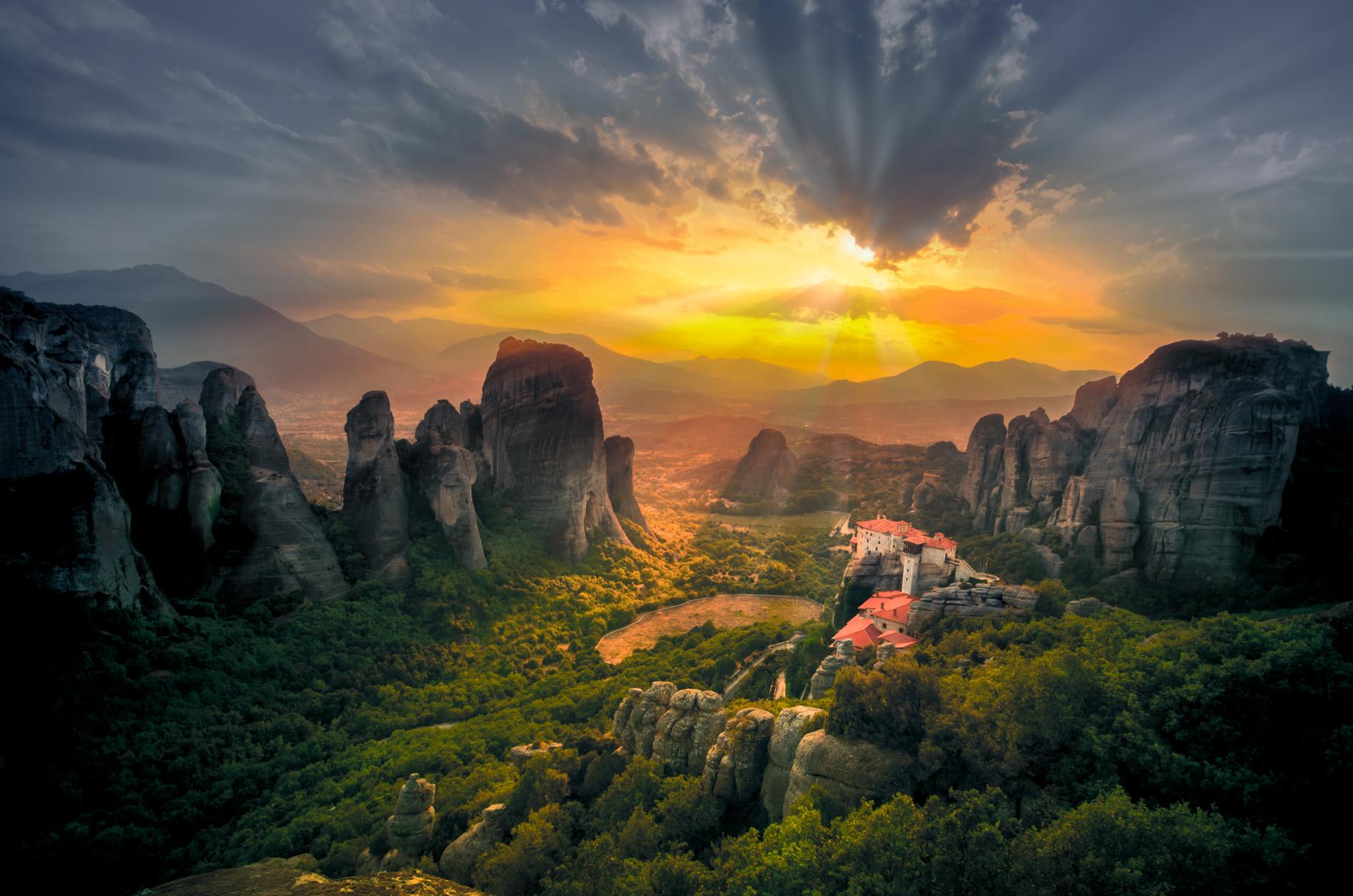
Meteora: The Monasteries Suspended in the Sky
Meteora, located in central Greece near the town of Kalambaka in Thessaly, is one of the most breathtaking and unique destinations in the country. Famous for its dramatic rock formations and ancient monasteries perched atop towering cliffs, Meteora combines natural beauty, history, and spiritual significance. This UNESCO World Heritage Site attracts travelers seeking awe-inspiring landscapes, cultural heritage, and tranquility in a truly extraordinary setting.
Geography and Landscape
Meteora is characterized by immense sandstone pillars rising sharply from the Thessalian plain. The region’s striking cliffs and valleys create a surreal landscape, offering panoramic views in every direction. The rock formations, shaped by millions of years of geological activity, provide both natural beauty and a sense of wonder, making Meteora a destination for nature lovers, photographers, and adventure enthusiasts alike.
History & Heritage
Meteora has been inhabited since prehistoric times, but its spiritual significance began in the 11th century when hermit monks first settled in the caves of the cliffs. By the 14th century, communities built monasteries atop the highest rocks to seek solitude, spiritual reflection, and protection from invading forces. At its peak, Meteora was home to 24 monasteries, six of which remain active today. These monasteries preserve priceless religious art, frescoes, manuscripts, and Byzantine traditions.
Attractions
Visitors to Meteora are captivated by its combination of natural and cultural treasures:
- Monasteries of Meteora: The six functioning monasteries—Great Meteoron, Varlaam, Rousanou, St. Nicholas Anapausas, St. Stephen, and Holy Trinity—offer insight into monastic life and stunning architecture.
- Rock Formations: Walking trails and viewpoints allow exploration of the cliffs and appreciation of the dramatic scenery.
- Byzantine Art: Frescoes and religious artifacts inside the monasteries reflect centuries of devotion and artistry.
Activities and Experiences
Meteora offers a wide range of activities for visitors:
- Hiking between monasteries and along scenic trails connecting the rock pillars.
- Photography and nature observation, capturing unique perspectives of the cliffs and surrounding plains.
- Exploring the town of Kalambaka, with traditional tavernas, cafés, and shops.
- Attending religious services or quiet reflection within the monasteries.
Climate and Best Time to Visit
Meteora has a continental Mediterranean climate with cold winters and warm summers.
- Spring and Autumn: Ideal for hiking and sightseeing, with mild temperatures and fewer crowds.
- Summer: Hotter, but perfect for exploring monasteries and enjoying the landscape.
- Winter: Cooler and quieter, offering a serene and atmospheric experience, though some trails may be less accessible.
Meteora is a place where nature, spirituality, and history converge in spectacular fashion. From the monasteries perched atop towering cliffs to panoramic views of the Thessalian plain, Meteora offers a journey that is both awe-inspiring and contemplative. It remains one of Greece’s most extraordinary destinations, captivating travelers with its timeless beauty and cultural significance.
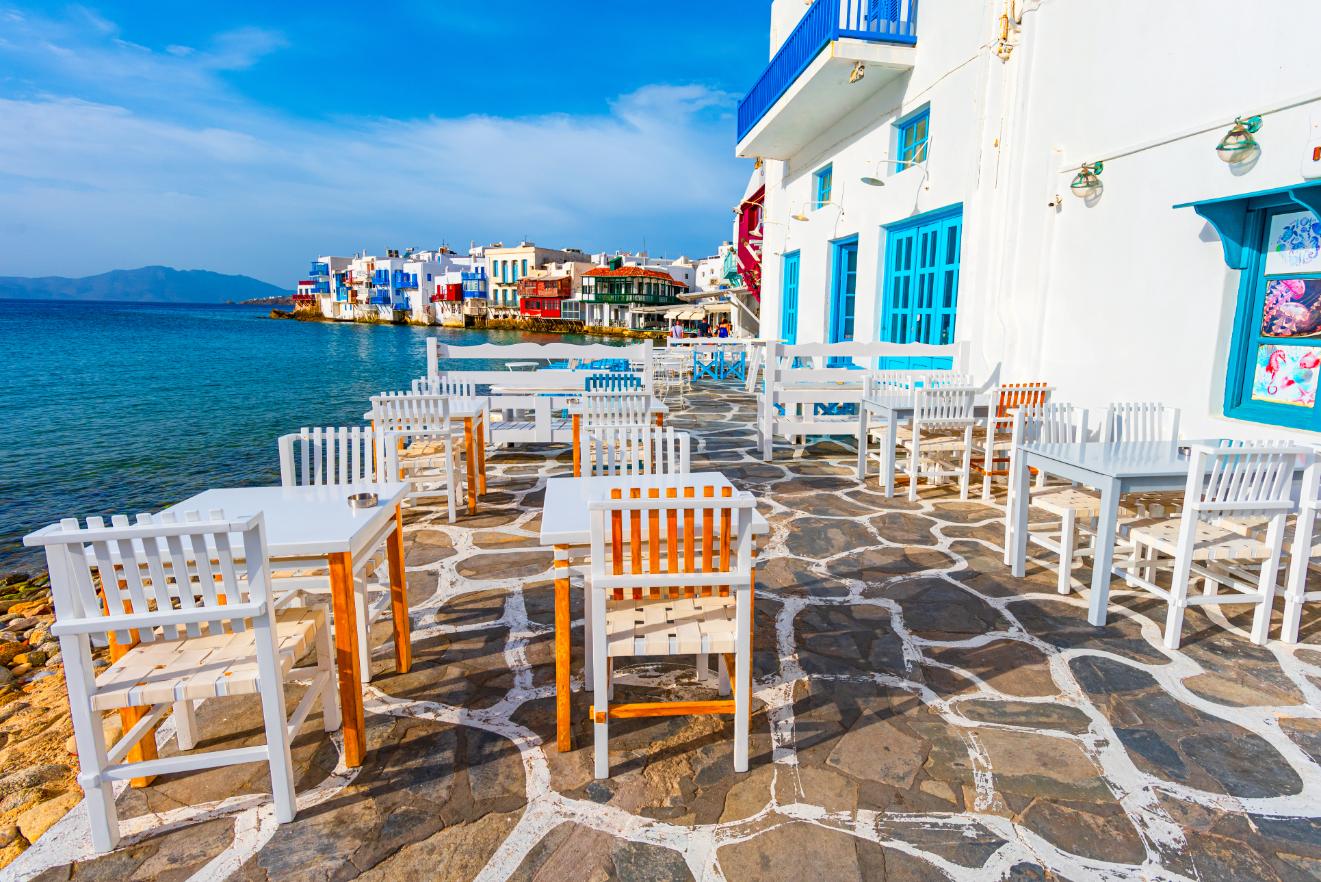
Mykonos: The Cosmopolitan Gem of the Cyclades
Mykonos, one of the most iconic islands of the Cyclades in the Aegean Sea, is famous worldwide for its vibrant nightlife, glamorous lifestyle, and charming whitewashed architecture. Often referred to as the “Island of the Winds,” Mykonos attracts visitors from all corners of the globe, offering a perfect mix of tradition, luxury, and natural beauty.
Geography and Landscape
Located between the Aegean islands Tinos, Syros, Paros, and Naxos, Mykonos is relatively small island, covering about 85 square kilometers. The island is characterized by rolling hills, golden sandy beaches, and picturesque villages with narrow cobblestone streets. Its famous windmills, perched on a hill overlooking the main town, have become a symbol of Mykonos and reflect its long maritime tradition.
History & Heritage
Mykonos has a rich history dating back to antiquity. According to Greek mythology, it was named after Mykonos, a local hero and descendant of Apollo. The island played a role in ancient times as a stopover for trade and travel across the Aegean. During the Middle Ages, Mykonos was under Venetian and later Ottoman rule, which influenced its culture and architecture. In the 20th century, the island transformed into a cosmopolitan destination, attracting artists, celebrities, and travelers seeking both relaxation and lively entertainment. Its proximity to the sacred island of Delos, one of the most important archaeological sites in Greece, also adds to its historical significance.
Economy
Traditionally, the economy of Mykonos was based on fishing, agriculture, and shipping. However, in the past decades, tourism has become the island’s primary source of income. Mykonos is now home to luxury resorts, boutique hotels, gourmet restaurants, and designer shops. The hospitality and service industries flourish, making the island a top choice for high-end travelers while still retaining elements of its traditional charm.
Tourism in Mykonos
Mykonos is celebrated as a cosmopolitan playground, yet it offers more than nightlife and glamour. Its stunning beaches, traditional villages, and rich cultural heritage provide visitors with a wide variety of experiences.
Main Attractions
- Mykonos Town (Chora): The island’s capital, with winding alleys, whitewashed houses, chic boutiques, and lively bars. The neighborhood of Little Venice, with its colorful balconies hanging over the sea, is especially romantic at sunset.
- Windmills of Kato Mili: Iconic landmarks offering panoramic views of the town and harbor.
- Delos Island: A short boat trip away, this UNESCO World Heritage Site was once a major religious and cultural center of ancient Greece.
- Armenistis Lighthouse: A scenic spot with breathtaking views of the Aegean Sea.
- Ano Mera Village: A quieter, traditional settlement featuring the historic Panagia Tourliani Monastery.
Beaches
Mykonos boasts some of the most famous beaches in Greece, each catering to different tastes:
- Paradise and Super Paradise Beach: Known for beach clubs, music, and lively parties.
- Psarou Beach: A hotspot for luxury, often visited by celebrities.
- Ornos and Platis Gialos: Family-friendly beaches with calm waters and plenty of facilities.
- Agios Sostis and Fokos: More secluded spots for those seeking peace and natural beauty.
Activities
Visitors to Mykonos can enjoy:
- Water sports such as windsurfing, jet skiing, and diving.
- Boat trips to nearby islands and hidden coves.
- Exploring the winding streets of Chora, filled with art galleries and designer boutiques.
- Sampling traditional Cycladic cuisine, alongside world-class dining experiences.
- Experiencing the legendary nightlife with world-famous DJs and beach parties.
Climate and Best Time to Visit
Mykonos has a Mediterranean climate with warm, dry summers and mild winters.
- Summer (June–September): The peak tourist season, with lively nightlife, bustling beaches, and temperatures ranging between 25–35°C.
- Spring and Autumn (April–May, October): Ideal for those seeking pleasant weather, fewer crowds, and more affordable prices.
- Winter (November–March): Much quieter, with limited tourist services but a more authentic atmosphere.
Mykonos is a destination that combines tradition and cosmopolitan flair, making it one of the most sought-after islands in the world. Whether you are drawn to its lively parties, stunning beaches, cultural treasures, or charming villages, Mykonos offers an unforgettable blend of experiences. From the sparkling waters of the Aegean to the energy of its nightlife, the island remains a symbol of Greek summer at its most glamorous.
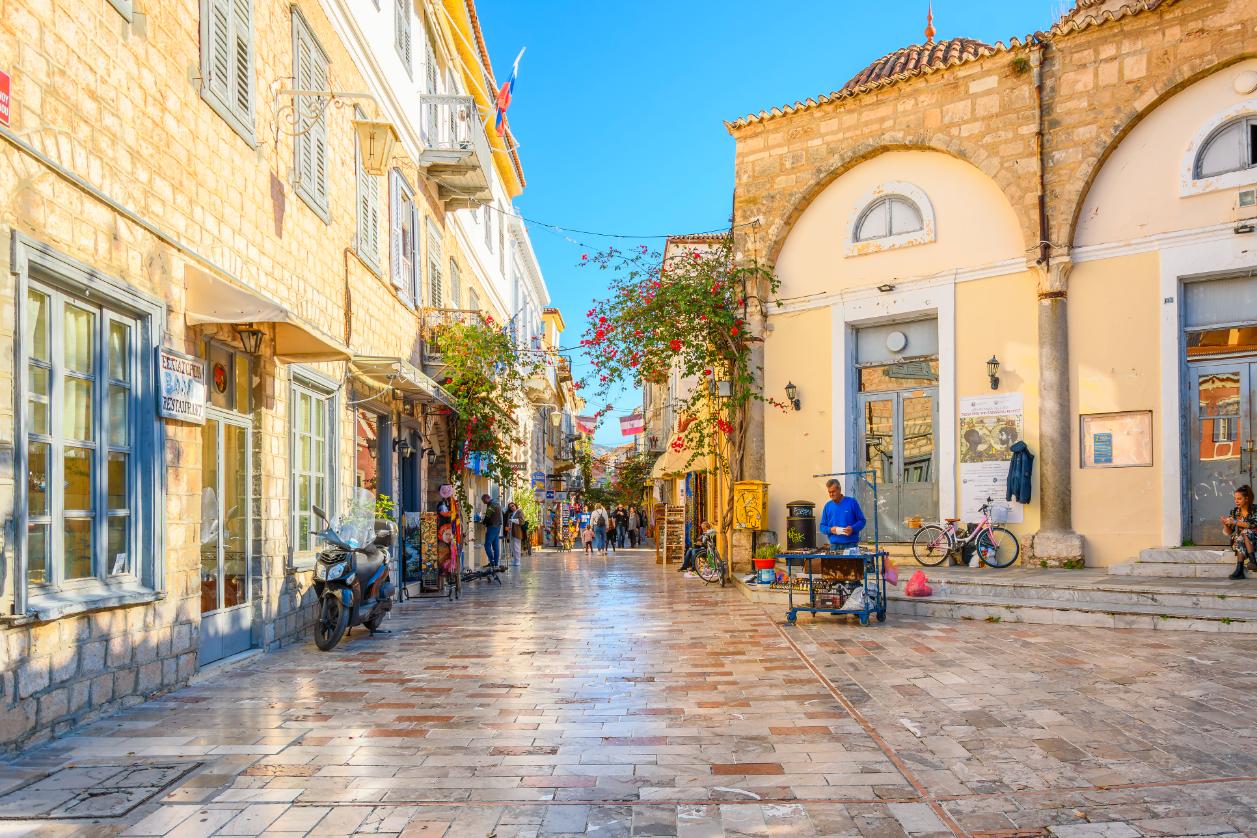
Nafplio: The Romantic Seaside Town of the Peloponnese
Nafplio, located on the eastern coast of the Peloponnese, is widely regarded as one of Greece’s most romantic and picturesque towns. Nestled between the sea and surrounding hills, this charming town combines historical significance, Venetian architecture, neoclassical mansions, and a vibrant modern atmosphere. Its scenic beauty, rich history, and cultural landmarks make it a favorite destination for travelers seeking both relaxation and exploration.
Geography and Landscape
Nafplio stretches along a small bay, with the town’s streets rising from the seafront into hilltop neighborhoods. Its location between the Argolic Gulf and the rolling hills of the Peloponnese provides stunning sea views, particularly from the town’s fortresses. The promenade, lined with cafés and shops, offers a perfect spot to admire the harbor and the iconic Bourtzi Castle, situated on a tiny islet just offshore.
History & Heritage
Nafplio has a long and fascinating history. It served as a Venetian stronghold, and its architecture reflects the influence of both Venetian and Ottoman periods. The town was fortified with impressive citadels, such as the Palamidi Fortress, built by the Venetians in the 18th century, which dominates the skyline and offers panoramic views of the surrounding area. In modern history, Nafplio became the first capital of independent Greece in the 19th century, making it a symbol of the nation’s struggle for freedom.
Attractions
Visitors to Nafplio are captivated by its combination of historical and cultural sites:
- Palamidi Fortress: A massive hilltop fortress accessible via 999 steps or by car, offering breathtaking views of the town and sea.
- Bourtzi Castle: A small fortress in the harbor, perfect for photographs and a romantic sunset experience.
- Old Town: Narrow cobblestone streets, neoclassical mansions, boutiques, and traditional cafés create an enchanting atmosphere.
- Archaeological Museum of Nafplio: Exhibiting local artifacts and treasures from nearby Mycenae and Tiryns.
Activities and Experiences
Nafplio is ideal for leisurely exploration. Walking through its Old Town, visitors can admire Venetian architecture and vibrant squares, enjoy waterfront dining, and explore local shops. The surrounding area offers day trips to historic sites such as Mycenae, Epidaurus, and Tiryns, all within easy reach. Outdoor enthusiasts can hike to nearby hills or along the coast, combining exercise with stunning views.
Climate and Best Time to Visit
Nafplio enjoys a Mediterranean climate with hot summers and mild winters. The best time to visit is spring and autumn, when temperatures are pleasant, crowds are smaller, and the landscape is lush. Summer offers lively beach days and vibrant nightlife, while winter provides a quieter, more intimate experience.
Nafplio is a destination that perfectly blends history, culture, and natural beauty. With its romantic streets, historic fortresses, charming waterfront, and proximity to some of Greece’s most important archaeological sites, it offers an unforgettable experience. Whether for a leisurely stroll, a cultural exploration, or a romantic getaway, Nafplio captures the essence of the Peloponnese.
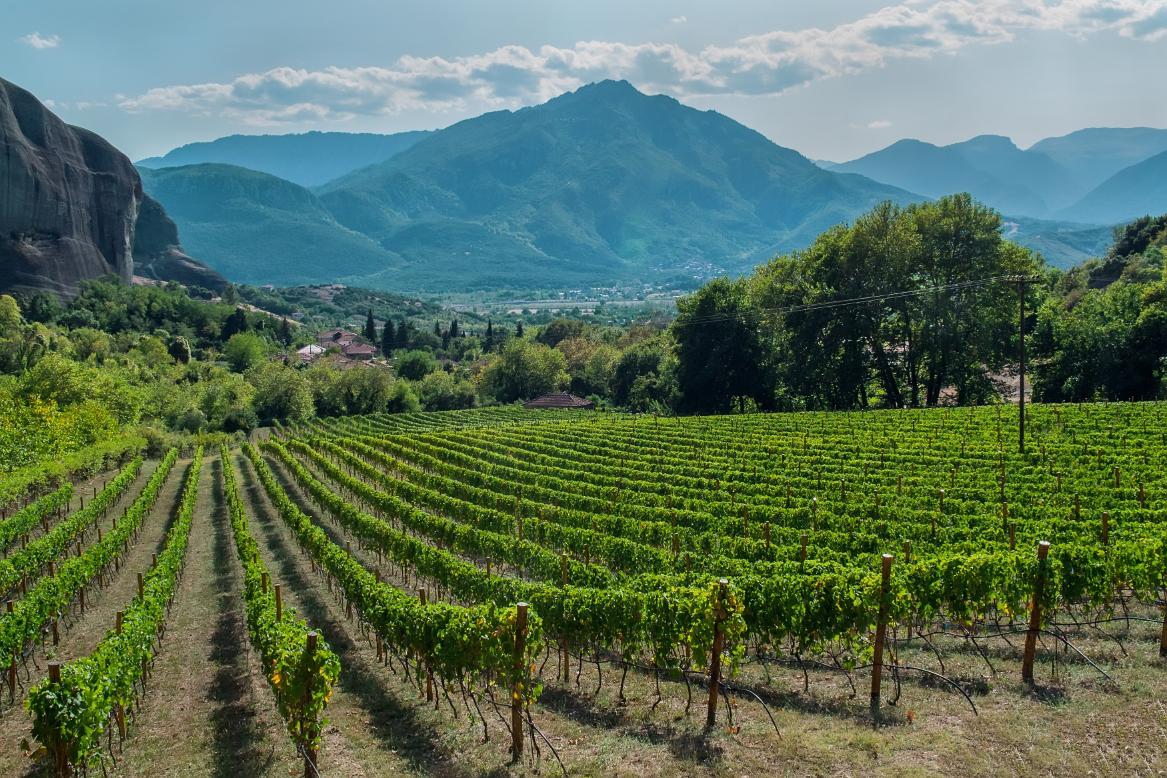
Peloponnese: The Cradle of History and Natural Beauty
The Peloponnese peninsula, in southern Greece, is a land where ancient history, medieval castles, rugged mountains, and pristine coastlines converge. Known for its archaeological treasures, Byzantine towns, and traditional villages, the region has played a pivotal role in Greece’s past—from the Mycenaean civilization to the first modern Olympic Games. Peloponnese offers travelers a unique blend of culture, nature, and authentic Greek hospitality.
Geography and Landscape
The Peloponnese is a mountainous peninsula connected to mainland Greece by the Isthmus of Corinth. Its landscape includes fertile plains, dramatic cliffs, gorges, forests, and a long coastline with sandy and pebble beaches. Rivers and lakes punctuate the terrain, while mountain ranges like Taygetus, Parnon, and Mainalon create stunning scenery and opportunities for hiking and adventure tourism.
History & Heritage
Peloponnese is the cradle of Greek civilization. It was home to the Mycenaean kings, who left behind fortified palaces, tombs, and the legendary Lion Gate of Mycenae. During the classical period, cities such as Olympia and Epidaurus played central roles in religion, sport, and culture. Later, Byzantine, Venetian, and Ottoman influences shaped the region, leaving castles, monasteries, and fortified towns. Peloponnese also was at the heart of the Greek War of Independence in the 19th century, giving it an enduring historical significance.
Economy
The Peloponnese economy relies on agriculture, tourism, and small-scale industry. The region produces olives, citrus fruits, wine, and honey, which complement its flourishing tourism sector. Visitors are drawn by archaeological sites, charming towns, mountains, and beaches, making tourism a vital part of local life.
Key Destinations
Nafplio
One of Greece’s most romantic towns, Nafplio features Venetian architecture, neoclassical mansions, and a scenic seafront. Its imposing Palamidi Fortress and the quaint Bourtzi Castle in the harbor make it a must-visit. The town’s cafés, restaurants, and narrow streets create a lively yet intimate atmosphere. Nafplio was also the first capital of modern Greece, adding historical significance to its scenic charm.
Epidaurus
Famed for its ancient theater, Epidaurus is a UNESCO World Heritage Site celebrated for exceptional acoustics and classical architecture. The sanctuary of Asclepius, a center of healing in antiquity, attracts visitors interested in history, medicine, and culture. The theater still hosts performances today, blending ancient heritage with modern Greek culture.
Monemvasia
A medieval fortress town on a rocky islet, Monemvasia is known as the “Gibraltar of the East.” Its Byzantine churches, stone houses, and narrow streets create a timeless atmosphere. Accessible by a causeway, the town offers stunning views of the sea and dramatic sunsets, making it a perfect combination of history, romance, and scenic beauty.
Mystras
Nestled on the slopes of Taygetus Mountain, Mystras was a major Byzantine center and a UNESCO World Heritage Site. Its palaces, monasteries, and churches reflect the grandeur of medieval Greece. Once the capital of the Despotate of the Morea, Mystras today invites visitors to wander through cobbled streets and admire Byzantine art and architecture.
Mani
The Mani Peninsula, in southern Peloponnese, is rugged and dramatic, with steep cliffs, stone tower houses, and secluded coves. Known for its proud and independent communities, Mani offers authentic experiences, including local gastronomy, traditional villages, and scenic hiking routes. Its coastal villages provide unspoiled beaches and a taste of traditional Greek life.
Ancient Olympia
Olympia is the birthplace of the ancient Olympic Games and one of Greece’s most important archaeological sites. Visitors can explore temples, stadiums, and the museum with priceless artifacts. Olympia connects the region’s ancient sporting legacy with modern Olympic traditions, making it a symbol of human achievement and cultural continuity.
Mountainous Villages of Arcadia
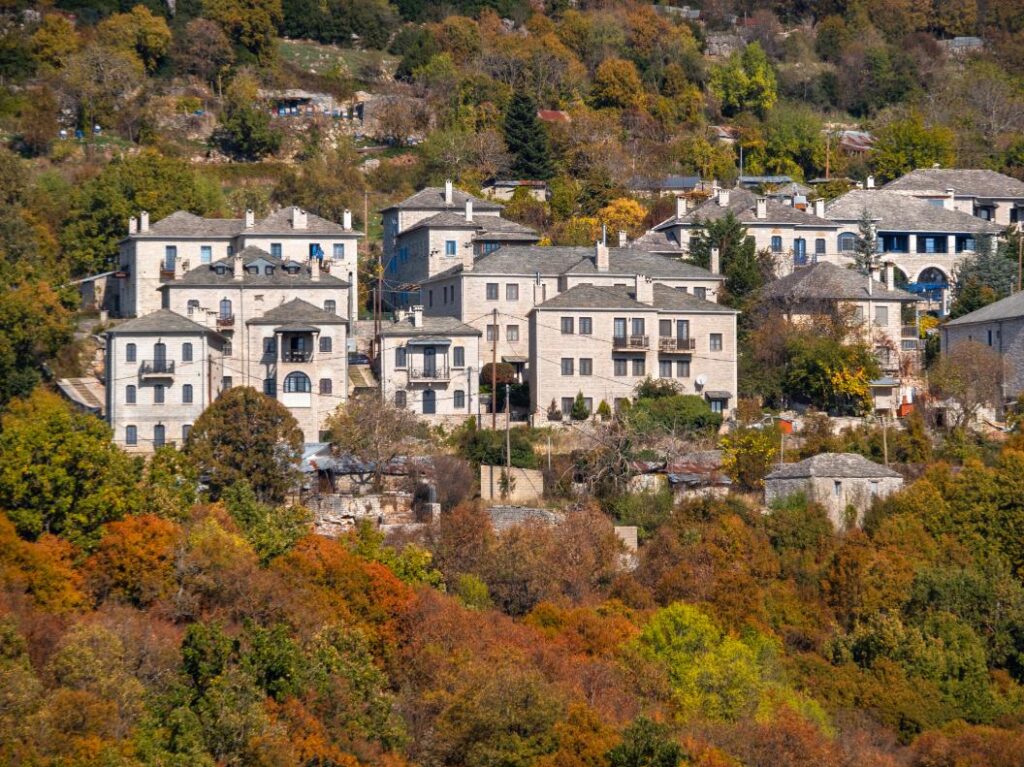
The mountains of Arcadia host picturesque villages such as Dimitsana, Stemnitsa, and Vytina. These settlements are known for stone-built houses, Byzantine churches, and traditional squares. Visitors can hike through gorges, visit historic monasteries, and enjoy local cuisine, experiencing the serene and authentic side of Peloponnese away from the coast.
Climate and Best Time to Visit
Peloponnese enjoys a Mediterranean climate with hot summers and mild winters.
- Summer (June–September): Ideal for beaches, sightseeing, and cultural festivals.
- Spring and Autumn (April–May, October): Perfect for hiking, exploring villages, and visiting archaeological sites.
- Winter (November–March): Quieter season, suitable for cultural tourism and enjoying local traditions.
Peloponnese is a destination where history, nature, and tradition meet. From the romantic streets of Nafplio and the ancient theater of Epidaurus to the medieval wonders of Monemvasia and Mystras, the dramatic Mani Peninsula, Olympia’s legendary past, and Arcadia’s serene villages, the region offers unforgettable experiences. For travelers seeking culture, scenic landscapes, and authentic Greek life, Peloponnese is a journey through time and beauty.
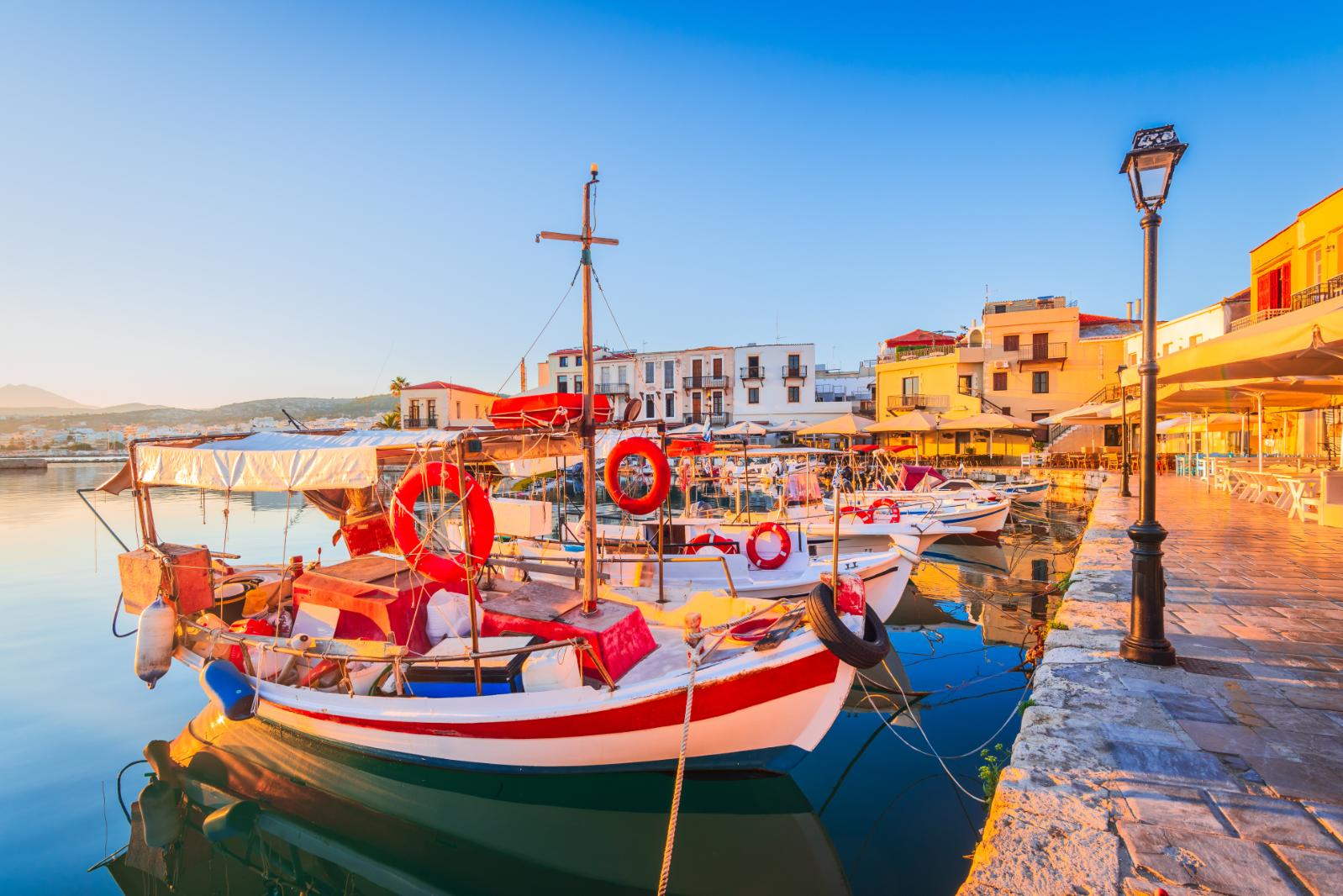
Rethymno: The Charming Gem of Crete
Rethymno, located on the northern coast of Crete between Chania and Heraklion, is a charming city that blends history, culture, and seaside beauty. Known for its well-preserved old town, Venetian harbor, and vibrant atmosphere, Rethymno offers visitors a unique combination of historical exploration, local gastronomy, and relaxation by the sea. Its narrow streets, Renaissance architecture, and lively squares make it one of Crete’s most picturesque destinations.
Geography and Landscape
Rethymno stretches along the northern coast of Crete, with the Cretan Sea to the north and mountains rising to the south. Its Venetian harbor serves as the city’s centerpiece, surrounded by sandy beaches, quaint alleys, and waterfront cafés. The surrounding region includes fertile plains, olive groves, and forested hills, offering opportunities for hiking, nature walks, and exploration of traditional villages.
History & Heritage
Rethymno has a rich history influenced by Byzantine, Venetian, and Ottoman civilizations. The city flourished during the Venetian period, evident in its fortifications, mansions, fountains, and the iconic Fortezza Fortress, which overlooks the town. Ottoman influences are visible in mosques, baths, and other architectural elements. Rethymno’s blend of cultures, along with its role as a regional trade and administrative center, makes it a living museum of Crete’s past.
Key Attractions
Visitors to Rethymno can enjoy a wealth of cultural and historical sites:
- Fortezza Fortress: A Venetian citadel offering panoramic views of the city, harbor, and sea.
- Venetian Harbor: A lively area lined with cafés, restaurants, and shops, perfect for strolls at sunset.
- Old Town: Narrow cobblestone streets with Renaissance mansions, Byzantine churches, and Ottoman fountains.
- Rimondi Fountain: A historic Venetian fountain in the heart of the old town.
- Archaeological Museum of Rethymno: Displaying artifacts from the Minoan, Roman, and Byzantine periods.
Activities and Experiences
Rethymno is ideal for combining culture, relaxation, and outdoor adventure. Visitors can explore the old town on foot, enjoy Cretan cuisine in traditional tavernas, or take boat trips along the coast. The surrounding countryside offers hiking trails, scenic villages, and opportunities for olive oil and wine tasting. Beaches along the coast provide sunbathing, swimming, and water sports for travelers of all ages.
Climate and Best Time to Visit
Rethymno enjoys a Mediterranean climate with hot, dry summers and mild winters.
- Summer (June–September): Perfect for beaches, seaside dining, and cultural festivals.
- Spring and Autumn: Ideal for sightseeing, hiking, and exploring villages with pleasant temperatures.
- Winter: Mild and quieter, offering a more authentic local experience.
Rethymno is a destination where history, culture, and natural beauty converge. From the imposing Fortezza and Venetian harbor to cobblestone streets and nearby beaches, the city provides an unforgettable Cretan experience. Whether wandering through its historic alleys, enjoying traditional cuisine, or exploring the surrounding mountains, visitors are captivated by Rethymno’s charm, authenticity, and welcoming atmosphere.
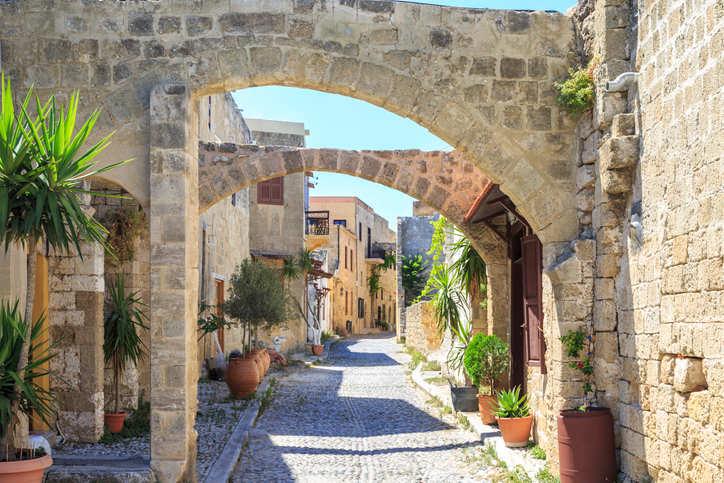
Rhodes: The Island of Medieval Knights
Rhodes, the largest island of the Dodecanese archipelago in the southeastern Aegean Sea, is one of Greece’s most historic and cosmopolitan destinations. Known as the “Island of the Sun” thanks to its warm climate and more than 300 sunny days a year, Rhodes combines ancient sites, medieval castles, golden beaches, and vibrant modern life. Its strategic position between Europe, Asia, and Africa has shaped its identity as a crossroads of civilizations.
Geography and Landscape
The island covers about 1,400 square kilometers, with diverse landscapes ranging from fertile plains and pine-covered hills to long sandy beaches and hidden coves. Rhodes Town, the capital, is divided into the medieval Old Town—surrounded by massive stone walls—and the modern city with its shops, restaurants, and nightlife.
History & Heritage
Rhodes has one of the richest histories in Greece. In antiquity, it was famous for the Colossus of Rhodes, one of the Seven Wonders of the Ancient World, which stood guard over its harbor. Later, during the Middle Ages, it became the stronghold of the Knights of St. John, who built the imposing Palace of the Grand Master and fortified the Old Town. Venetian, Ottoman, and Italian influences also shaped the island before it was reunited with Greece in 1947. Today, Rhodes Old Town is a UNESCO World Heritage Site and one of the best-preserved medieval cities in Europe.
Economy
Tourism is the driving force of Rhodes’ economy, supported by agriculture, especially olive oil, citrus fruits, and wine. The island has developed a strong infrastructure of hotels, resorts, and services, making it a top destination for international travelers.
Tourism in Rhodes
Rhodes is a blend of history, culture, relaxation, and entertainment, appealing to families, couples, and adventure seekers alike.
Main Attractions
- Rhodes Old Town: A living museum with cobbled streets, Gothic architecture, mosques, and bustling markets.
- Palace of the Grand Master: The medieval castle of the Knights, now a museum.
- Acropolis of Lindos: A stunning ancient site overlooking a picturesque village and turquoise bay.
- Kamiros: The ruins of an ancient Doric city.
- Mandraki Harbor: Lined with cafés and shops, once the site of the legendary Colossus.
Beaches
Rhodes is famous for its beautiful coastline:
- Faliraki: A lively beach with water sports and nightlife.
- Tsambika Beach: Long and sandy, ideal for families.
- Prasonisi: A paradise for windsurfing and kitesurfing.
- Anthony Quinn Bay: A scenic cove with crystal-clear waters.
Activities
- Exploring the Valley of the Butterflies (Petaloudes) in summer.
- Hiking in the island’s interior mountains.
- Sailing and diving excursions.
- Tasting local specialties such as melekouni (sesame-honey sweet) and wines.
- Enjoying festivals and cultural events celebrating Rhodes’ history.
Climate and Best Time to Visit
Rhodes enjoys a mild Mediterranean climate.
- Summer (June–September): Hot and sunny, ideal for beaches and nightlife.
- Spring and Autumn (April–May, October): Pleasant temperatures, fewer crowds, and perfect for sightseeing.
- Winter (November–March): Mild and quieter, with fewer tourist services but an authentic local atmosphere.
Rhodes is a destination that combines myth, history, and natural beauty. From the medieval wonders of its Old Town to the ancient acropolis of Lindos and its golden beaches, the island offers an unforgettable journey through time and culture. Whether seeking history, relaxation, or adventure, Rhodes is a treasure of the Aegean waiting to be discovered.
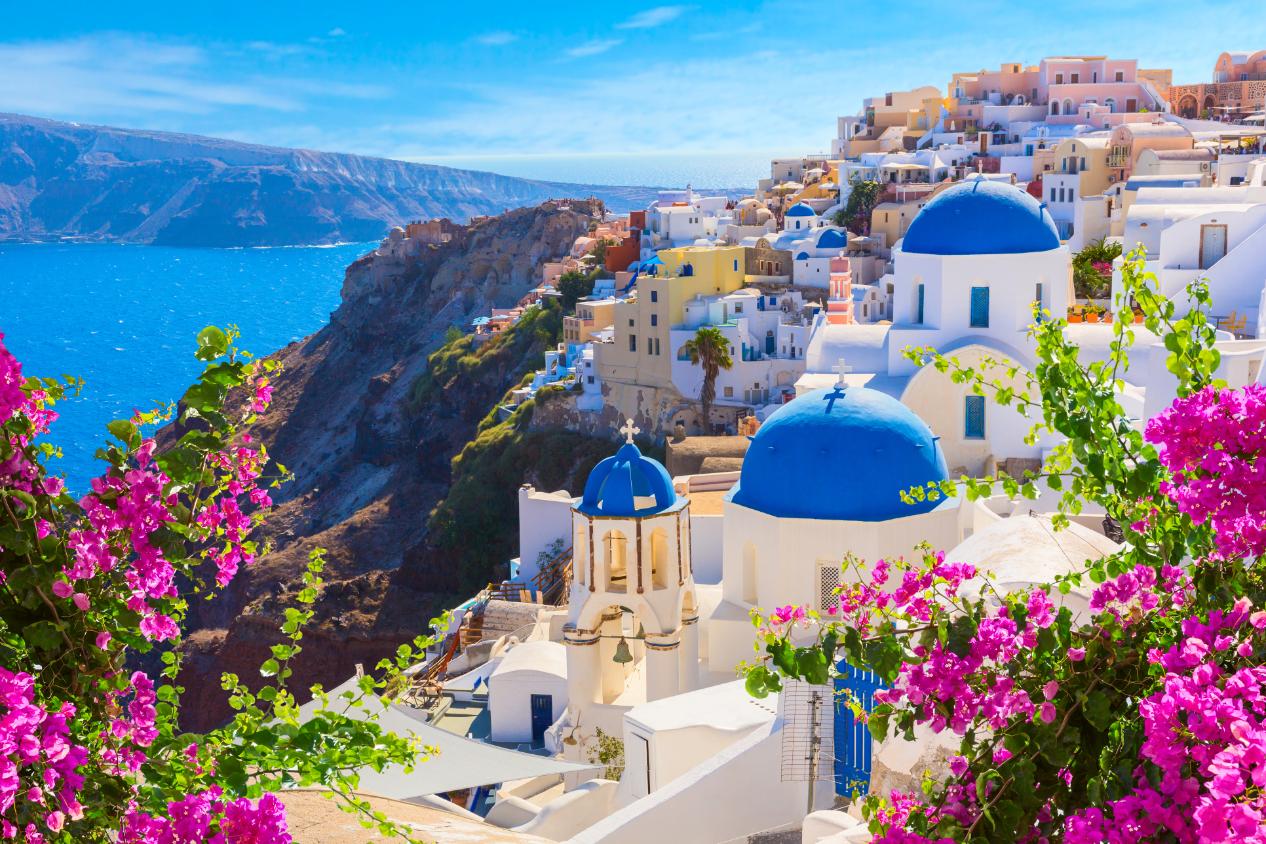
Santorini: The Volcanic Jewel of the Aegean Sea
Santorini, officially known as Thira, is one of the most famous and enchanting islands in Greece, attracting millions of visitors each year with its dramatic landscapes, unique architecture, and rich cultural heritage. Situated in the southern part of the Cyclades island group in the Aegean Sea, Santorini is renowned worldwide as a romantic destination, often ranked among the top places to visit worldwide.
Geography and Landscape
The island was formed by a massive volcanic eruption around 1600 BCE, which created its iconic crescent shape and steep cliffs overlooking the deep blue caldera. Today, the island is made up of rugged volcanic terrain, stunning beaches with black, red, and white sands, and picturesque villages perched on cliff tops. The caldera itself remains one of the island’s most striking features, offering breathtaking panoramic views, especially during sunset.
History & Heritage
Santorini’s history is both ancient and fascinating. The island was home to one of the most advanced civilizations of the Bronze Age, known as the Minoans. The archaeological site of Akrotiri, often referred to as the “Pompeii of the Aegean,” reveals a flourishing city that was buried under volcanic ash, preserving frescoes, houses, and artifacts. Over the centuries, Santorini was influenced by Byzantine, Venetian, and Ottoman rule, each leaving its own cultural imprint. Today, the island’s traditional whitewashed houses and blue-domed churches remain enduring symbols of its heritage.
Economy
While agriculture and winemaking have long been important, tourism now dominates the economy of Santorini. The island is famous for its wines, especially the crisp white Assyrtiko variety, grown in volcanic soil that gives them a distinctive character. Olive oil, fava beans, and cherry tomatoes are other local specialties. The rapid growth of tourism has led to a thriving hospitality industry, with luxury resorts, boutique hotels, and fine-dining restaurants flourishing across the island.
Tourism in Santorini
Santorini is considered one of the most romantic destinations in the world, often chosen for honeymoons, weddings, and special getaways. The island’s charm lies in its combination of natural beauty, cultural landmarks, and vibrant local life.
Main Attractions
- Oia Village: Famous for its stunning sunsets, narrow alleys, and elegant boutiques.
- Fira: The bustling capital of Santorini, filled with shops, cafés, museums, and nightlife.
- Akrotiri Archaeological Site: An ancient Minoan settlement preserved under volcanic ash.
- Red Beach and Perissa Beach: Known for their distinctive volcanic sands and crystal-clear waters.
- Pyrgos and Megalochori Villages: Traditional settlements showcasing the island’s authentic character.
- Santo Wines Winery: A must-visit for wine lovers who want to taste Santorini’s renowned volcanic wines.
Activities
Visitors to Santorini can enjoy a wide range of activities, such as:
- Sailing excursions around the caldera and nearby islands.
- Wine tasting tours in local vineyards.
- Hiking along the scenic trail from Fira to Oia.
- Exploring volcanic islets like Nea Kameni, with its active crater and hot springs.
- Relaxing on unique beaches with colorful volcanic sands.
- Experiencing traditional Greek cuisine in tavernas overlooking the sea.
Climate and Best Time to Visit
Santorini enjoys a Mediterranean climate, with hot, dry summers and mild, wetter winters.
- Summer (June–September): The most popular period, with warm weather, vibrant nightlife, and crowded beaches.
- Spring and Autumn (April–May, October): Ideal for those who prefer milder temperatures, fewer crowds, and lower prices.
- Winter (November–March): A quieter season with limited tourist services, but a good time for peaceful exploration and appreciating the island’s authentic atmosphere.
Santorini is more than just a beautiful island; it is a destination where history, culture, and natural wonders come together to create an unforgettable experience. From its volcanic landscapes and romantic sunsets to its rich archaeological heritage and fine wines, Santorini captures the hearts of all who visit. Whether for a honeymoon, a cultural journey, or simply to relax by the Aegean Sea, the island promises memories that last a lifetime.
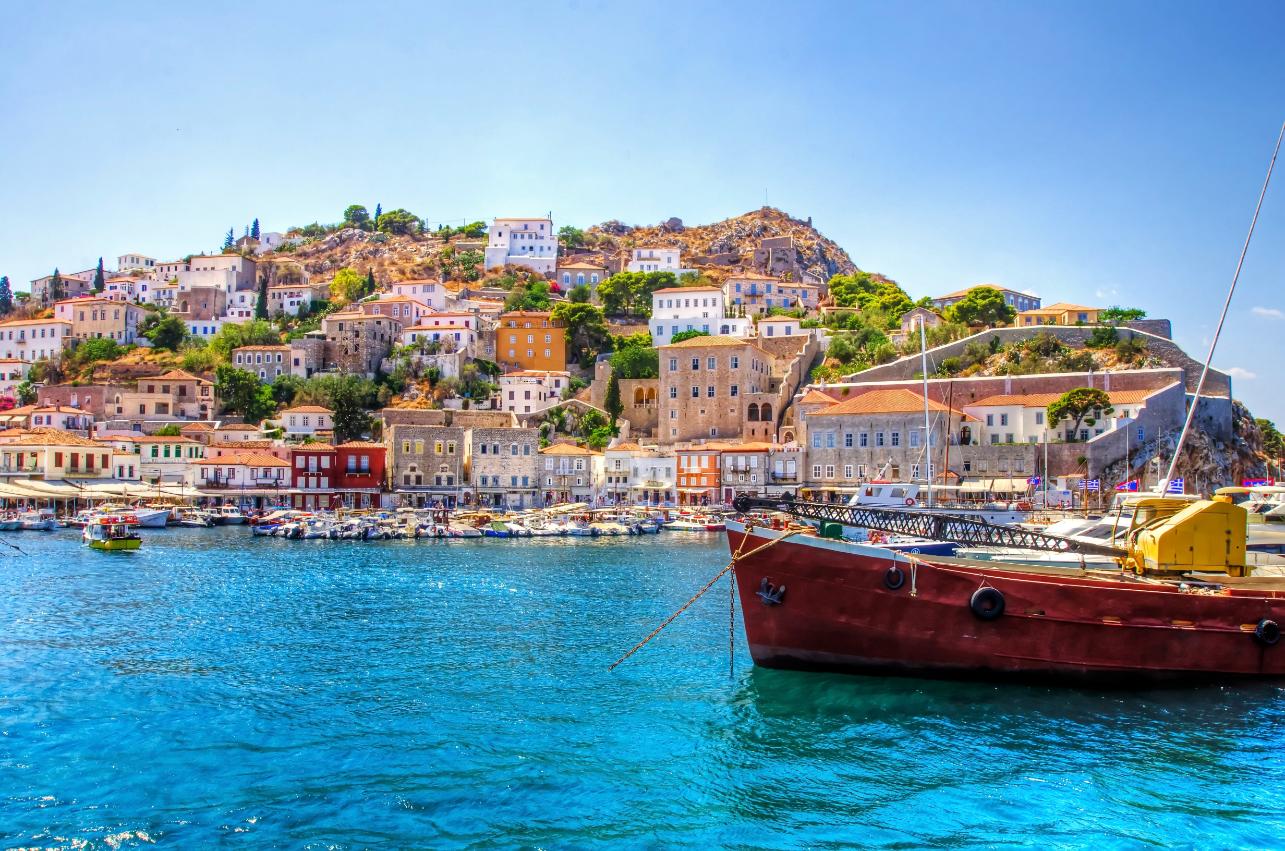
The Saronic Islands: A Charming Escape Near Athens
The Saronic Islands, located in the Saronic Gulf just a short distance from Athens, offer a perfect blend of natural beauty, history, and authentic Greek island life. Known for their charming harbors, traditional architecture, and crystal-clear waters, the islands are ideal for day trips, weekend escapes, or longer stays. Each island has its own unique character, from lively markets to serene beaches, historic landmarks, and artistic enclaves.
Geography and Landscape
The Saronic Islands consist of a group of small but diverse islands, including Aegina, Hydra, Poros, and Spetses. They are easily accessible from Piraeus, the port of Athens, by regular ferries or private boats. The islands feature a mix of green hills, pine forests, sandy coves, rocky cliffs, and picturesque villages, making them perfect for relaxation, exploration, and outdoor activities.
History & Heritage
The islands have rich histories dating back to antiquity. Aegina was an important maritime power in ancient Greece. Hydra became wealthy during the 18th and 19th centuries through shipping and played a key role in the Greek War of Independence. Poros has a long history as a naval base and trading post, while Spetses was also influential in shipping and revolution. The Saronic Islands’ historical landmarks, mansions, and churches reflect centuries of Greek culture and heritage.
Economy
Tourism is the main economic driver for the Saronic Islands, complemented by fishing, agriculture, and local crafts. The islands are famous for pistachios (Aegina), olives, wine, and fresh seafood, while cultural tourism and yachting have developed steadily. Their proximity to Athens makes them particularly popular for short trips or weekend getaways.
Key islands and Highlights
Aegina
Aegina, the closest island to Athens, is famous for its ancient Temple of Aphaia, charming port, and pistachio groves. Visitors can enjoy sandy beaches, seaside tavernas, and cycling or walking along scenic coastal paths. Its lively market and cultural events make Aegina a perfect blend of history and modern island life.
Hydra
Hydra is a car-free island renowned for its artistic atmosphere, stone mansions, and elegant harbor. Narrow cobbled streets wind between galleries, cafés, and boutique hotels. Hydra attracts painters, writers, and travelers seeking tranquility, history, and luxury. Its picturesque harbor and crystal-clear waters are ideal for swimming, sailing, or simply enjoying a sunset from a waterfront café.
Poros
Poros is a green, pine-covered island with a charming town built on a hillside sloping down to the sea. The island offers beaches, waterfront promenades, and historic sites such as the clock tower and small monasteries. Poros is perfect for short getaways, romantic strolls, and leisurely exploration, with easy access to sailing and water sports.
Spetses
Spetses is known for its elegant architecture, aristocratic mansions, and vibrant cultural life. The island hosts festivals, horse-drawn carriage rides, and lively nightlife. Its small beaches, boutique hotels, and waterfront cafés create an intimate and luxurious experience, while its maritime history adds depth to the island’s charm.
Activities and Experiences
Visitors to the Saronic Islands can enjoy swimming, snorkeling, hiking, sailing, and exploring traditional villages. The islands are ideal for gastronomic experiences, including fresh seafood, local pastries, olives, and wine. Cultural tours, museums, and historic sites add depth for those interested in heritage, while the stunning landscapes offer relaxation and adventure alike.
Climate and Best Time to Visit
The Saronic Islands enjoy a Mediterranean climate, with warm, sunny summers and mild winters.
- Summer (June–September): Perfect for beach days, sailing, and vibrant nightlife.
- Spring and Autumn: Ideal for sightseeing, hiking, and enjoying quieter beaches.
- Winter: Mild but quiet, offering a more authentic and tranquil experience.
The Saronic Islands are a perfect escape from the mainland, combining natural beauty, rich history, and authentic Greek island charm. From Aegina’s pistachio groves and ancient temple to Hydra’s artistic streets, Poros’s green landscapes, and Spetses’s aristocratic elegance, each island offers a unique experience. Their proximity to Athens makes them accessible, while their distinctive character ensures a memorable and diverse journey through the Saronic Gulf.
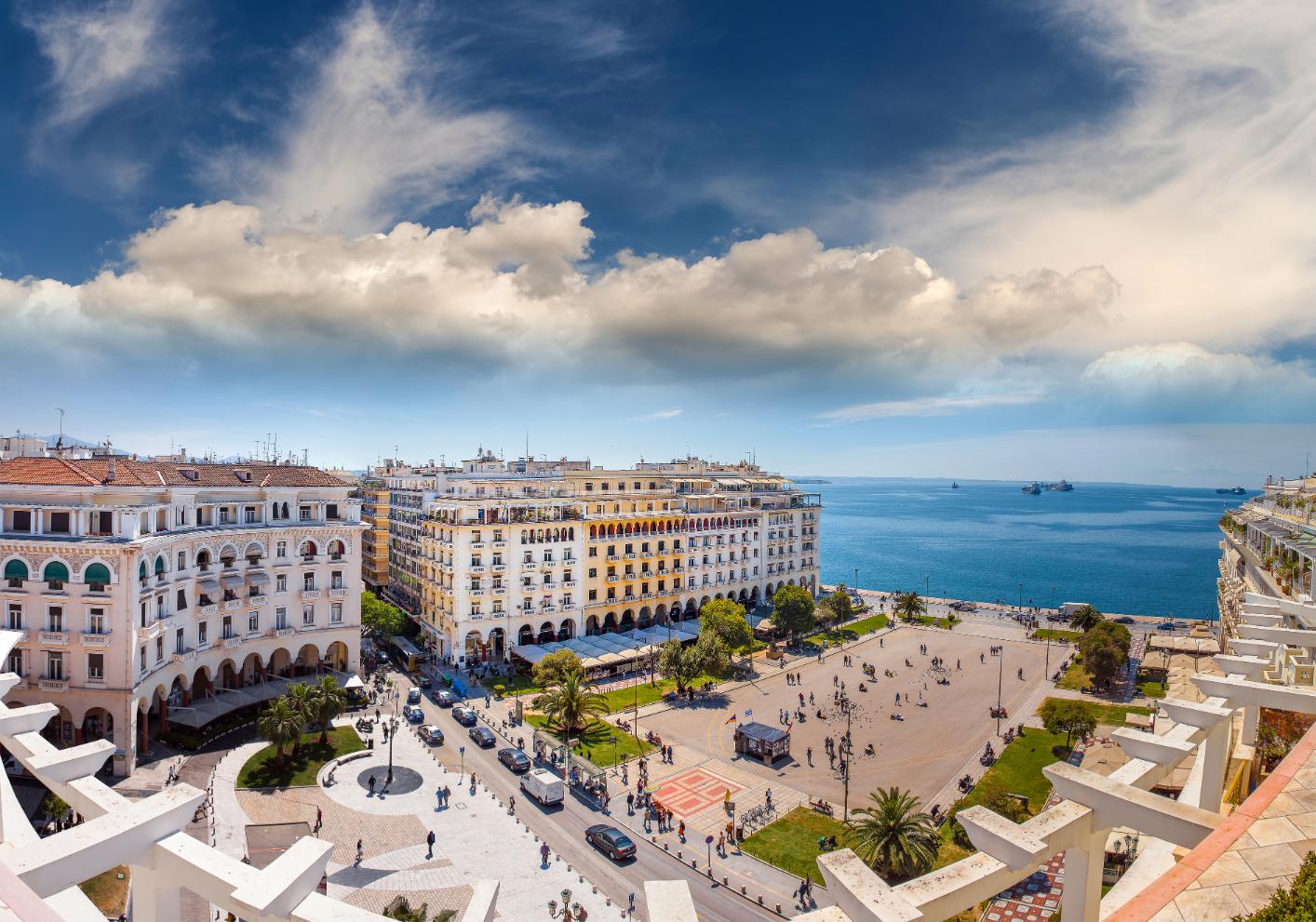
Thessaloniki: The Cultural Capital of Northern Greece
Thessaloniki, Greece’s second-largest city and the capital of the region of Macedonia, is a vibrant metropolis that blends history, culture, gastronomy, and youthful energy. Situated on the shores of the Thermaic Gulf, Thessaloniki has always been a crossroads of civilizations, shaped by Greek, Roman, Byzantine, Ottoman, and Jewish influences. Today, it is one of Europe’s most dynamic and welcoming cities, famous for its festivals, nightlife, and unique identity.
Geography and Landscape
Located in northern Greece, Thessaloniki lies on the Thermaic Gulf of the Aegean Sea, backed by hills and with views of Mount Olympus in the distance. Its waterfront promenade, stretching several kilometers, is a favorite spot for locals and visitors alike, lined with cafés, bars, and cultural landmarks. The city’s compact center makes it easy to explore on foot, from Roman ruins to Byzantine churches and bustling markets.
History & Heritage
Founded in 315 BC by King Cassander of Macedon and named after his wife, Thessaloniki has a long and illustrious history. In Roman times, it was a thriving commercial hub along the Via Egnatia trade route. During the Byzantine era, it became the empire’s second city after Constantinople, adorned with magnificent churches and mosaics. Under Ottoman rule, Thessaloniki was a multicultural city, home to Greeks, Turks, and one of the largest Jewish communities in Europe. The city was liberated and incorporated into Greece in 1912, and despite the devastating fire of 1917 and the loss of its Jewish population during World War II, Thessaloniki has reinvented itself as a modern European city.
Economy
As the economic center of northern Greece, Thessaloniki thrives on commerce, education, and culture. It is home to the Aristotle University, one of the largest in the Balkans, and hosts major trade fairs and exhibitions, such as the annual Thessaloniki International Fair. Its port, one of the busiest in the region, connects Greece to the Balkans and southeastern Europe. Tourism is also an important sector, fueled by the city’s rich history, culinary traditions, and vibrant urban life.
Tourism in Thessaloniki
Thessaloniki is a city that rewards exploration, offering layers of history, lively neighborhoods, and a renowned food scene.
Main Attractions
- The White Tower: The city’s iconic landmark, a 15th-century fortress now housing a museum.
- Aristotelous Square: The grand central square, lined with elegant buildings, shops, and cafés.
- Ano Poli (Upper Town): The old traditional quarter with cobbled streets, Ottoman-era houses, and panoramic views.
- Rotunda and Arch of Galerius: Roman monuments dating back to the 4th century.
- Byzantine Churches: UNESCO World Heritage Sites such as Hagios Demetrios, Hagia Sophia, and Panagia Chalkeon.
- Archaeological and Byzantine Museums: Offering insights into Macedonia’s history and art.
Food and Gastronomy
Thessaloniki is often called Greece’s culinary capital. Its food reflects Greek, Balkan, and Middle Eastern influences. Specialties include bougatsa (pastry filled with cream or cheese), trigona Panoramatos (crispy cream-filled triangles), and delicious seafood. The city is also famous for its lively food markets, like Modiano and Kapani.
Activities
- Walking along the seafront promenade to the modern cultural hub of the New Waterfront, with themed gardens and art installations.
- Shopping in the city center, from local boutiques to international brands.
- Experiencing the vibrant nightlife in the Ladadika district or the student-friendly bars of Valaoritou.
- Attending cultural events like the Thessaloniki International Film Festival or Documentary Festival.
- Day trips to Mount Olympus, Halkidiki’s beaches, or the archaeological site of Vergina.
Climate and Best Time to Visit
Thessaloniki has a Mediterranean climate with continental influences.
- Summer (June–September): Hot and lively, with outdoor events and festivals.
- Spring and Autumn (April–May, October–November): Pleasant temperatures, perfect for sightseeing and cultural exploration.
- Winter (December–February): Mild but with occasional cold spells; a great time to enjoy museums, gastronomy, and the festive atmosphere.
Thessaloniki is not just a city but an experience—a place where history, culture, and modern life merge seamlessly. From Roman and Byzantine monuments to lively squares, from traditional tavernas to trendy cafés, the city offers something for every traveler. Whether you come for its heritage, cuisine, or youthful spirit, Thessaloniki captures the heart with its warmth and energy, making it a must-visit destination in Greece.