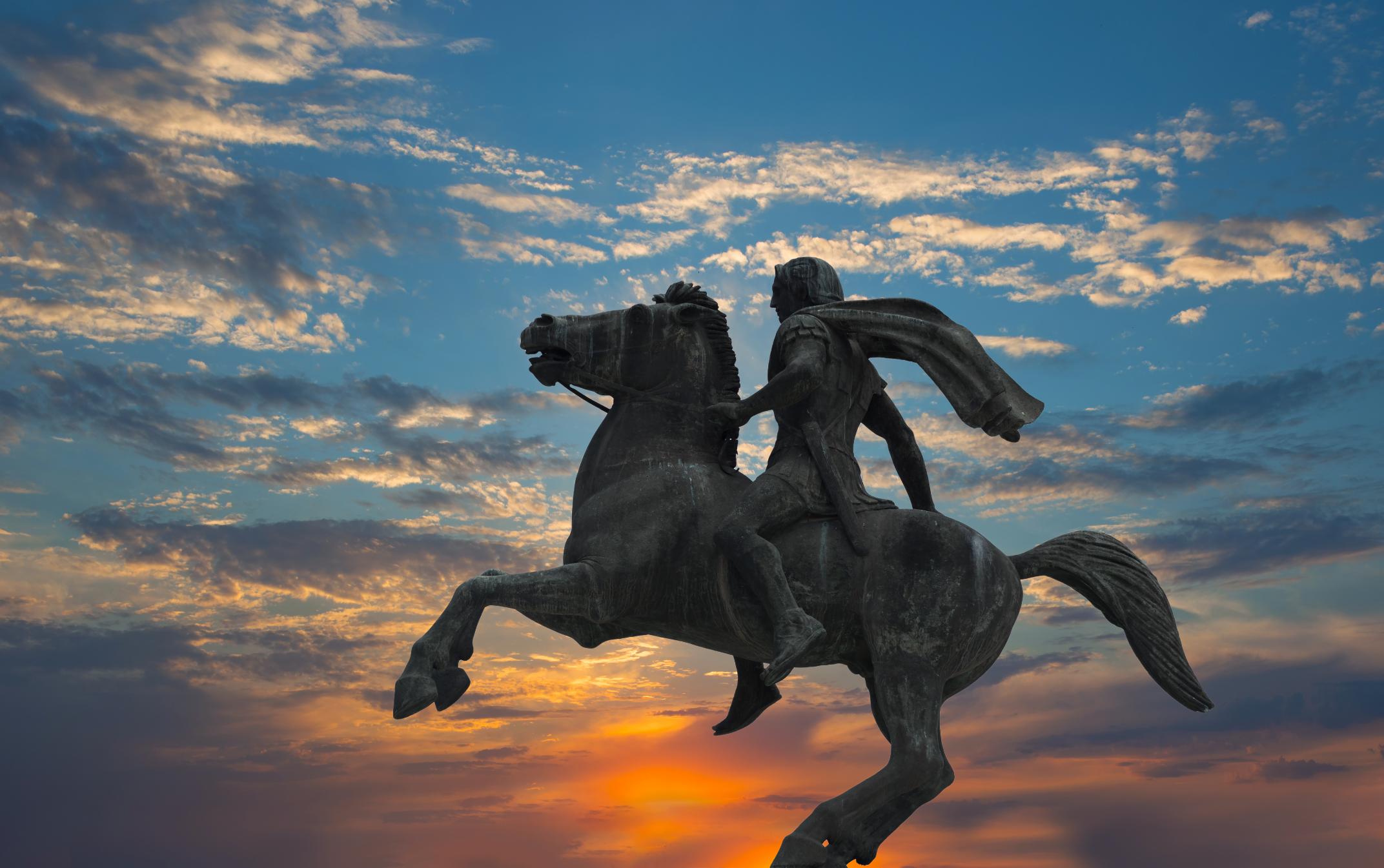
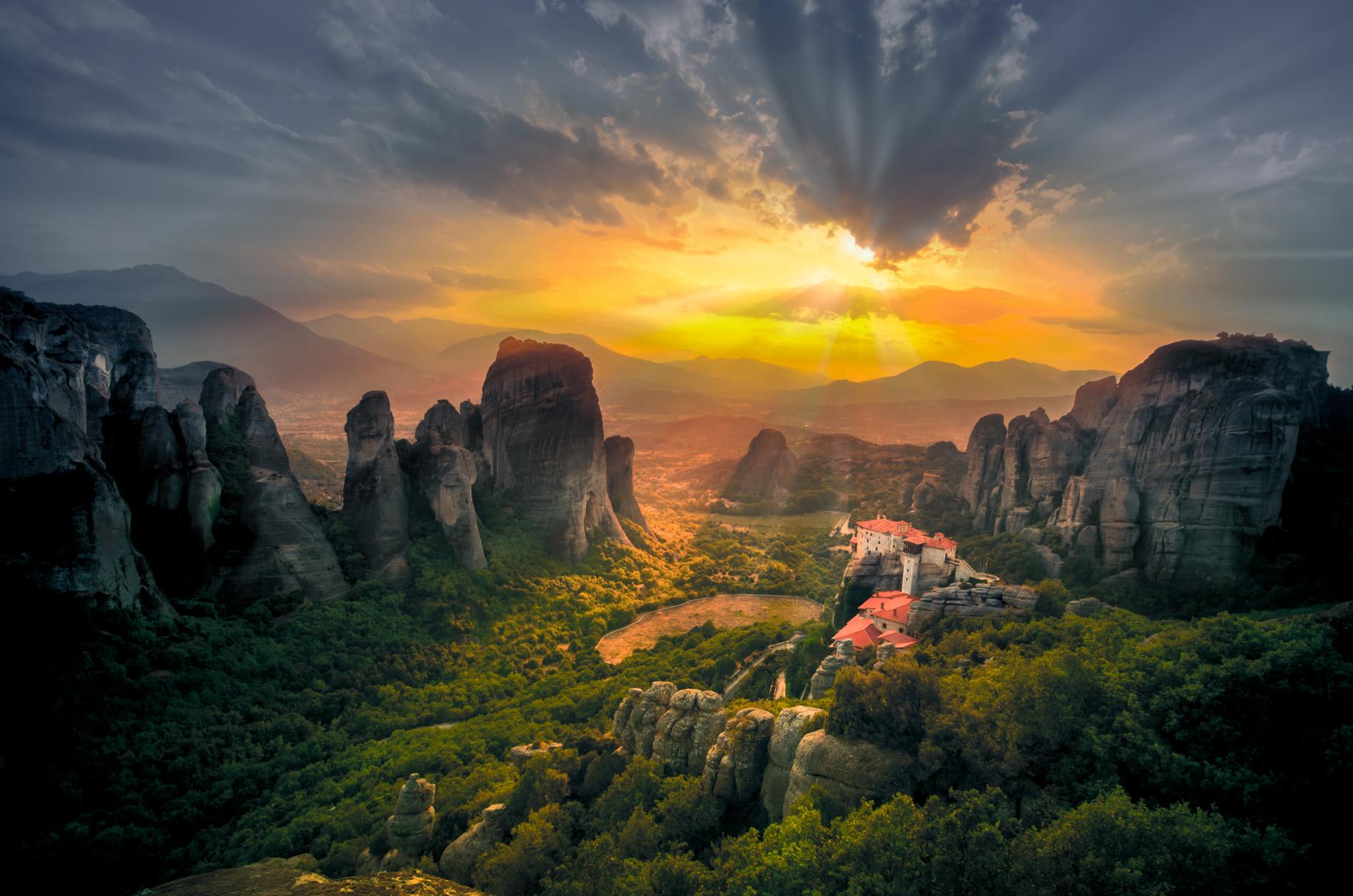
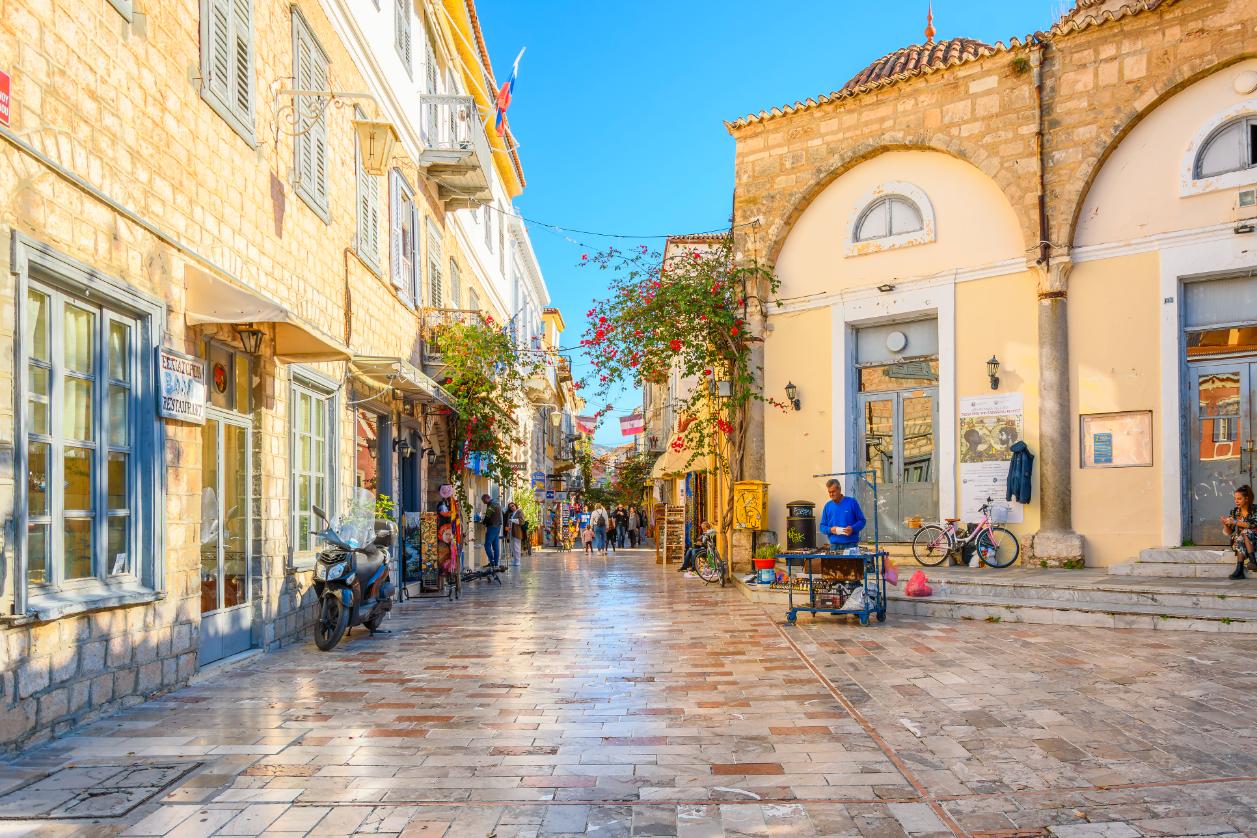
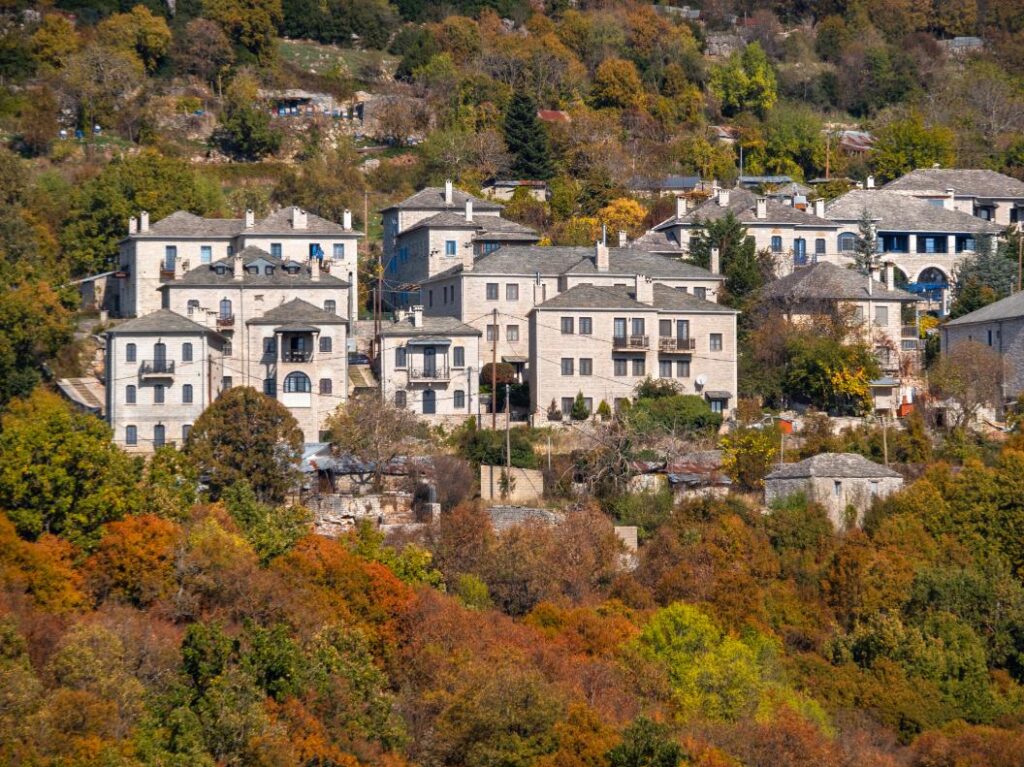
Macedonia, the historical and geographical region of northern Greece, is a land where ancient history and Christian heritage meet. Known as the birthplace of Alexander the Great and the starting point of St. Paul’s missionary journeys in Europe, Macedonia offers a unique cultural and spiritual experience. With vibrant cities, archaeological treasures, and strong religious traditions, this region is one of the most significant destinations for travelers seeking history, faith, and authenticity.
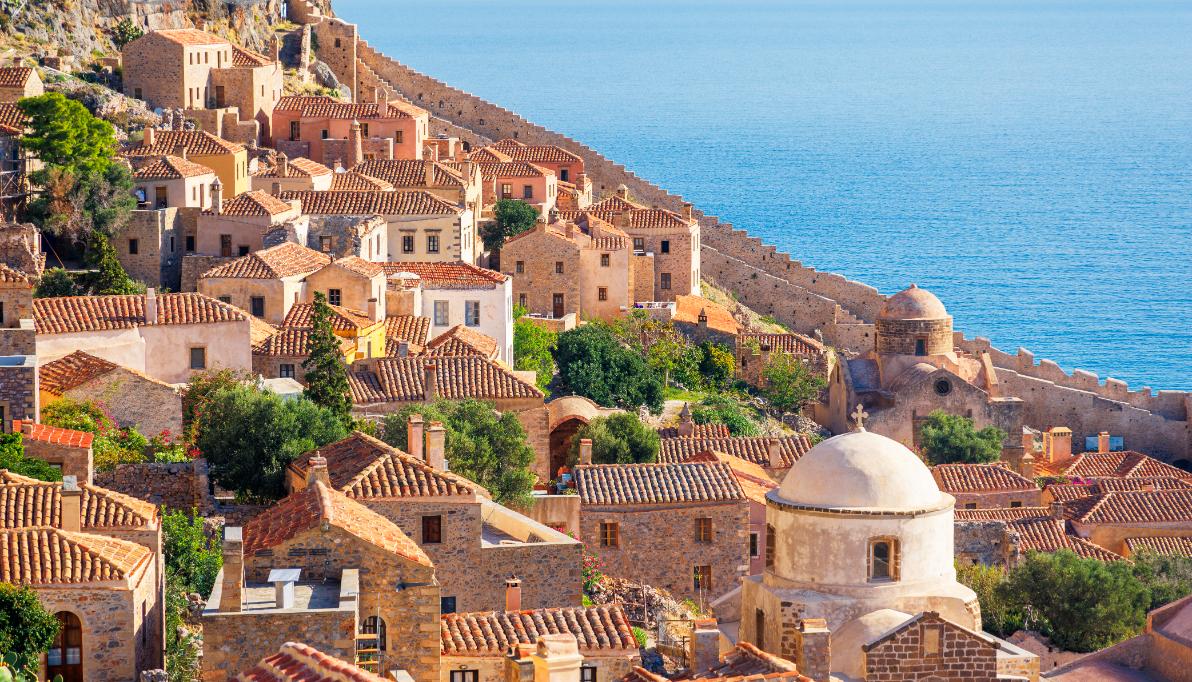
Macedonia stretches across northern Greece, bordered by the Aegean Sea to the south and surrounded by mountains, fertile plains, and rivers. The region’s diverse landscapes range from coastal towns like Kavala to inland cultural hubs like Thessaloniki and historic sites nestled among green valleys, such as Veria and Vergina.
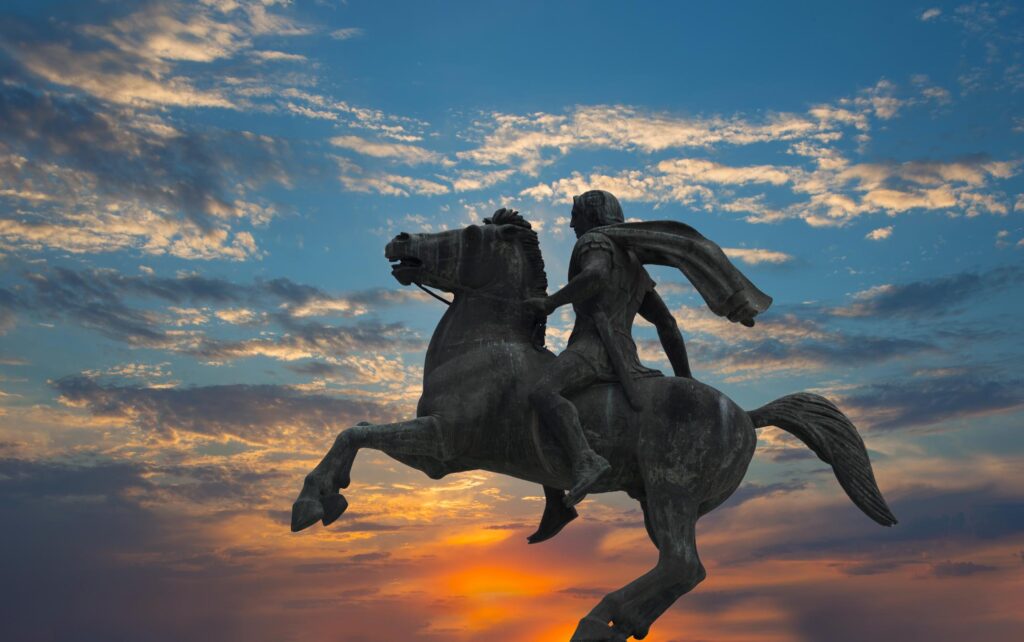
Macedonia has played a pivotal role in shaping the history of Greece and Europe. It was here that Philip II of Macedon united the Greek city-states, paving the way for his son, Alexander the Great, to build one of the largest empires of the ancient world. Later, during the Roman and Byzantine eras, Macedonia remained a cultural and political center. In the 1st century AD, the Apostle St. Paul preached in Philippi, Thessaloniki, and Veria, laying the intial foundations of Christianity in Europe. This dual legacy—classical and Christian—makes Macedonia a region of profound importance.
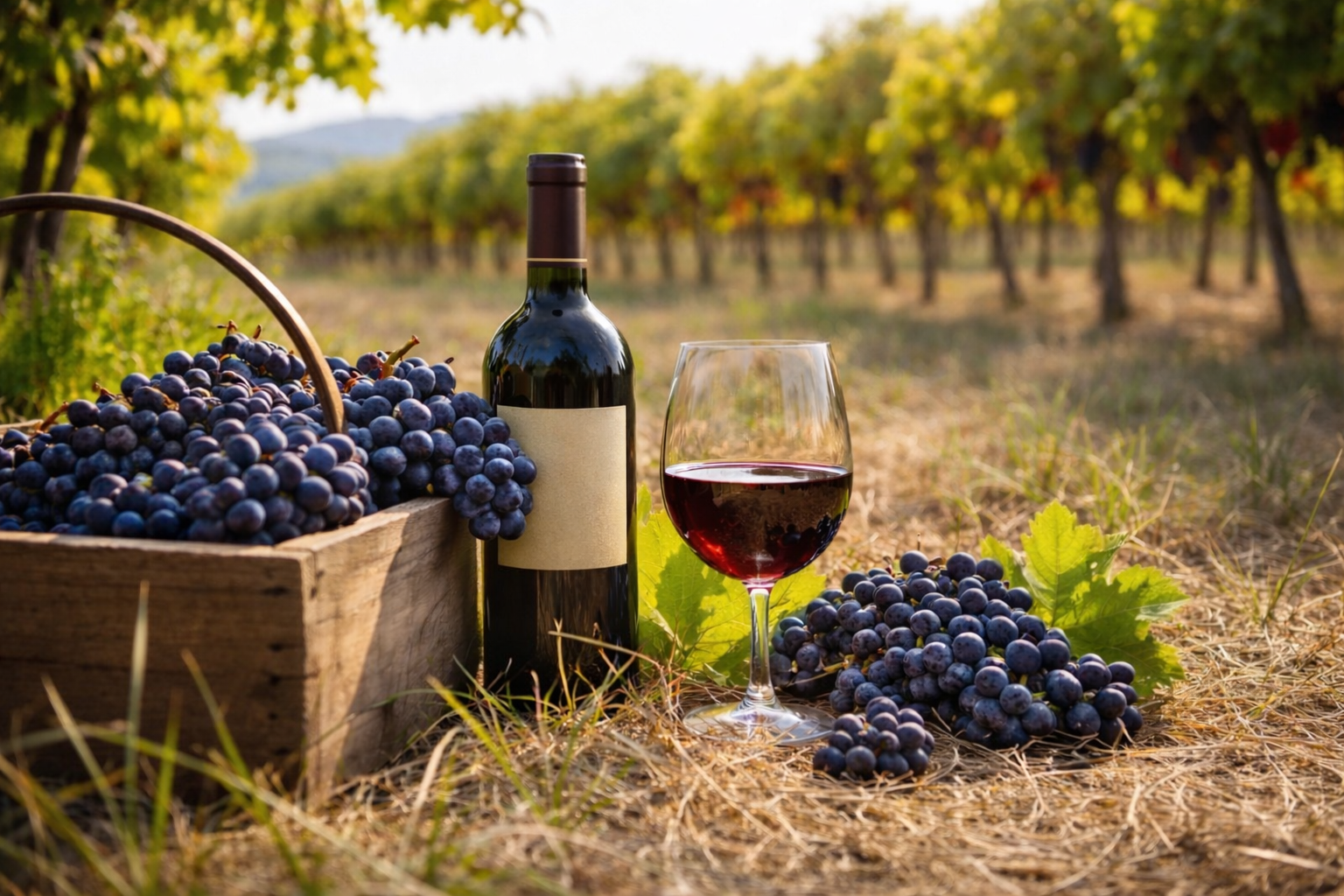
Modern Macedonia thrives on agriculture, industry, and tourism. Its fertile plains produce tobacco, cotton, cereals, wine, and fruits like apples, cherries and peaches, while its ports, particularly Thessaloniki and Kavala, are vital trade hubs. Tourism grows steadily thanks to the region’s historical, cultural, and religious heritage, as well as its natural beauty.
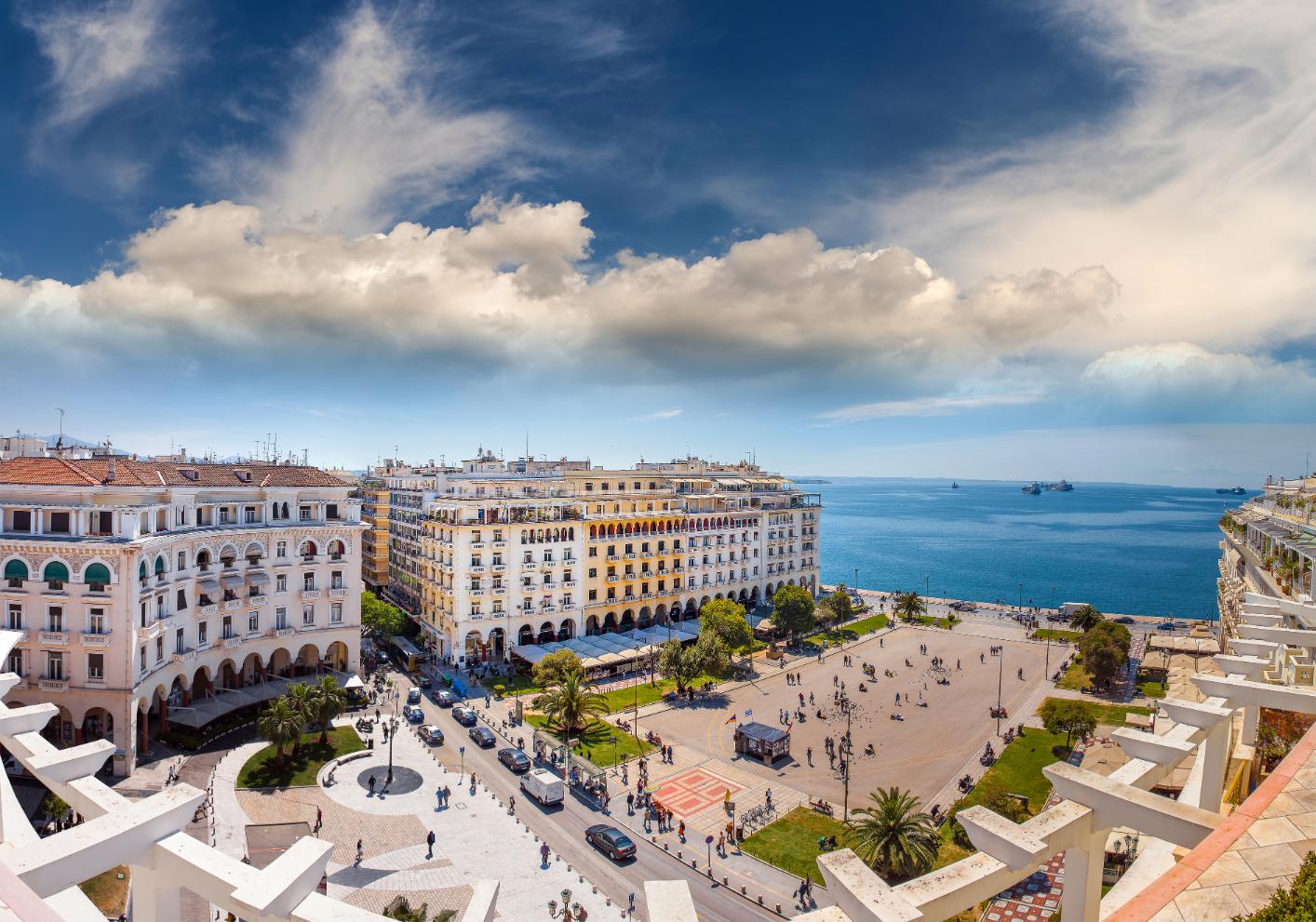
The capital of Macedonia and Greece’s second-largest city, Thessaloniki is a cosmopolitan metropolis rich in history. Roman monuments such as the Rotunda and Arch of Galerius, Byzantine churches like Agios Demetrios and Agia Sophia, and the medieval White Tower tell the story of the city’s long past. Thessaloniki is also closely linked to St. Paul, who preached here in 50 CE. Today, it remains a vibrant cultural capital known for its festivals, gastronomy, and youthful energy.
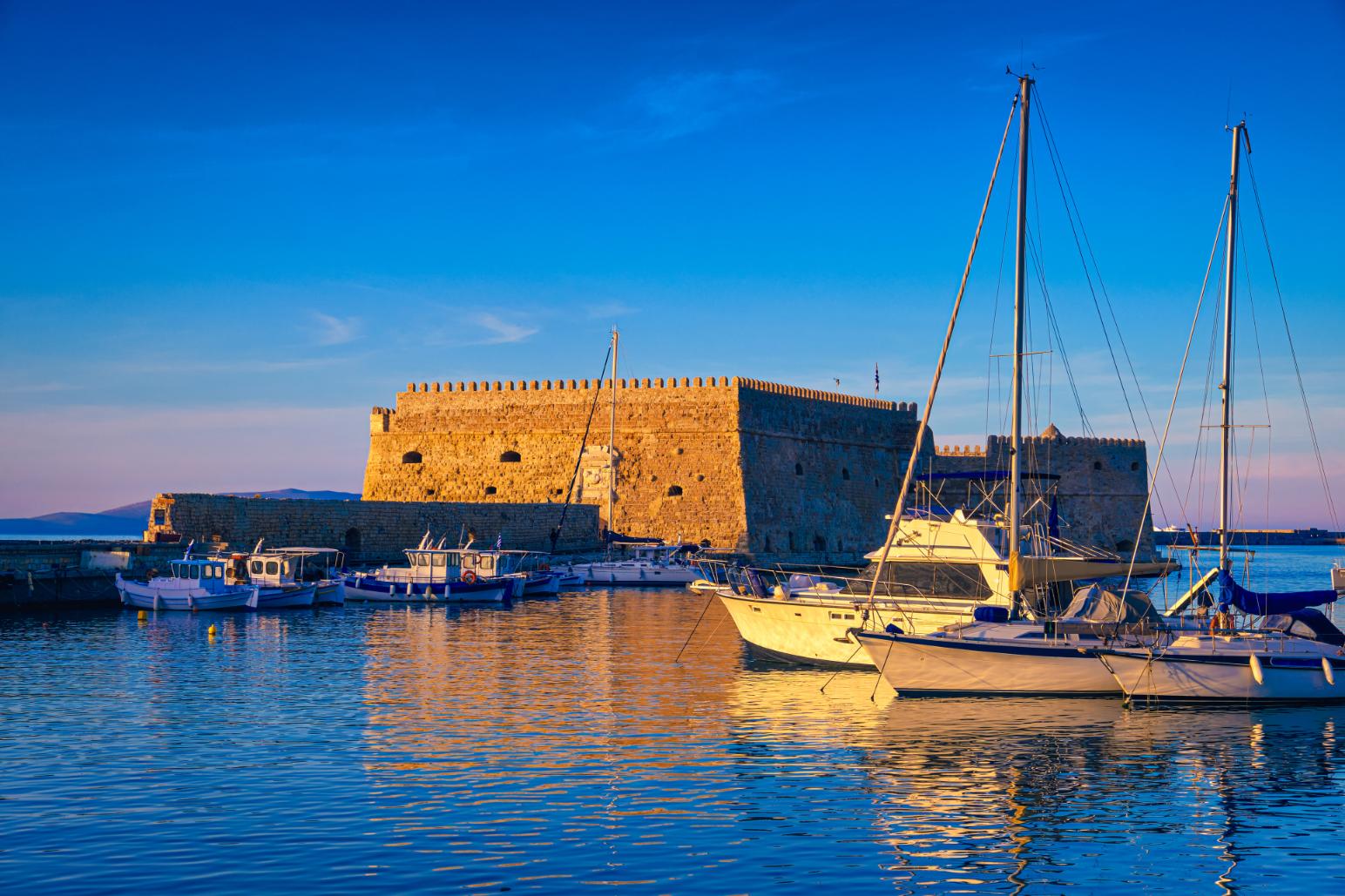
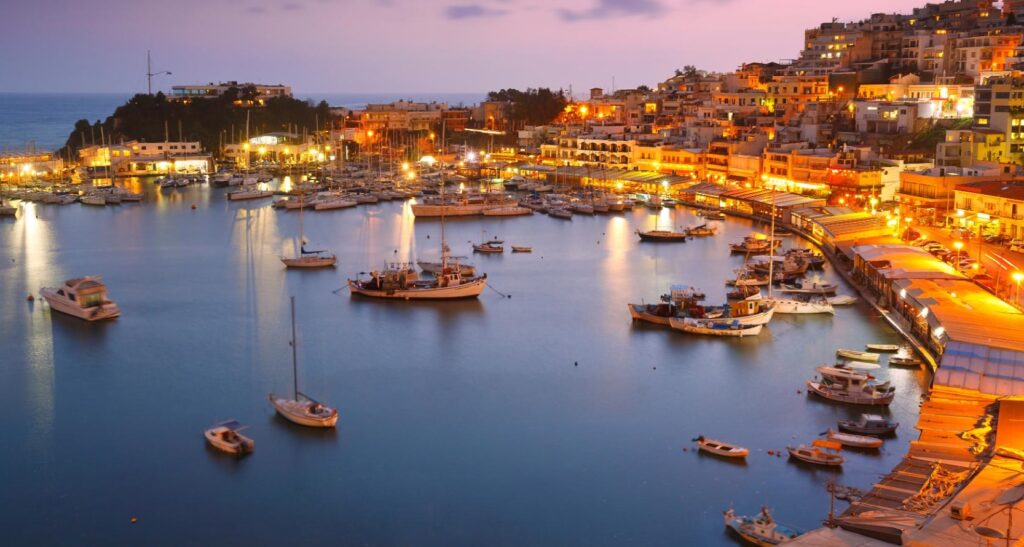
A picturesque port city on the Aegean coast, Kavala has long been a gateway between East and West. Its old town, with Ottoman aqueducts and Byzantine fortifications, overlooks a bustling harbor. Kavala is also significant in Christian history as the landing point of St. Paul in Europe. From here, he traveled inland to Philippi, beginning the spread of Christianity on the continent.
A UNESCO World Heritage Site, Philippi was founded by Philip II of Macedon and later became a thriving Roman colony. Its ruins include a theater, basilicas, and the forum. Most importantly, Philippi is where St. Paul baptized Lydia, the first European convert to Christianity, and established one of the earliest Christian communities in Europe. The site is a pilgrimage destination and hosts annual liturgies in memory of these events.
Known in antiquity as Berea, Veria is another city visited by St. Paul. He preached here in the synagogue, and the event is commemorated at the Altar of St. Paul, a modern monument and place of worship. Veria also boasts a charming old quarter with Byzantine churches, traditional houses, and a preserved Jewish quarter, reflecting its multicultural past.
Perhaps the most significant archaeological site in Macedonia, Vergina, ancient Aigai, was the first capital of the Macedonian kingdom. It is the burial site of Philip II, father of Alexander the Great. The Royal Tombs, discovered in 1977, include extraordinary treasures such as golden crowns, weapons, and artifacts, now displayed in the underground museum at Vergina. The site is a UNESCO World Heritage Site and a must-see for anyone interested in
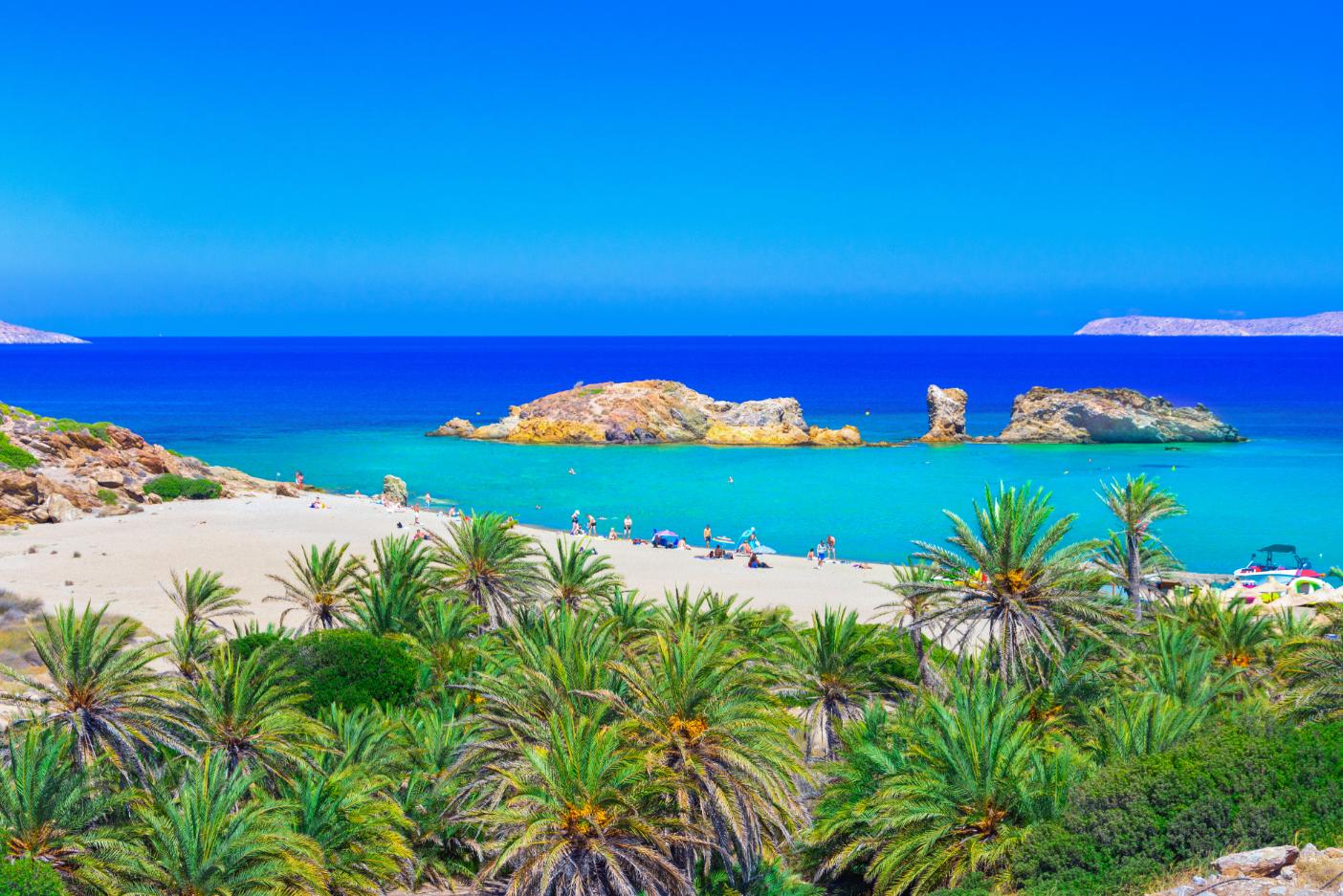
Halkidiki, south of Thessaloniki, is famous for its three peninsulas—Kassandra, Sithonia, and Athos—offering golden beaches, turquoise waters, pine forests, and charming seaside villages. Kassandra is lively and cosmopolitan, Sithonia wilder and ideal for nature lovers, while Athos is known for its spiritual heritage. With luxury resorts, traditional tavernas, and rich history, Halkidiki combines relaxation and culture, making it one of northern Greece’s most popular summer destinations.
Mount Athos, or Agio Oros, is a UNESCO World Heritage Site and one of Orthodox Christianity’s holiest places. Located on the third peninsula of Halkidiki, it is home to 20 monasteries and numerous hermitages. Accessible only to men with special permission, Athos has preserved centuries-old traditions, Byzantine treasures, and a deeply spiritual atmosphere. Its unique monastic community makes it a living museum of faith and ascetic life.
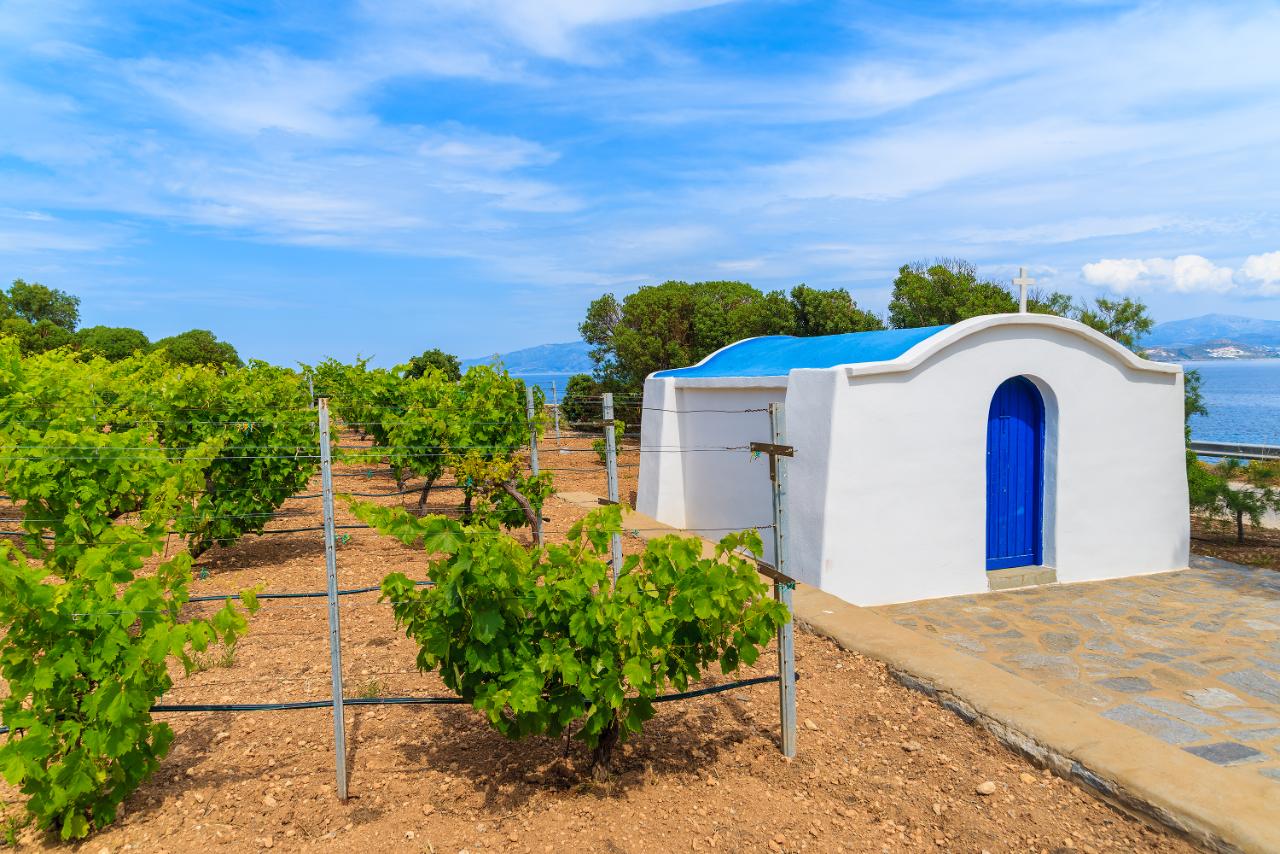
The Prespes Lakes, on the borders of Greece, Albania, and North Macedonia, are a haven of natural beauty and biodiversity. Surrounded by mountains and traditional villages, the lakes host rare bird species such as pelicans and herons, making them ideal for eco-tourism. Byzantine and post-Byzantine chapels dot the area, adding cultural charm. Prespes offers tranquility, hiking, and authentic hospitality in one of Greece’s most unspoiled landscapes.
Nestled by a serene lake and surrounded by mountains, Kastoria is renowned for its Byzantine churches, Ottoman mansions, and traditional fur trade. Its picturesque lakeside setting is perfect for strolls, while the old quarters reveal centuries of cultural wealth. Kastoria is also known for its lively festivals and gastronomy, making it a city where history, architecture, and nature combine harmoniously in northern Greece.
Mount Olympus, Greece’s highest peak and legendary home of the ancient gods, rises majestically on the border of Macedonia and Thessaly. Today, it is a national park and UNESCO Biosphere Reserve, attracting hikers and climbers from around the world. Trails lead through forests, gorges, and alpine landscapes, offering breathtaking views. Mythology, history, and natural beauty unite on Olympus, creating a destination of awe and inspiration.
Macedonia has a Mediterranean climate with continental influences.
Spring and Autumn: The best times to explore archaeological sites and cities in pleasant weather.
Summer: Warm and lively, with festivals and cultural events.
Winter: Cool, with opportunities to combine cultural tourism with nearby mountain excursions.
Macedonia is more than just a region; it is a living museum of Europe’s classical and Christian roots. From the legacy of Alexander the Great at Vergina to the footsteps of St. Paul in Philippi, Thessaloniki, and Veria, every corner tells a story of power, faith, and cultural exchange. Combined with lively cities like Thessaloniki and the coastal beauty of Kavala, Macedonia offers travelers an experience that is both enriching and unforgettable.
We’d like to occasionally send you news, offers and updates. To join our mailing list enter your email address in this box and look out for a confirmation in your inbox.