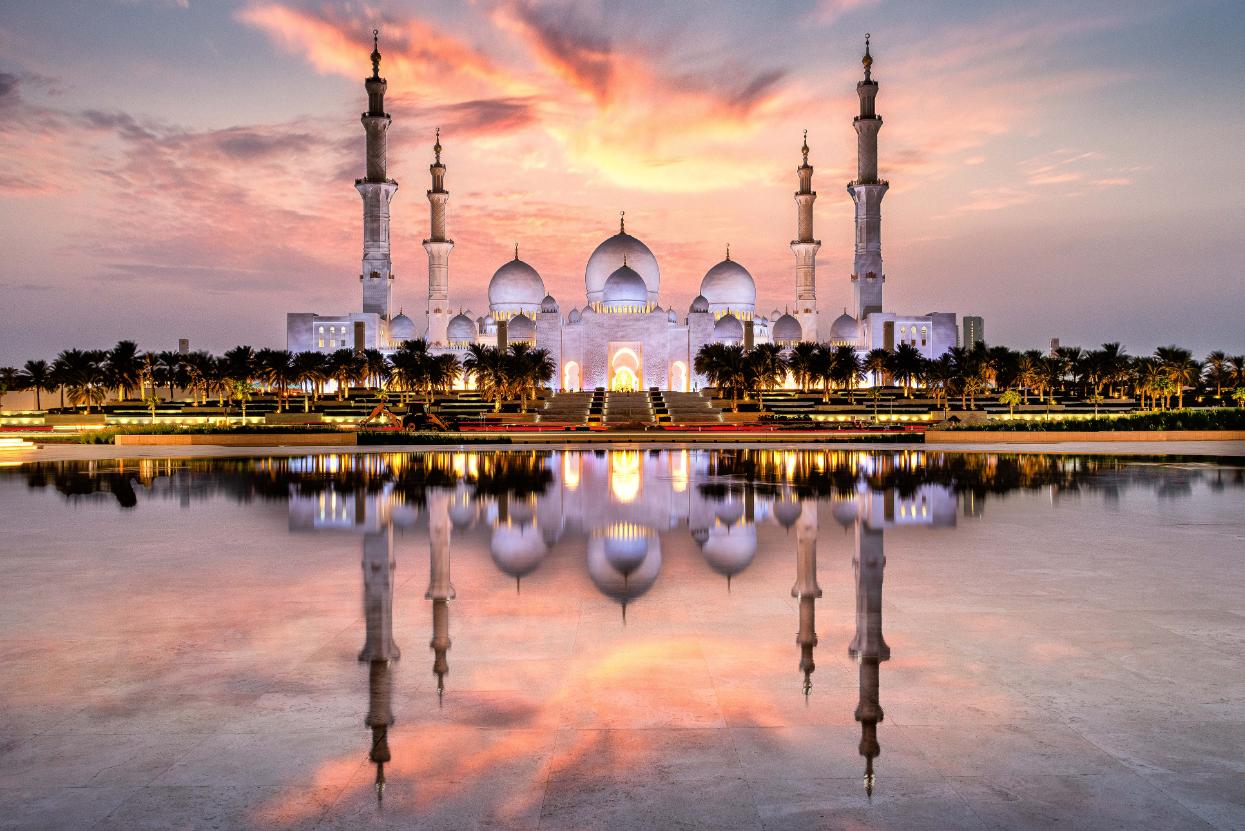
Abu Dhabi: The Authentic & Cosmopolitan Capital
Abu Dhabi, the capital of the United Arab Emirates, is a dynamic city that blends modern luxury, cultural heritage, and natural beauty. Situated on an island in the Persian Gulf, Abu Dhabi is both the political and cultural heart of the UAE, offering travelers a mix of skyscrapers, pristine beaches, desert landscapes, and world-class cultural attractions.
Geography and Location
Abu Dhabi occupies a large island connected to the mainland by bridges, with the surrounding Persian Gulf coastline offering beaches, waterfront promenades, and mangroves. The city also has easy access to the desert landscapes of the interior, providing opportunities for adventurous excursions and eco-tourism.
History & Heritage
Historically a small fishing and pearl-diving village, Abu Dhabi transformed in the 20th century with the discovery of oil. Today, it is a global hub of commerce, culture, and tourism, while maintaining strong links to its Bedouin heritage. Traditional markets, mosques, and desert culture coexist alongside futuristic architecture and luxury resorts.
Economy
Abu Dhabi’s economy is driven by oil, finance, tourism, and real estate, but the government has invested heavily in diversification. Today, sectors such as cultural tourism, entertainment, renewable energy, and aviation are growing rapidly. The city attracts international investors, entrepreneurs, and travelers seeking a unique combination of modernity and tradition.
Tourism in Abu Dhabi
Abu Dhabi is a destination of contrasts, where you can explore state-of-the-art museums, desert dunes, luxury resorts, and traditional souks all in one trip. Whether you seek culture, adventure, relaxation, or shopping, Abu Dhabi offers world-class experiences.
Key Attractions
-
Sheikh Zayed Grand Mosque: One of the world’s largest mosques, renowned for its stunning architecture, white marble, and intricate mosaics.
-
Louvre Abu Dhabi: A cultural landmark housing art from across civilizations, blending modern design with the city’s heritage.
-
Qasr Al Watan: The magnificent presidential palace showcasing Arab architecture, heritage, and governance.
-
Ferrari World Abu Dhabi: The ultimate theme park for thrill-seekers, home to the fastest roller coaster in the world.
-
Corniche: A scenic waterfront with beaches, cycling paths, and parks ideal for leisure and family outings.
-
Saadiyat Island: A hub for culture and luxury, including beaches, resorts, and art centers.
-
Desert Safaris: Explore the dunes, ride camels, enjoy sandboarding, and experience Bedouin-style evenings with traditional food and entertainment.
Activities
-
Cultural Tours: Visit mosques, museums, and heritage villages to experience Emirati traditions.
-
Luxury Shopping: Explore high-end malls, designer boutiques, and traditional souks.
-
Beach and Water Sports: Relax on pristine beaches or enjoy kayaking, jet skiing, and paddleboarding.
-
Desert Adventures: Dune bashing, camel rides, stargazing, and Bedouin-style dinners.
-
Entertainment and Festivals: Attend global events like Abu Dhabi Film Festival, Formula 1 Grand Prix, and music festivals.
Climate and Best Time to Visit
Abu Dhabi has a desert climate:
-
Summer (May – September): Extremely hot with temperatures often above 40°C.
-
Winter (November – March): Mild and pleasant, ideal for outdoor activities, sightseeing, and desert excursions.
-
Spring/Autumn (April & October): Warm but comfortable, great for exploring the city and coastline.
The best time to visit is from November to March, when temperatures are moderate and outdoor experiences are most enjoyable.
Abu Dhabi is a perfect blend of heritage and modernity, offering visitors a sophisticated, culturally rich, and adventurous experience. From majestic mosques and world-class museums to desert landscapes and luxury resorts, Abu Dhabi is a destination where tradition meets innovation.
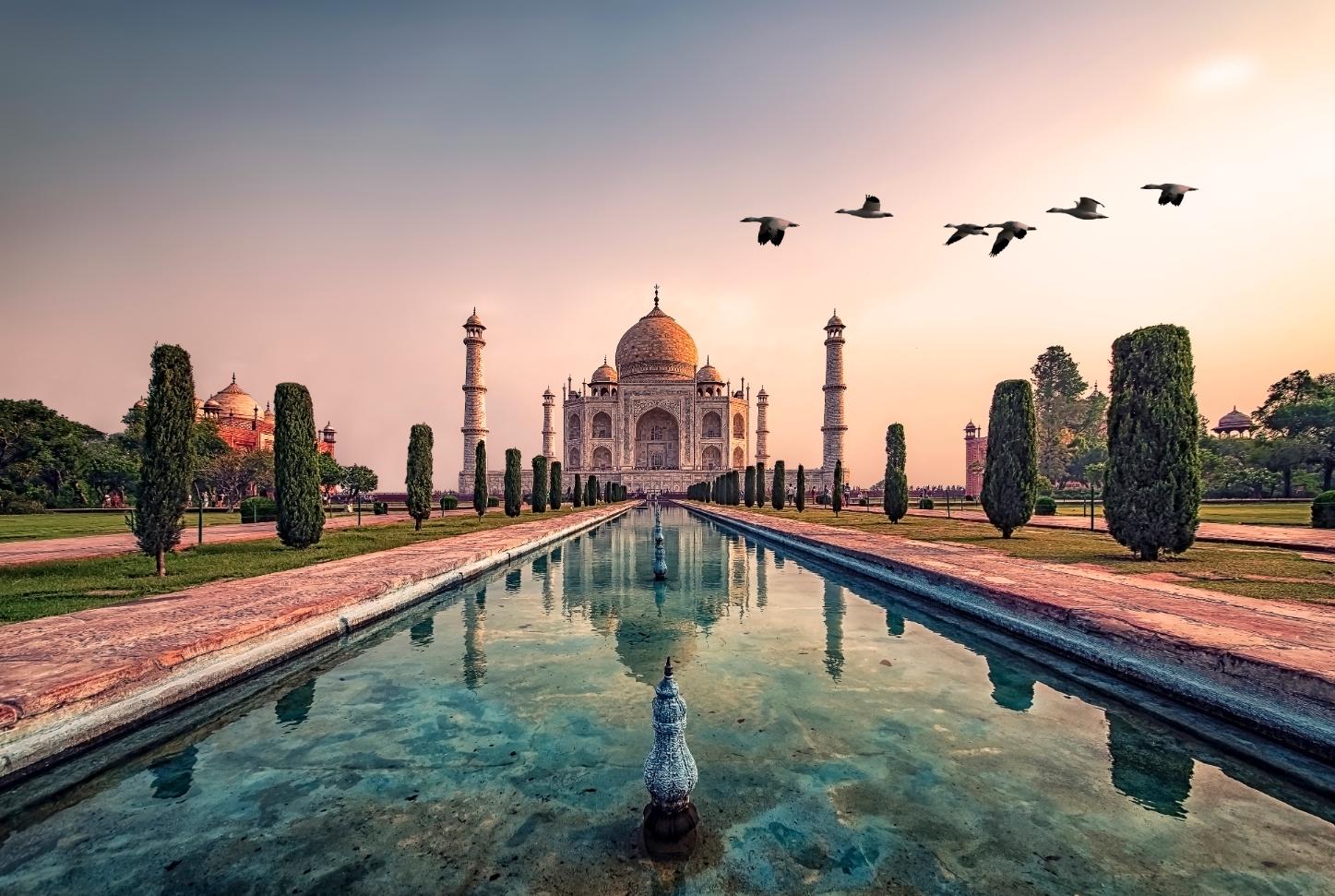
Agra & the Taj Mahal – The Pearl of India
Agra, set on the banks of the Yamuna River in Uttar Pradesh, northern India, is one of the country’s most iconic destinations. Just 200 km southeast of Delhi, it forms part of India’s famous “Golden Triangle” (Delhi – Agra – Jaipur), one of the most popular travel circuits in the country.
History & Heritage
Agra flourished in the 16th and 17th centuries as the capital of the Mughal Empire under emperors Akbar, Jahangir, and Shah Jahan. This golden age left behind a city filled with magnificent monuments, mosques, and palaces that reflect the empire’s power and artistic brilliance.
The Taj Mahal – A Wonder of the World
The crown jewel of Agra – and perhaps of all India – is the Taj Mahal, recognized as one of the Seven Wonders of the Modern World and a UNESCO World Heritage Site.
Commissioned in the 17th century by Emperor Shah Jahan in memory of his beloved wife Mumtaz Mahal, the white marble mausoleum is adorned with precious stones, intricate calligraphy, and elegant geometric designs. Its symmetrical gardens, reflecting pools, and grand entrance complete one of the most breathtaking architectural masterpieces in the world. More than just a monument, the Taj Mahal is an eternal symbol of love and devotion.
Other Must-See Attractions in Agra
While the Taj Mahal is the star, Agra boasts many other treasures:
-
Agra Fort – A UNESCO site with palaces, courtyards, and mosques showcasing Mughal grandeur.
-
Fatehpur Sikri – The abandoned Mughal capital, 40 km from Agra, known for its fusion of Islamic and Hindu architecture.
-
Itimad-ud-Daulah’s Tomb – Nicknamed the “Baby Taj,” a precursor to the design of the Taj Mahal.
Travelers can also enjoy strolling through bustling bazaars filled with marble handicrafts, traditional textiles, and colorful souvenirs, or indulge in local delicacies such as the famous sweet petha.
Best Time to Visit
Agra has a hot climate, with summer temperatures often exceeding 40°C. The best season to explore the city is October to March, when the weather is mild and ideal for sightseeing.
A Timeless Destination
Agra and the Taj Mahal are must-see highlights of any journey to India. With its rich history, architectural wonders, and timeless atmosphere, Agra leaves every traveler with unforgettable memories – and the Taj Mahal continues to inspire as the world’s greatest monument to love.
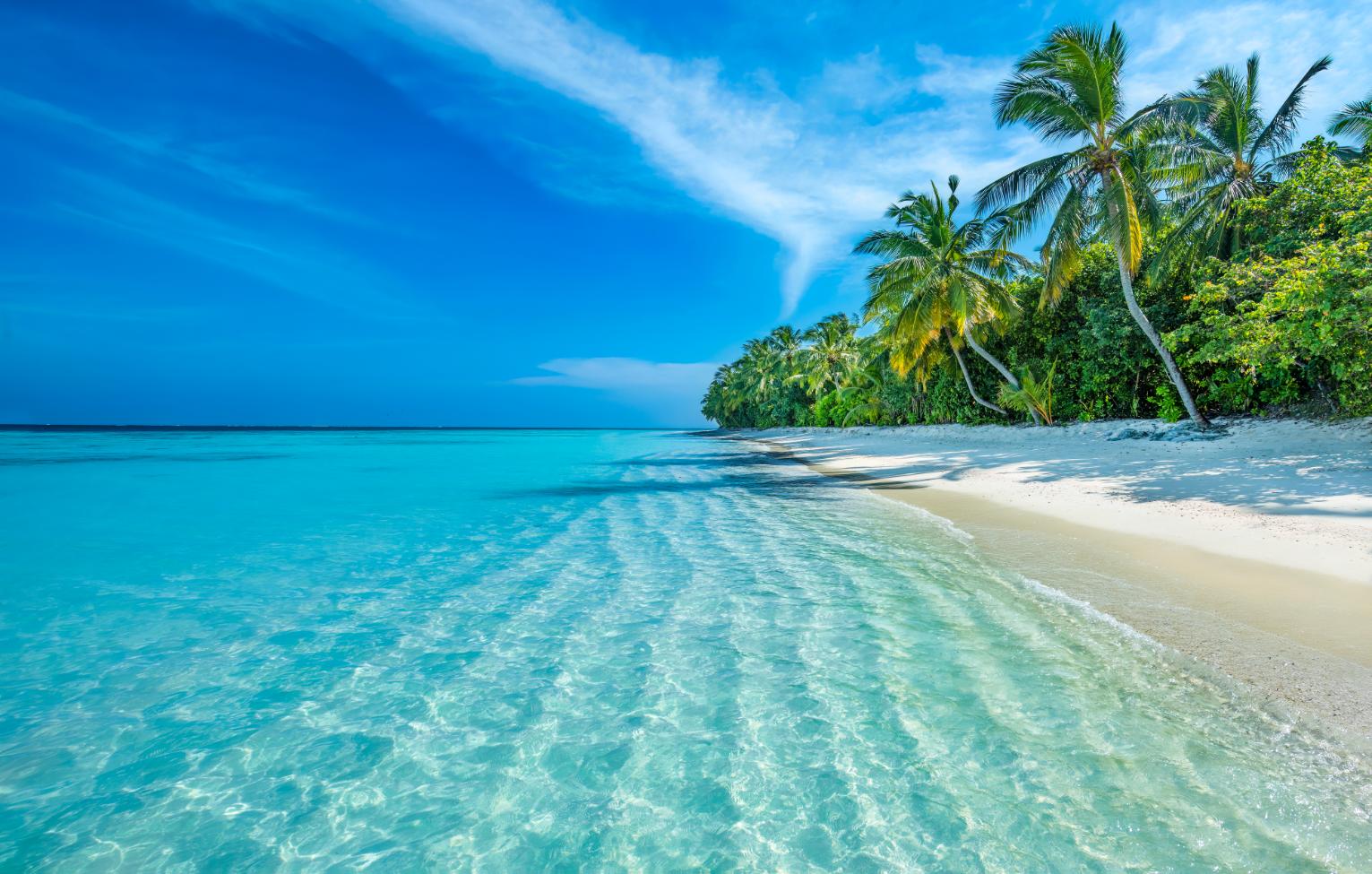
Andaman Islands – India’s Tropical Paradise
The Andaman Islands, an archipelago of around 300 islands and islets in the Bay of Bengal, are among the most enchanting and exotic destinations in India. With crystal-clear waters, white sandy beaches, lush greenery, and incredible biodiversity, the Andamans offer the perfect blend of relaxation, adventure, and natural beauty.
Geography and Location
Situated about 1,200 km from mainland India and close to Myanmar and Thailand, the islands form part of the Union Territory of Andaman and Nicobar, with Port Blair as the capital. Covered in tropical forests and fringed by coral reefs, they are home to some of the most stunning coastlines in the world.
History & Heritage
The Andamans have been inhabited for thousands of years by indigenous tribes who preserve their unique cultural identity. During colonial times, the British used the islands as a penal settlement for Indian freedom fighters – the infamous Cellular Jail in Port Blair now stands as a national monument of resistance and independence. Today, the islands symbolize both history and the harmonious coexistence of culture and nature.
Tourism & Highlights
A haven for nature lovers, divers, and beach seekers, the Andamans combine tranquility with adventure. The crystal waters, vibrant coral reefs, and unspoiled landscapes attract travelers from across the world.
Must-Visit Places
-
Havelock Island (Swaraj Dweep): Famous for Radhanagar Beach, ranked among the world’s most beautiful, and a hotspot for diving, snorkeling, and pure relaxation.
-
Neil Island (Shaheed Dweep): A quieter, more laid-back island with pristine beaches and tropical charm.
-
Cellular Jail, Port Blair: A historic landmark narrating the story of India’s freedom struggle.
-
Ross Island: Former British administrative hub, now a hauntingly beautiful site of colonial ruins.
-
North Bay Island: Known for its colorful reefs and glass-bottom boat rides.
-
Baratang Island: Famous for limestone caves and unique mud volcanoes.
Activities
-
Scuba diving and snorkeling among coral reefs teeming with marine life.
-
Water sports such as kayaking, jet skiing, and sport fishing.
-
Jungle treks through tropical forests rich in flora and fauna.
-
Island-hopping cruises for diverse landscapes and experiences.
-
Birdwatching and eco-friendly adventures in nature.
Best Time to Visit
The Andamans have a tropical climate, with year-round temperatures between 24°C and 32°C.
-
Winter (October – February): The best season, with cool breezes, calm seas, and comfortable weather.
-
Summer (March – May): Warm and humid, but great for water activities.
-
Monsoon (June – September): Heavy rains and rough seas make this the least favorable time for travel.
A Hidden Gem of India
The Andaman Islands are a true tropical paradise for those seeking something different – far from the crowds and closer to nature. With turquoise waters, pristine beaches, fascinating history, and endless adventures, the Andamans promise a journey that is as relaxing as it is unforgettable.

Delhi – The Heart of India
Delhi, the capital of India, is one of the world’s most dynamic and fascinating metropolises. A political, cultural, and economic hub, the city seamlessly blends ancient heritage with modern development. Stretching along the Yamuna River in northern India, Delhi is divided into two main parts: Old Delhi, with its historic monuments and bustling bazaars, and New Delhi, the British-designed capital with wide boulevards, government buildings, and modern infrastructure.
History & Heritage
With a history spanning over 2,000 years, Delhi has served as the capital of several empires – from the Mauryas and Guptas to the Delhi Sultans and later the mighty Mughal dynasty. The city reached great glory under Emperor Shah Jahan, who built the Red Fort and Jama Masjid, India’s largest mosque. In the 19th century, Delhi came under British rule and in 1911 was chosen as the new capital of India, replacing Calcutta. After independence in 1947, Delhi became the administrative and cultural heart of the nation.
Economy & Modern Life
Today, Delhi is one of India’s most important economic centers, home to Parliament, ministries, and foreign embassies. Its economy thrives in trade, IT, education, textiles, jewelry, and handicrafts, while it also boasts some of the country’s busiest retail and business markets. The city is a vibrant mix of tradition and modernity.
Tourism in Delhi
Tourism plays a vital role in Delhi’s identity. The city offers a rich mosaic of UNESCO World Heritage sites, colorful markets, diverse cuisines, and a vibrant cultural scene that draws visitors from across the globe.
Must-See Attractions
-
Red Fort (Lal Qila): Iconic Mughal fortress built from red sandstone.
-
Jama Masjid: The largest mosque in India with panoramic city views.
-
India Gate: War memorial arch dedicated to Indian soldiers of World War I.
-
Qutub Minar: UNESCO-listed, the tallest stone minaret in India.
-
Lotus Temple: A modern Bahá’í temple with lotus-inspired design.
-
Humayun’s Tomb: A Mughal masterpiece that inspired the Taj Mahal.
-
Chandni Chowk & Connaught Place: Legendary markets offering everything from spices and fabrics to modern boutiques and cafés.
Experiences Not to Miss
-
Exploring historic sites, forts, and museums.
-
Tasting Delhi’s famous street food (parathas, chaat, kebabs) or dining in fine restaurants.
-
Shopping in traditional bazaars and stylish malls.
-
Watching live performances of classical dance, music, and theatre.
-
Taking excursions to nearby highlights like Agra (Taj Mahal) or Jaipur, completing the iconic Golden Triangle tour – India’s most popular travel circuit.
Best Time to Visit
Delhi has a continental climate with hot summers, humid monsoons, and cool winters.
-
Summer (April – June): Extremely hot, with temperatures over 40°C.
-
Monsoon (July – September): Heavy rainfall and high humidity.
-
Winter (November – February): Mild to chilly, the best season for sightseeing.
October to March is the most pleasant period to visit, with comfortable weather for exploring both Old and New Delhi.
A City of Contrasts
Delhi is a city where the past and present coexist in harmony – Mughal monuments stand alongside modern skyscrapers, traditional markets buzz near luxury malls, and centuries-old traditions thrive in a globalized capital. A journey to Delhi is not just a visit to India’s capital, but an immersion into the country’s history, culture, and vibrant spirit.

Dubai: The City of the Future in the Heart of the Desert
Dubai, one of the seven emirates of the United Arab Emirates, is today one of the most impressive and cosmopolitan destinations in the world. From a small fishing village on the shores of the Arabian Gulf, it has grown into a global hub for trade, tourism, and innovation, renowned for its luxury, skyscrapers, and futuristic developments.
Geography & Location
Dubai lies on the southeastern coast of the Arabian Peninsula, strategically positioned between Asia, Europe, and Africa. Its location has made it a global crossroads for transport and commerce. The landscape combines vast desert dunes with turquoise beaches and spectacular man-made islands.
History
For centuries, Dubai’s people were engaged in fishing, pearl trading, and seafaring. The discovery of oil in the 1960s marked a turning point, but true prosperity came through economic diversification. With strategic investments in tourism, commerce, transport, and financial services, Dubai has evolved into a global hub of innovation and entrepreneurship.
Economy
Today, Dubai’s economy is driven not by oil but by services, tourism, real estate, and international trade. Dubai International Airport and Jebel Ali Port rank among the busiest in the world, while free-trade zones attract thousands of foreign businesses. The city is also a premier destination for international exhibitions, conferences, and high-tech investment.
Tourism in Dubai
Dubai is synonymous with luxury, blending Arabian tradition with cutting-edge experiences.
Highlights & Landmarks
-
Burj Khalifa: The tallest skyscraper in the world.
-
Burj Al Arab: The iconic sail-shaped hotel, a global symbol of luxury.
-
Dubai Mall: One of the world’s largest shopping centers, with an aquarium and theme attractions.
-
Palm Jumeirah: A man-made island offering luxury resorts and villas.
-
Dubai Marina: A modern district with a waterfront promenade and vibrant nightlife.
-
Deira & Al Fahidi: Traditional quarters with spice and gold souks, plus cultural museums.
-
Dubai Frame: A striking landmark bridging old and new Dubai.
Activities
-
Desert safari with 4×4 rides, camel trekking, and dinner under the stars.
-
Dinner cruise along Dubai Creek or Marina.
-
Exploring the old town and traditional souks.
-
Shopping in both traditional markets and world-class malls.
-
Visiting museums, exhibitions, and international festivals such as the Dubai Shopping Festival.
Climate & Best Time to Visit
Dubai has a tropical desert climate.
-
Summer (June – September): Extremely hot, with temperatures above 40°C (104°F).
-
Winter (November – March): The best season to visit, with pleasant temperatures between 20–30°C (68–86°F).
-
Spring & Autumn: Warm transitional periods with fewer crowds.
✨ Dubai is a city of wonders, astonishing in its pace of growth and ambition. From desert landscapes and rich traditions to artificial islands and record-breaking skyscrapers, it offers unforgettable experiences for every traveler—whether seeking shopping, adventure, fine dining, or relaxation.
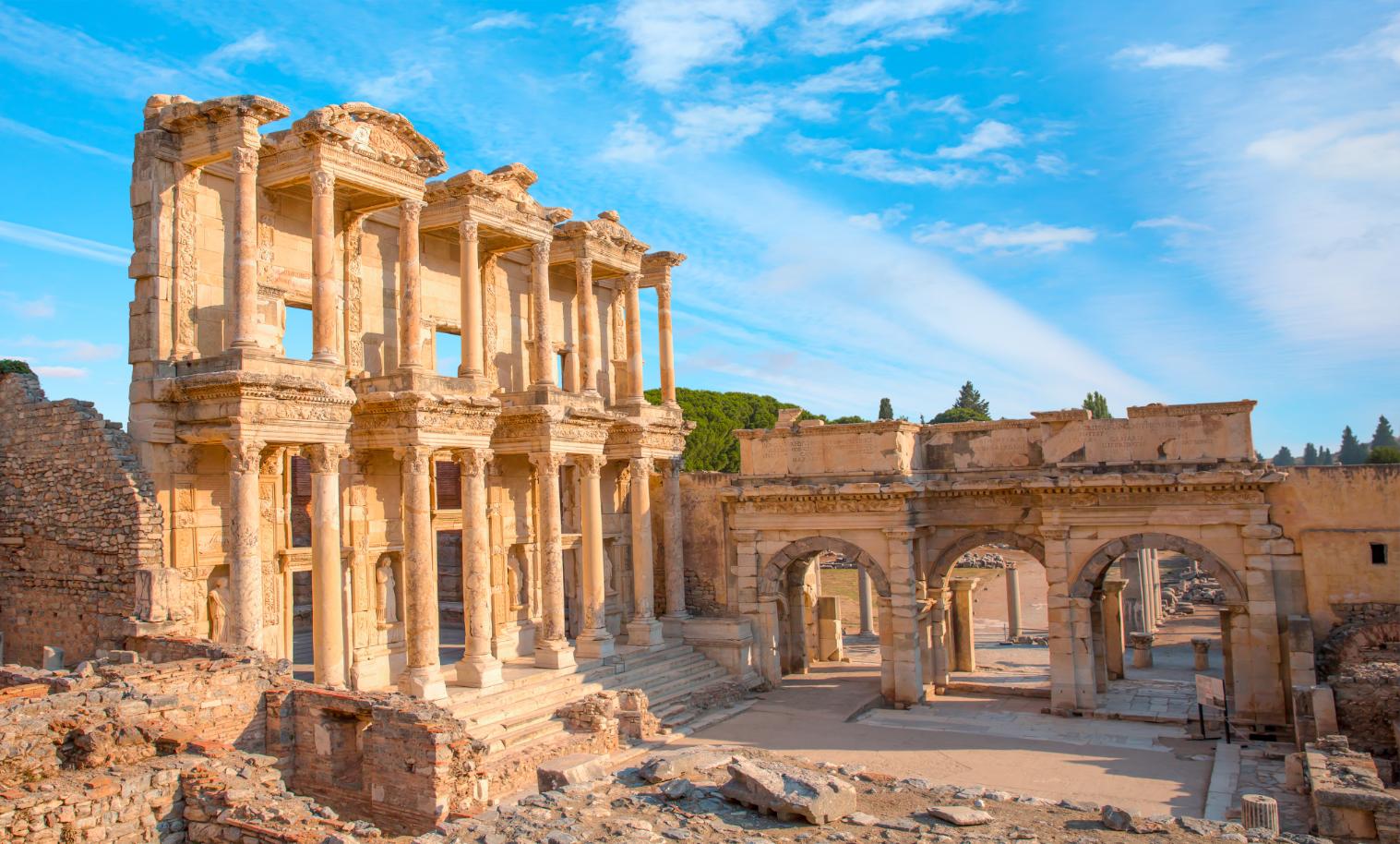
Ephesus: One of the Greatest Cities of the Ancient World
Ephesus, located on the western coast of modern-day Türkiye, is one of the most remarkable archaeological sites in the Eastern Mediterranean. Once a thriving Roman metropolis and a major center of early Christianity, it combines monumental ruins with a deep historical resonance. Nestled in a fertile valley near the Aegean Sea, Ephesus offers visitors an unforgettable journey through grand architecture, ancient traditions, and cultural heritage. Its impressive remains and spiritual legacy make it a must-visit destination for history lovers, pilgrims, and travelers with an interest in classical antiquity.
Geography and Landscape
Situated near the town of Selçuk, Ephesus lies in a lush plain close to the Küçük Menderes River. The surrounding hills and farmlands create a picturesque setting, allowing visitors to explore the archaeological zone in a peaceful natural environment. The region enjoys a mild Mediterranean climate, with warm summers and pleasant spring and autumn months, making it ideal for outdoor exploration.
History & Heritage
Ephesus dates back to the 10th century BC and flourished under the Greeks and later the Romans, becoming one of the largest and most prosperous cities of the empire. It was home to the Temple of Artemis, one of the Seven Wonders of the Ancient World, and played an important role as a commercial and cultural hub. The city is also central to Christian heritage: St. Paul lived and preached here, and the early Christian community left a strong legacy. Its urban layout, monumental buildings, and preserved streets make Ephesus a UNESCO World Heritage Site and one of the most evocative windows into ancient civilization.
Attractions
Visitors to Ephesus can discover many extraordinary highlights:
- Library of Celsus: A stunning façade and one of the most iconic structures of the ancient world.
- Great Theater: Capable of holding 25,000 spectators, it is believed to be where St. Paul addressed the crowd.
- Marble Street & Curetes Street: Atmospheric ancient avenues lined with temples, fountains, and grand houses.
- Temple of Hadrian: A beautifully decorated monument showcasing Roman artistry.
- Terrace Houses: Luxuriously decorated residences that reveal insights into elite life in Roman times.
- House of the Virgin Mary: A sacred Christian site believed to be the final home of the Virgin Mary.
- Temple of Artemis: The remains of the legendary sanctuary, once one of the Ancient World’s greatest wonders.
Activities and Experiences
Exploring Ephesus allows travelers to immerse themselves in both history and spirituality. Walking through its marble streets, admiring intricate mosaics, or visiting nearby sacred sites creates a complete cultural journey. The nearby town of Selçuk offers charming cafés, local markets, and handicraft workshops, while the surrounding countryside is dotted with vineyards, orchards, and traditional villages. Day trips to the Aegean coast or nearby historic sites can complement the experience.
Climate and Best Time to Visit
Ephesus enjoys a warm Mediterranean climate, with hot summers and mild winters. The ideal periods to visit are spring and autumn, when temperatures are comfortable and the site is less crowded. Summer visits are also popular, though exploring during early morning or late afternoon is recommended to avoid high heat.
Ephesus is more than an ancient city—it’s a powerful symbol of cultural achievement, spiritual history, and architectural brilliance. Its temples, theaters, and sacred sites transport visitors back to the height of Roman civilization and early Christianity, offering a moving and enriching journey through time.

Indian Himalayas – Ladakh: On the Throne of Heaven
The region of Ladakh, in northern India, is considered one of the most magical and unique destinations in the country. Located in the union territory of Jammu & Kashmir, on the borders with Tibet and Pakistan, it is often called “Little Tibet” thanks to its cultural and spiritual identity. With breathtaking landscapes, monasteries perched on hills, and lakes situated at altitudes of over 4,000 meters, Ladakh is a destination where adventure meets spirituality.
Geography & Location
Ladakh is defined by dramatic mountain ranges, high-altitude deserts, glaciers, and valleys carved by rivers such as the Indus and the Zanskar. Its capital, Leh, sits at about 3,500 meters and serves as the gateway to exploring the region.
History
Once an important stop along the Silk Road, Ladakh welcomed caravans carrying silk, spices, and precious stones between China and Central Asia. The region developed strong Buddhist traditions, with monasteries dating back to the 11th century. Today, Tibetan Buddhism remains deeply rooted, while Ladakh also holds strategic and cultural importance for India.
Economy
The local economy relies mainly on tourism and agriculture. Barley cultivation and yak herding remain traditional livelihoods, while handicrafts such as handwoven textiles, jewelry, and Tibetan art sustain village life. Tourism—both domestic and international—flourishes in the summer months, providing the main source of income for many families.
Tourism in the Indian Himalayas (Ladakh)
Ladakh is a paradise for nature lovers, trekkers, photographers, and seekers of inner peace. Its landscapes feel otherworldly, shifting from snow-capped peaks to high-altitude deserts and azure lakes.
Main Attractions
-
Leh: The capital, with its traditional bazaar, Leh Palace, and the monasteries of Thiksey and Hemis.
-
Nubra Valley: Famous for the sand dunes of Hunder, Bactrian camel rides, and the Diskit Monastery.
-
Pangong Tso Lake: One of the world’s most photographed lakes, changing colors with the light, at 4,350m altitude.
-
Tso Moriri Lake: More remote and serene, rich in birdlife and surrounded by majestic landscapes.
-
Zanskar River: Known for rafting and the winter “Chadar Trek” across its frozen surface.
-
Monasteries: Hemis, Alchi, Lamayuru, and Thiksey are among the most significant Buddhist centers in the region.
Activities
-
Trekking through iconic routes such as the Markha Valley Trek.
-
Rafting in the Zanskar or Indus rivers.
-
Camel rides across the sand dunes of Nubra Valley.
-
Experiencing colorful Buddhist festivals with masks, music, and dances.
-
Visiting remote villages and immersing yourself in Tibetan Buddhist culture.
Climate & Best Time to Visit
Ladakh’s climate is extreme, with long, harsh winters and limited accessibility due to snow.
-
Winter (Nov – Mar): Harsh, with temperatures dropping below –20°C. Suitable only for seasoned adventurers.
-
Summer (Jun – Sep): The best time to visit, with milder temperatures and open mountain passes.
-
Spring & Autumn (May & Oct): Quieter periods with fewer tourists, but colder conditions—ideal for well-prepared travelers.
✨ The Indian Himalayas, and Ladakh in particular, offer an experience beyond the ordinary. Towering peaks, ancient monasteries, and warm hospitality create a once-in-a-lifetime journey blending adventure, culture, and spirituality. For those seeking the ultimate Indian travel experience, Ladakh and its valleys are a true hidden jewel.

Jaipur: The Pink City of India
Jaipur, the capital of Rajasthan in northwestern India, is famously known as the “Pink City” thanks to the distinctive color of its old town buildings. Located about 260 km southwest of Delhi, it forms one of the three points of the celebrated Golden Triangle (Delhi – Agra – Jaipur), a route that attracts millions of visitors each year.
Geography & Location
Jaipur is built at the edge of the Thar Desert, surrounded by the Aravalli hills. Its strategic location made it an important political and trade center, while its forts, lakes, and rugged hills give the city an enchanting atmosphere.
History
The city was founded in 1727 by Maharaja Sawai Jai Singh II, a visionary ruler who sought a more suitable capital than the old fort of Amber. He planned Jaipur following principles of Hindu architecture and astronomy, making it one of India’s earliest examples of urban design. In 1876, the buildings of the old city were painted pink to honor the visit of the Prince of Wales—a color that remains the signature of Jaipur to this day.
Economy
Jaipur is a thriving hub of commerce and craftsmanship. It is renowned for its gemstones, jewelry, textiles, carpets, and block-printed fabrics. Tourism is a vital part of the economy, drawing countless travelers annually. The city has also developed into a modern center for education, technology, and business—seamlessly blending tradition with progress.
Tourism in Jaipur
The “Pink City” is like a living museum of architecture, culture, and royal heritage. Its vibrant atmosphere captivates visitors, from its majestic forts and palaces to its bustling bazaars and colorful festivals.
Main Attractions
-
Amber Fort: A spectacular hilltop fortress overlooking Maota Lake, blending Hindu and Mughal styles.
-
City Palace: The residence of Jaipur’s Maharajas, home to museums displaying royal weapons, jewels, and attire.
-
Hawa Mahal (Palace of Winds): An iconic facade with hundreds of small windows, designed so royal women could observe city life unseen.
-
Jantar Mantar: An 18th-century astronomical observatory, a UNESCO World Heritage Site, with massive instruments for sky measurements.
-
Nahargarh & Jaigarh Forts: Hilltop strongholds offering panoramic views of the city.
-
Johari & Bapu Bazaars: Famous for jewelry, textiles, spices, and traditional handicrafts.
Activities
-
Elephant or jeep rides up to Amber Fort.
-
Shopping for gems, textiles, and souvenirs in Jaipur’s colorful markets.
-
Attending cultural performances and festivals such as the Jaipur Literature Festival or Teej Festival.
-
Savoring local delicacies like dal baati churma and ghewar.
Climate & Best Time to Visit
Jaipur has a hot, semi-arid climate:
-
Summer (Apr – Jun): Very hot, often reaching 45°C (113°F).
-
Monsoon (Jul – Sep): Brings rain and humidity but also a refreshing charm.
-
Winter (Nov – Feb): Mild and pleasant—ideal for sightseeing.
The best time to visit is from October to March, when the weather is cool and the city hosts many cultural events.
✨ Jaipur, with its forts, palaces, and timeless colors, is a living testimony to Rajasthan’s royal heritage. More than a monument to the past, it is also a thriving center of culture, craftsmanship, and hospitality. Alongside Delhi and Agra, it completes India’s Golden Triangle, offering travelers an unforgettable journey through history, tradition, and magic.

Kerala: The Tropical Paradise of India
Kerala, often referred to as the “God’s Own Country”, is one of India’s most enchanting states, celebrated for its lush landscapes, rich cultural heritage, and unique blend of tradition and modernity. Located along the southwestern Malabar Coast of India, Kerala stretches almost 600 km along the Arabian Sea, bordered by Karnataka to the north and Tamil Nadu to the east. The towering Western Ghats form a natural boundary, creating fertile plains, rivers, and the famous backwaters. Its tropical climate, abundant rainfall, tea and spice plantations, beaches, hills, forests, and waterways make Kerala an ecological treasure.
History
Kerala’s history is deeply intertwined with trade and cultural exchange. Renowned for its spices, especially black pepper, the region attracted traders from Greece, Rome, Arabia, and later Europe. The Malabar Coast became a vital link in maritime trade routes, bringing waves of cultural influence, including Christianity, Islam, and Judaism, alongside Hinduism and later Buddhism.
In the 15th century, the Portuguese arrived, followed by the Dutch and British, leaving their mark on the region. Kerala played an important role in India’s independence movement, and in 1956 it was officially established as a state, uniting Malayalam-speaking regions.
Economy
Kerala’s economy is supported by agriculture, services, foreign remittances, and tourism. Fertile soil and tropical climate favor crops such as rice, coconut, tea, coffee, rubber, and a variety of spices. Coconut products from Kerala are internationally renowned.
The services sector, particularly education and healthcare, is highly developed, giving Kerala some of India’s best social indicators, including high literacy and life expectancy rates. Remittances from Keralites working abroad also contribute significantly. In recent decades, tourism has become a major factor, with Kerala recognized globally as a top travel destination.
Tourism in Kerala
Tourism in Kerala combines natural beauty, wellness traditions, and cultural experiences. The state is famous for:
-
Tea plantations and hill stations
-
Ayurveda wellness centers and yoga retreats
-
Tranquil backwaters
-
Palm-fringed beaches
Visitors are drawn to both luxury and simplicity, experiencing a harmony of nature and culture.
Popular Destinations
-
Kochi (Cochin): Known as the “Queen of the Arabian Sea”, Kochi is a vibrant port city with Portuguese, Dutch, and British colonial heritage. Highlights include the Chinese fishing nets, Fort Kochi, and Mattancherry Palace.
-
Alleppey (Alappuzha): Often called the “Venice of the East”, Alleppey is famous for houseboat cruises along its backwaters, surrounded by lush greenery, rice paddies, and villages.
-
Munnar: A hill station in the Western Ghats, covered with tea plantations, misty hills, and forests—perfect for nature lovers.
-
Kumarakom: On the banks of Vembanad Lake, this backwater paradise is also a hotspot for birdwatching at the Bird Sanctuary.
-
Thekkady & Periyar: Wildlife sanctuaries ideal for boat safaris, spotting elephants, deer, and exotic birds.
-
Wayanad: Known for waterfalls, caves, and spice plantations, ideal for hiking and exploration.
-
Beaches Kovalam & Varkala: Famous for golden sands, surfing, sunbathing, and Ayurvedic therapies.
-
Thrissur: Often called Kerala’s cultural capital, hosting temples, festivals, and the globally renowned Thrissur Pooram Festival.
Popular Activities
-
Houseboat Cruises: A serene journey through Kerala’s iconic backwaters on traditional kettuvallam boats.
-
Ayurveda & Yoga: Kerala is a world leader in wellness retreats, offering rejuvenating treatments and serene settings.
-
Spice Plantation Tours: Walk through cardamom, pepper, and cinnamon plantations in Munnar and Wayanad.
-
Wildlife Safaris: Visit Periyar and Wayanad for elephant and tiger sightings and rich birdlife.
-
Cultural Performances: Experience Kathakali dance, Kalaripayattu martial arts, and temple festivals.
-
Beach Activities: From water sports at Kovalam to cliffside relaxation at Varkala, Kerala’s beaches cater to all travelers.
Climate
Kerala enjoys a tropical climate with warm temperatures year-round, generally ranging from 24°C to 32°C. The state experiences three main seasons:
-
Summer (Mar – May): Hot, but suitable for hill stations and cultural tours.
-
Monsoon (Jun – Sep): Heavy rains nourish the lush landscape; ideal for Ayurveda therapies.
-
Winter (Oct – Feb): Mild and pleasant, perfect for sightseeing, backwater cruises, and beach holidays.
Best Time to Visit
The best time to visit Kerala is October to March, when the weather is dry, cool, and comfortable. Temperatures range between 18°C and 28°C, ideal for sightseeing, houseboat cruises, beach vacations, and hill station explorations. Monsoon season (June to September) is less suitable for outdoor tours but perfect for wellness retreats. Summer (March to May) is warmer but still favorable for cultural experiences and hill stations.
✨ Kerala offers a perfect blend of natural beauty, wellness traditions, history, and vibrant culture. From misty hills to golden beaches, from centuries-old trade towns to thriving modern cities, it provides a wide range of experiences. Its title as “God’s Own Country” is well deserved, making it one of India’s most captivating destinations.
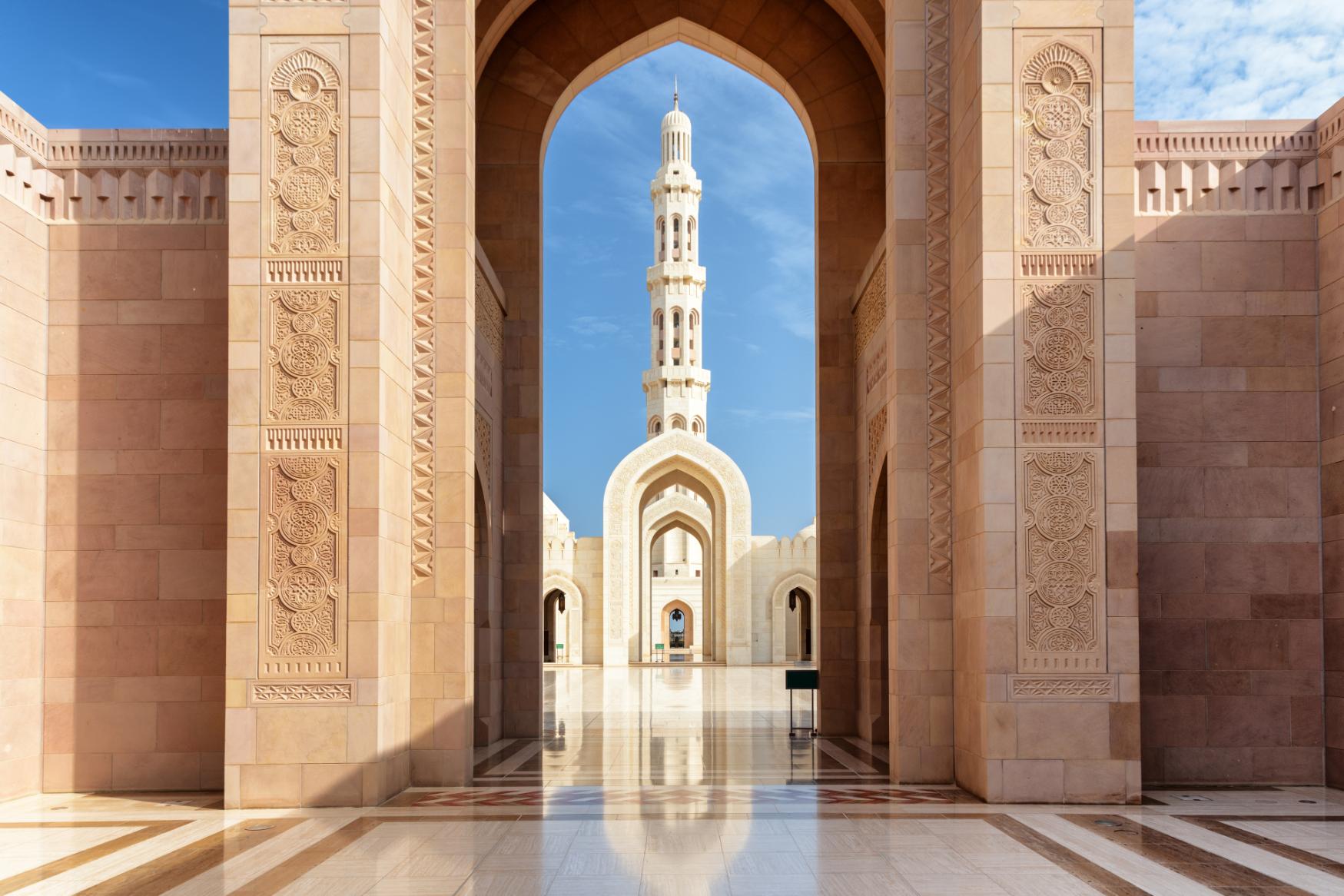
Oman: The Charm of the Arabian Peninsula
The Sultanate of Oman, located at the eastern tip of the Arabian Peninsula, is one of the most authentic and emerging travel destinations in the Middle East. With a history spanning thousands of years, landscapes that combine deserts, mountains, and beaches, and a renowned tradition of hospitality, Oman offers a unique experience far from the bustling modern cities of the region.
Geography and Location
Oman is bordered by the Sea of Oman and the Indian Ocean, with a coastline stretching over 3,000 km. Its landscapes include sandy deserts, the Al Hajar Mountains, coastal plains, and lush oases. Strategically positioned near the Strait of Hormuz, Oman has historically been an important hub for trade and maritime navigation.
History
Oman’s history is closely linked to the trade of frankincense and spices as well as seafaring. For centuries, Omanis were skilled sailors, traveling as far as East Africa and India. The Sultanate reached its peak in the 17th century, establishing colonies in Africa and dominating maritime trade routes. Today, Oman balances tradition with modern development while preserving its cultural identity.
Economy
While Oman’s economy relies on oil and natural gas, significant investments have been made in diversification, focusing on tourism, shipping, agriculture, and fishing. The country promotes ecotourism and cultural heritage, attracting travelers seeking authentic experiences.
Tourism in Oman
Oman offers a unique mix of culture, nature, and adventure, with Muscat as its capital and Salalah as a major resort destination.
Muscat
The capital blends modern infrastructure with traditional Arabian charm. Key attractions:
-
Sultan Qaboos Grand Mosque: A stunning religious landmark featuring the world’s largest hand-woven carpet.
-
Al Alam Palace: The Sultan’s official residence, noted for its distinctive architecture.
-
Muttrah Corniche: A scenic waterfront walk alongside Muttrah Souq, filled with spices, fabrics, and frankincense.
-
Museums and Forts: Including the National Museum and Jalali and Mirani Forts.
Salalah
Located in the southern Dhofar province, Salalah is famous for its cool tropical climate during the Khareef (monsoon) season, which transforms the desert into a lush green landscape with waterfalls and oases. Key attractions:
-
Beaches of Salalah: Ideal for swimming and water sports.
-
Archaeological sites: Such as Al-Baleed and Sumhuram ruins, linked to the frankincense trade.
-
Frankincense Museum: Showcasing the history and trade of this precious commodity.
Other Attractions
-
Al Hajar Mountains: Perfect for hiking, climbing, and exploring traditional villages.
-
Wahiba Sands: Endless desert landscapes for camel safaris, 4×4 adventures, and overnight stays in Bedouin camps.
-
Wadis (Canyons): Such as Wadi Shab and Wadi Bani Khalid, featuring natural pools and caves.
-
Daymaniyat Islands: A marine sanctuary ideal for diving and snorkeling.
Activities
-
Desert safaris and camel rides
-
Hiking and exploring mountains and canyons
-
Diving and water sports in pristine waters
-
Shopping in traditional souqs
-
Participating in cultural festivals and celebrations
Climate and Best Time to Visit
Oman has a hot desert climate, with regional differences between north and south.
-
Winter (October – April): Ideal visiting period, with temperatures around 20–30°C.
-
Summer (May – September): Extremely hot in most areas, but Salalah attracts thousands of visitors due to the cool Khareef season.
✨ Oman is a country that combines authenticity, natural beauty, and cultural heritage. From the majestic capital Muscat to the exotic landscapes of Salalah and the vast deserts, the Sultanate offers experiences that transport visitors to the heart of authentic Arabia. For those seeking a unique and emerging destination in the Middle East, Oman is the perfect choice.
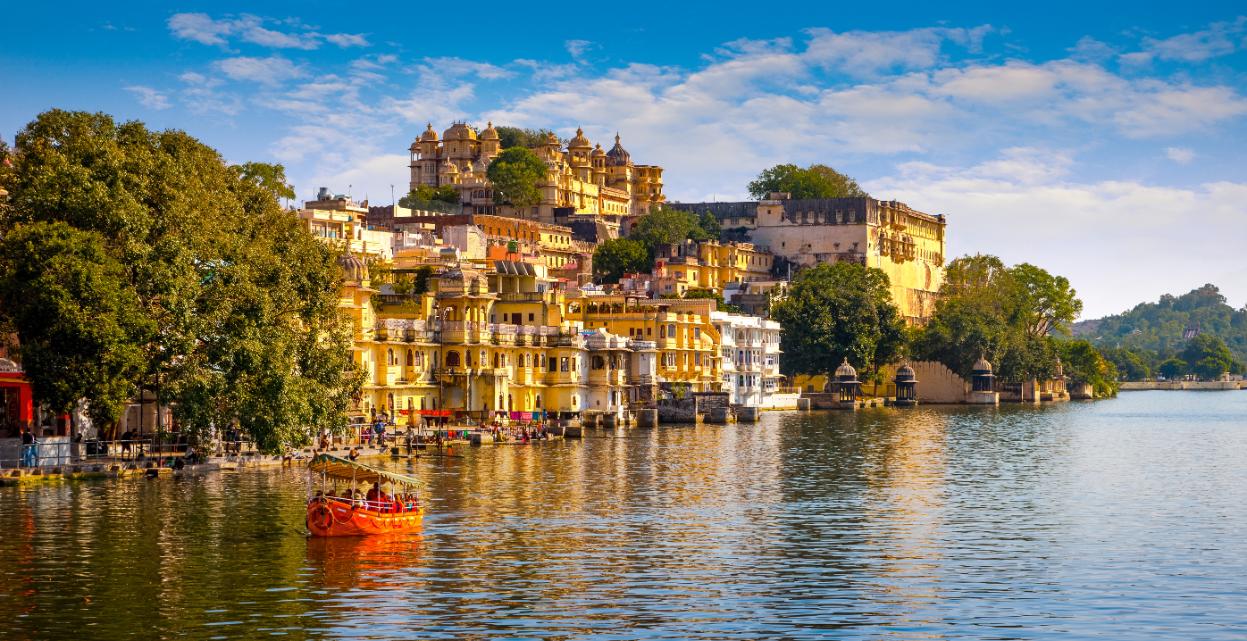
Udaipur: The City of Lakes
Udaipur, famously known as the “City of Lakes,” is one of the most romantic and picturesque cities in India. Located in southern Rajasthan and surrounded by the Aravalli Hills, it is renowned for its stunning palaces, tranquil lakes, and aristocratic charm. Udaipur is a top travel destination, ideal for travelers seeking culture, history, and enchantment.
Geography and Location
The city is built around artificial lakes, created by the Maharajas for water storage and as ornamental features for their capital. The most famous are Lake Pichola, Fateh Sagar, Udai Sagar, and Jaisamand, which give the city its unique character and help moderate its climate.
History
Udaipur was founded in 1559 by Maharaja Udai Singh II, who moved the capital of Mewar from Chittorgarh to a safer location. It quickly grew into a powerful center in Rajasthan and survived multiple attacks, preserving the independence and pride of the Rajput dynasty. Today, the royal legacy is evident in the city’s palaces, forts, and temples.
Economy
Tourism is the backbone of Udaipur’s economy, attracting visitors from all over the world. The city is also famous for luxury weddings and film productions hosted in its historic palaces. Additionally, traditional crafts such as jewelry, handwoven textiles, and miniature paintings remain important economic contributors.
Tourism in Udaipur
The “City of Lakes” is considered one of India’s most idyllic destinations, offering a perfect blend of natural beauty and cultural heritage.
Key Attractions
-
City Palace: The largest palace in Rajasthan, featuring luxurious halls, museums, and breathtaking views of Lake Pichola.
-
Lake Pichola & Lake Palace: The famous palace on an island, now a luxury hotel.
-
Jag Mandir: Another stunning palace on Lake Pichola with exotic gardens.
-
Saheliyon-ki-Bari: A beautiful garden adorned with fountains, lotus ponds, and marble structures.
-
Monsoon Palace (Sajjangarh): A hilltop palace offering panoramic city views, ideal for sunsets.
-
Jagdish Temple: A 17th-century Hindu temple dedicated to Lord Vishnu.
Activities
-
Boat rides on Lake Pichola, especially at sunset.
-
Explore the narrow streets of the old city, filled with markets, art workshops, and traditional cafes.
-
Attend traditional dance and music performances at Bagore ki Haveli.
-
Join cooking classes to experience authentic Rajasthani cuisine.
-
Participate in weddings and cultural events, as the city is renowned for fairy-tale celebrations.
Climate and Best Time to Visit
Udaipur has a hot and dry climate, but the lakes help moderate temperatures.
-
Summer (March – June): Hot, with temperatures reaching 40°C.
-
Monsoon (July – September): Frequent rains enhance the natural beauty.
-
Winter (October – February): Mild and pleasant, ideal for sightseeing.
The best time to visit is from October to March, when the weather is comfortable, and the city reveals its full charm.
✨ Udaipur, with its lakes, palaces, and forts, epitomizes romantic India. The city preserves its royal grandeur while warmly welcoming visitors. For those seeking a blend of history, culture, and natural beauty, Udaipur is truly an unforgettable destination.
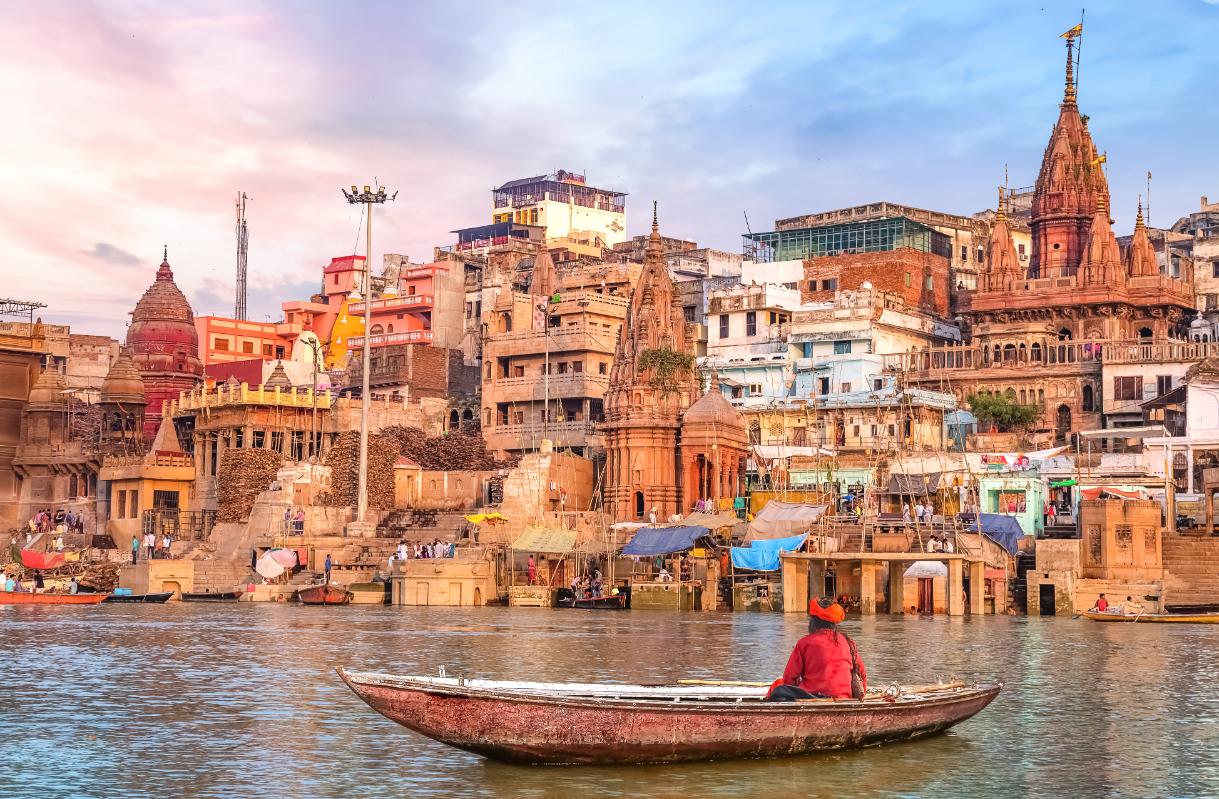
Varanasi: The Eternal City of Hinduism
Varanasi, also known as Kashi or Benares, is one of the oldest continuously inhabited cities in the world and the holiest for Hindus. Situated on the banks of the Ganges River in Uttar Pradesh, northern India, it draws millions of pilgrims and travelers each year seeking spirituality, culture, and an authentic Indian experience.
Geography and Location
The city stretches along the Ganges, lined with hundreds of ghats—stone stairways leading to the river—where devotees gather for prayers, ritual baths, and ceremonies. The river forms the heart of the city’s spiritual and social life, creating a unique and timeless landscape.
History & Heritage
Varanasi has a history spanning over three millennia. According to tradition, it was founded by the god Shiva, making it a central spiritual hub of Hinduism. In ancient times, it was an important center of learning, philosophy, and the arts. Nearby Sarnath is where Buddha delivered his first sermon, making it a sacred site for Buddhists as well. During the medieval period, Varanasi became renowned for its textiles, while remaining a symbol of spiritual devotion despite political upheavals.
Economy
The city’s economy is mainly driven by religious tourism, education, arts, and crafts. Varanasi is famous for its silk weaving and traditional saris, considered among the finest in India. It is also a hub for classical Indian music and dance, having produced many renowned artists over the centuries.
Tourism in Varanasi
Varanasi is more than just a city—it is a life experience. For Hindus, a dip in the Ganges washes away sins, and many believe that dying here ensures liberation of the soul.
Key Attractions
-
Ganges Ghats: Famous ghats include Dasashwamedh Ghat, known for its daily Ganga Aarti ceremony, and Manikarnika Ghat, the most important cremation site in India.
-
Kashi Vishwanath Temple: Dedicated to Lord Shiva, one of the most revered Hindu temples.
-
Sarnath: A sacred Buddhist site where Buddha preached his first sermon, featuring stupas and historic monuments.
-
Old City: A labyrinth of narrow streets filled with markets, small temples, and traditional houses.
Activities
-
Boat rides on the Ganges at sunrise, enjoying the mesmerizing view of the ghats.
-
Witness the Ganga Aarti ceremony, with fire, songs, and prayers along the riverbank.
-
Explore local markets for silk saris, jewelry, and handicrafts.
-
Taste traditional street foods like chaat and lassi.
-
Visit Sarnath to connect with Buddhist heritage.
Climate and Best Time to Visit
Varanasi has a hot continental climate:
-
Summer (April – June): Extremely hot, often exceeding 40°C.
-
Monsoon (July – September): Heavy rains and high humidity.
-
Winter (November – February): Mild and pleasant, ideal for sightseeing.
The best time to visit is from October to March, when the weather is comfortable and festivals create a vibrant, spiritual atmosphere.
Varanasi is the living soul of India—a city where life and death, religion and daily life coexist harmoniously. It is a place of faith, art, and culture, offering travelers unforgettable and deeply meaningful experiences.