Varanasi, also known as Kashi or Benares, is one of the oldest continuously inhabited cities in the world and the holiest for Hindus. Situated on the banks of the Ganges River in Uttar Pradesh, northern India, it draws millions of pilgrims and travelers each year seeking spirituality, culture, and an authentic Indian experience.
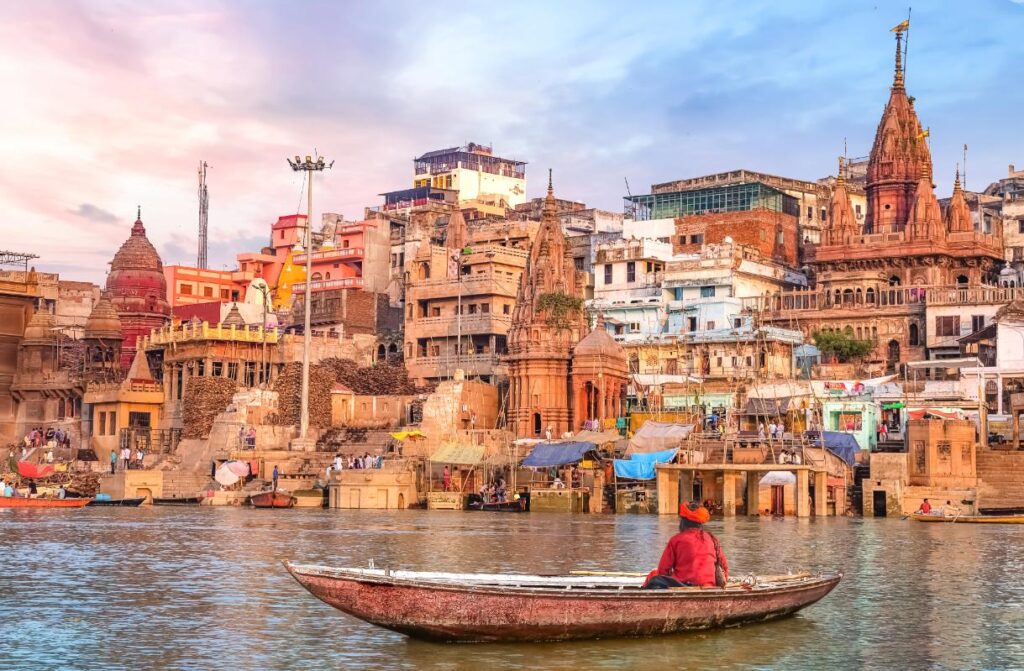
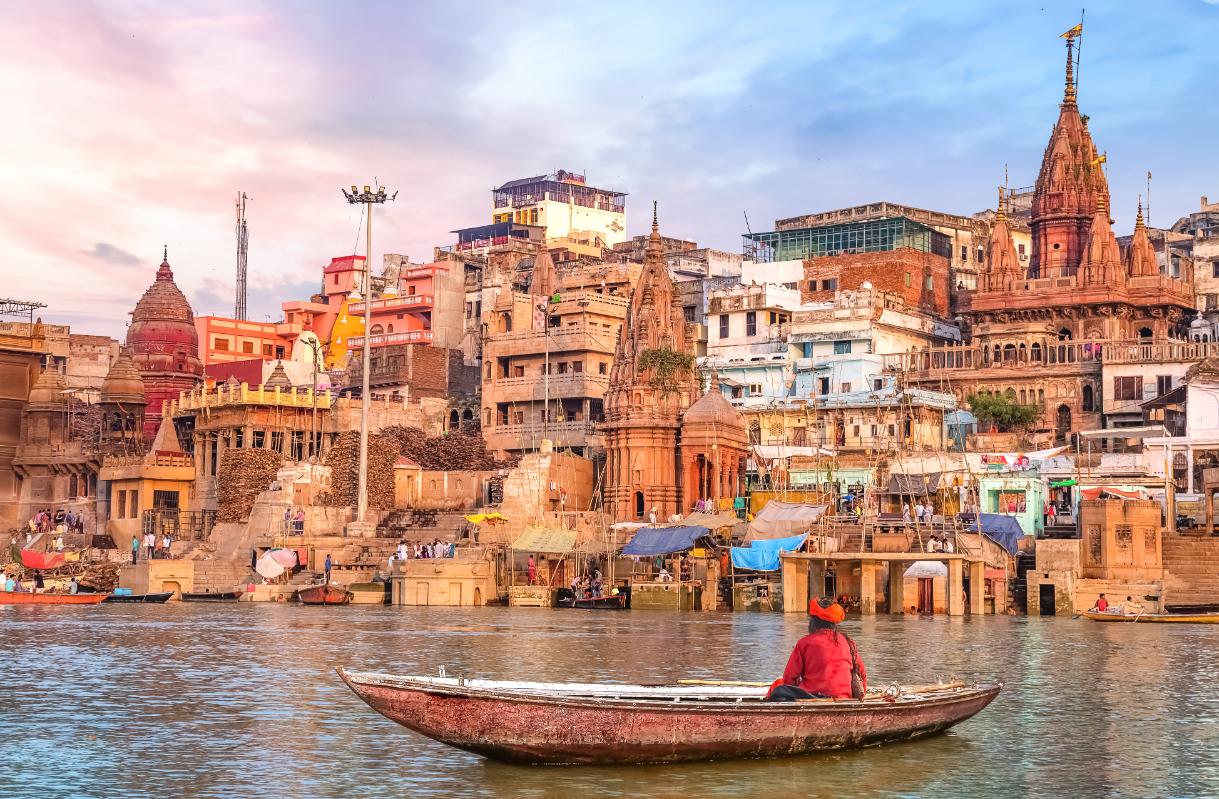
The city stretches along the Ganges, lined with hundreds of ghats—stone stairways leading to the river—where devotees gather for prayers, ritual baths, and ceremonies. The river forms the heart of the city’s spiritual and social life, creating a unique and timeless landscape.
Varanasi has a history spanning over three millennia. According to tradition, it was founded by the god Shiva, making it a central spiritual hub of Hinduism. In ancient times, it was an important center of learning, philosophy, and the arts. Nearby Sarnath is where Buddha delivered his first sermon, making it a sacred site for Buddhists as well. During the medieval period, Varanasi became renowned for its textiles, while remaining a symbol of spiritual devotion despite political upheavals.
The city’s economy is mainly driven by religious tourism, education, arts, and crafts. Varanasi is famous for its silk weaving and traditional saris, considered among the finest in India. It is also a hub for classical Indian music and dance, having produced many renowned artists over the centuries.
Varanasi is more than just a city—it is a life experience. For Hindus, a dip in the Ganges washes away sins, and many believe that dying here ensures liberation of the soul.
Key Attractions
Ganges Ghats: Famous ghats include Dasashwamedh Ghat, known for its daily Ganga Aarti ceremony, and Manikarnika Ghat, the most important cremation site in India.
Kashi Vishwanath Temple: Dedicated to Lord Shiva, one of the most revered Hindu temples.
Sarnath: A sacred Buddhist site where Buddha preached his first sermon, featuring stupas and historic monuments.
Old City: A labyrinth of narrow streets filled with markets, small temples, and traditional houses.
Boat rides on the Ganges at sunrise, enjoying the mesmerizing view of the ghats.
Witness the Ganga Aarti ceremony, with fire, songs, and prayers along the riverbank.
Explore local markets for silk saris, jewelry, and handicrafts.
Taste traditional street foods like chaat and lassi.
Visit Sarnath to connect with Buddhist heritage.
Varanasi has a hot continental climate:
Summer (April – June): Extremely hot, often exceeding 40°C.
Monsoon (July – September): Heavy rains and high humidity.
Winter (November – February): Mild and pleasant, ideal for sightseeing.
The best time to visit is from October to March, when the weather is comfortable and festivals create a vibrant, spiritual atmosphere.
Varanasi is the living soul of India—a city where life and death, religion and daily life coexist harmoniously. It is a place of faith, art, and culture, offering travelers unforgettable and deeply meaningful experiences.
We’d like to occasionally send you news, offers and updates. To join our mailing list enter your email address in this box and look out for a confirmation in your inbox.