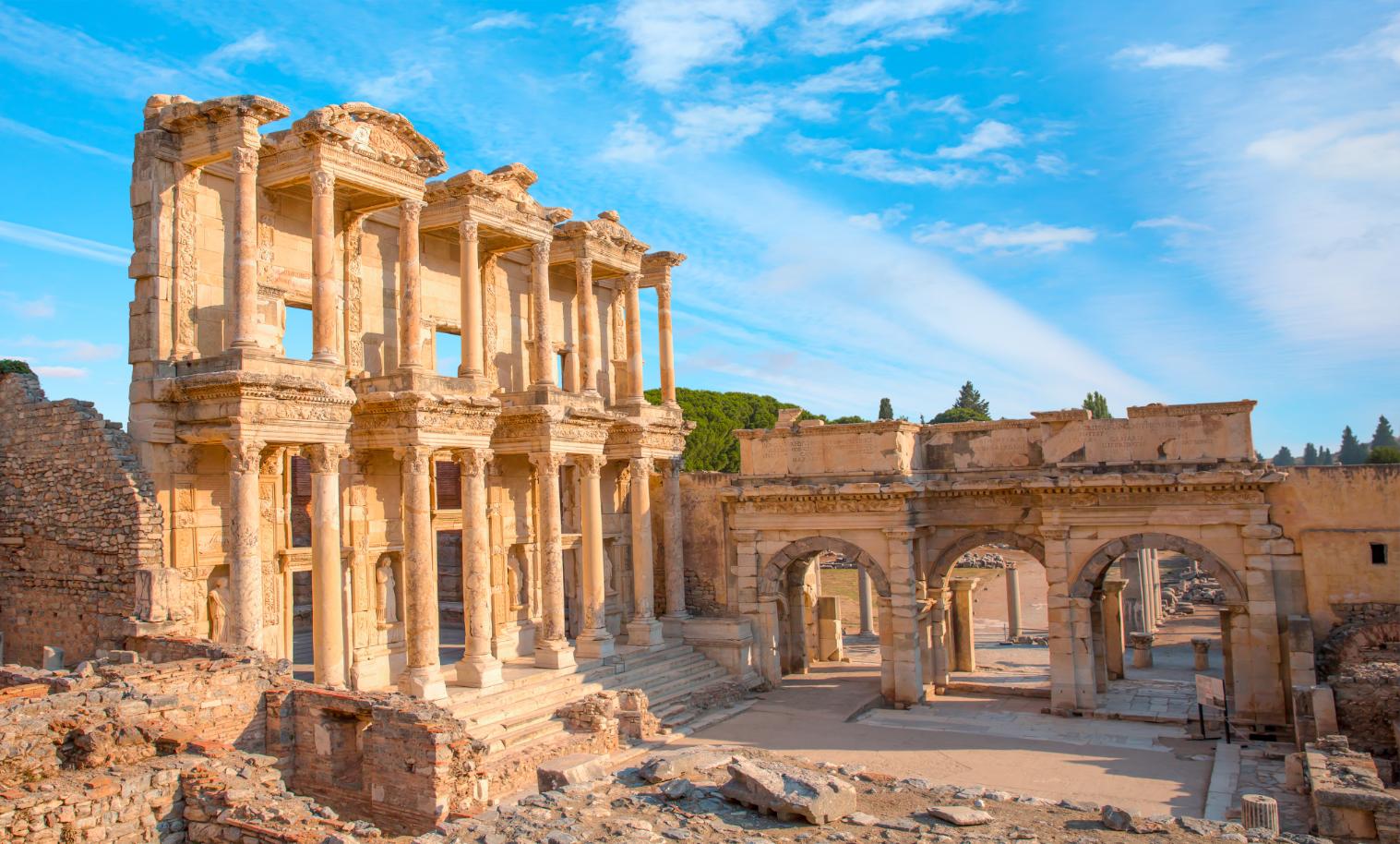
Ephesus, located on the western coast of modern-day Türkiye, is one of the most remarkable archaeological sites in the Eastern Mediterranean. Once a thriving Roman metropolis and a major center of early Christianity, it combines monumental ruins with a deep historical resonance. Nestled in a fertile valley near the Aegean Sea, Ephesus offers visitors an unforgettable journey through grand architecture, ancient traditions, and cultural heritage. Its impressive remains and spiritual legacy make it a must-visit destination for history lovers, pilgrims, and travelers with an interest in classical antiquity.
Situated near the town of Selçuk, Ephesus lies in a lush plain close to the Küçük Menderes River. The surrounding hills and farmlands create a picturesque setting, allowing visitors to explore the archaeological zone in a peaceful natural environment. The region enjoys a mild Mediterranean climate, with warm summers and pleasant spring and autumn months, making it ideal for outdoor exploration.
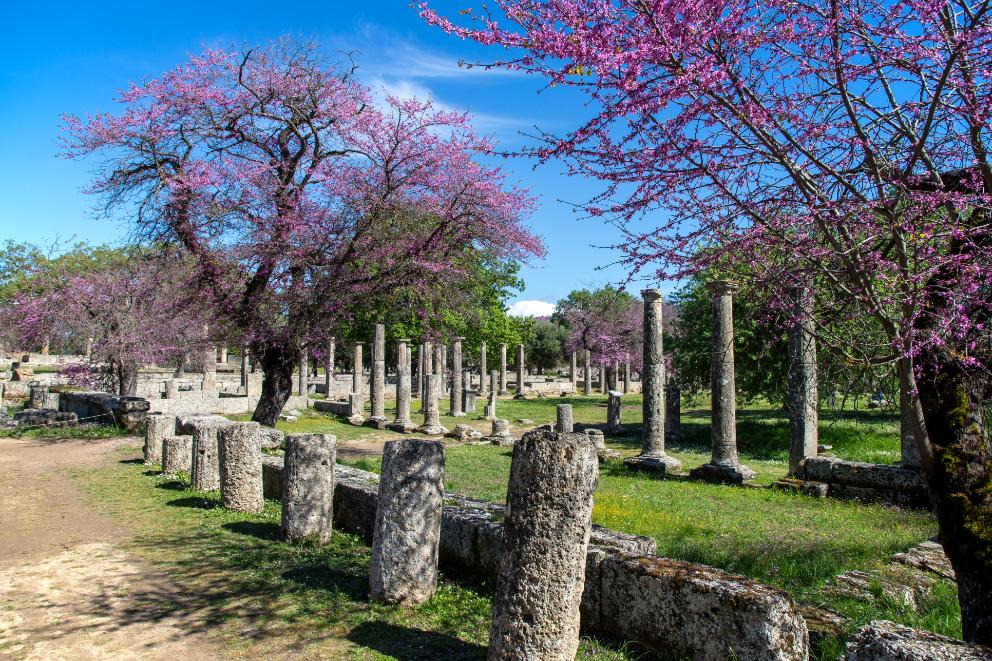
Ephesus dates back to the 10th century BC and flourished under the Greeks and later the Romans, becoming one of the largest and most prosperous cities of the empire. It was home to the Temple of Artemis, one of the Seven Wonders of the Ancient World, and played an important role as a commercial and cultural hub. The city is also central to Christian heritage: St. Paul lived and preached here, and the early Christian community left a strong legacy. Its urban layout, monumental buildings, and preserved streets make Ephesus a UNESCO World Heritage Site and one of the most evocative windows into ancient civilization.
Visitors to Ephesus can discover many extraordinary highlights:
Exploring Ephesus allows travelers to immerse themselves in both history and spirituality. Walking through its marble streets, admiring intricate mosaics, or visiting nearby sacred sites creates a complete cultural journey. The nearby town of Selçuk offers charming cafés, local markets, and handicraft workshops, while the surrounding countryside is dotted with vineyards, orchards, and traditional villages. Day trips to the Aegean coast or nearby historic sites can complement the experience.
Ephesus enjoys a warm Mediterranean climate, with hot summers and mild winters. The ideal periods to visit are spring and autumn, when temperatures are comfortable and the site is less crowded. Summer visits are also popular, though exploring during early morning or late afternoon is recommended to avoid high heat.
Ephesus is more than an ancient city—it’s a powerful symbol of cultural achievement, spiritual history, and architectural brilliance. Its temples, theaters, and sacred sites transport visitors back to the height of Roman civilization and early Christianity, offering a moving and enriching journey through time.
We’d like to occasionally send you news, offers and updates. To join our mailing list enter your email address in this box and look out for a confirmation in your inbox.