Delhi, the capital of India, is one of the world’s most dynamic and fascinating metropolises. A political, cultural, and economic hub, the city seamlessly blends ancient heritage with modern development. Stretching along the Yamuna River in northern India, Delhi is divided into two main parts: Old Delhi, with its historic monuments and bustling bazaars, and New Delhi, the British-designed capital with wide boulevards, government buildings, and modern infrastructure.
With a history spanning over 2,000 years, Delhi has served as the capital of several empires – from the Mauryas and Guptas to the Delhi Sultans and later the mighty Mughal dynasty. The city reached great glory under Emperor Shah Jahan, who built the Red Fort and Jama Masjid, India’s largest mosque. In the 19th century, Delhi came under British rule and in 1911 was chosen as the new capital of India, replacing Calcutta. After independence in 1947, Delhi became the administrative and cultural heart of the nation.
Today, Delhi is one of India’s most important economic centers, home to Parliament, ministries, and foreign embassies. Its economy thrives in trade, IT, education, textiles, jewelry, and handicrafts, while it also boasts some of the country’s busiest retail and business markets. The city is a vibrant mix of tradition and modernity.
Tourism plays a vital role in Delhi’s identity. The city offers a rich mosaic of UNESCO World Heritage sites, colorful markets, diverse cuisines, and a vibrant cultural scene that draws visitors from across the globe.
Red Fort (Lal Qila): Iconic Mughal fortress built from red sandstone.
Jama Masjid: The largest mosque in India with panoramic city views.
India Gate: War memorial arch dedicated to Indian soldiers of World War I.
Qutub Minar: UNESCO-listed, the tallest stone minaret in India.
Lotus Temple: A modern Bahá’í temple with lotus-inspired design.
Humayun’s Tomb: A Mughal masterpiece that inspired the Taj Mahal.
Chandni Chowk & Connaught Place: Legendary markets offering everything from spices and fabrics to modern boutiques and cafés.
Exploring historic sites, forts, and museums.
Tasting Delhi’s famous street food (parathas, chaat, kebabs) or dining in fine restaurants.
Shopping in traditional bazaars and stylish malls.
Watching live performances of classical dance, music, and theatre.
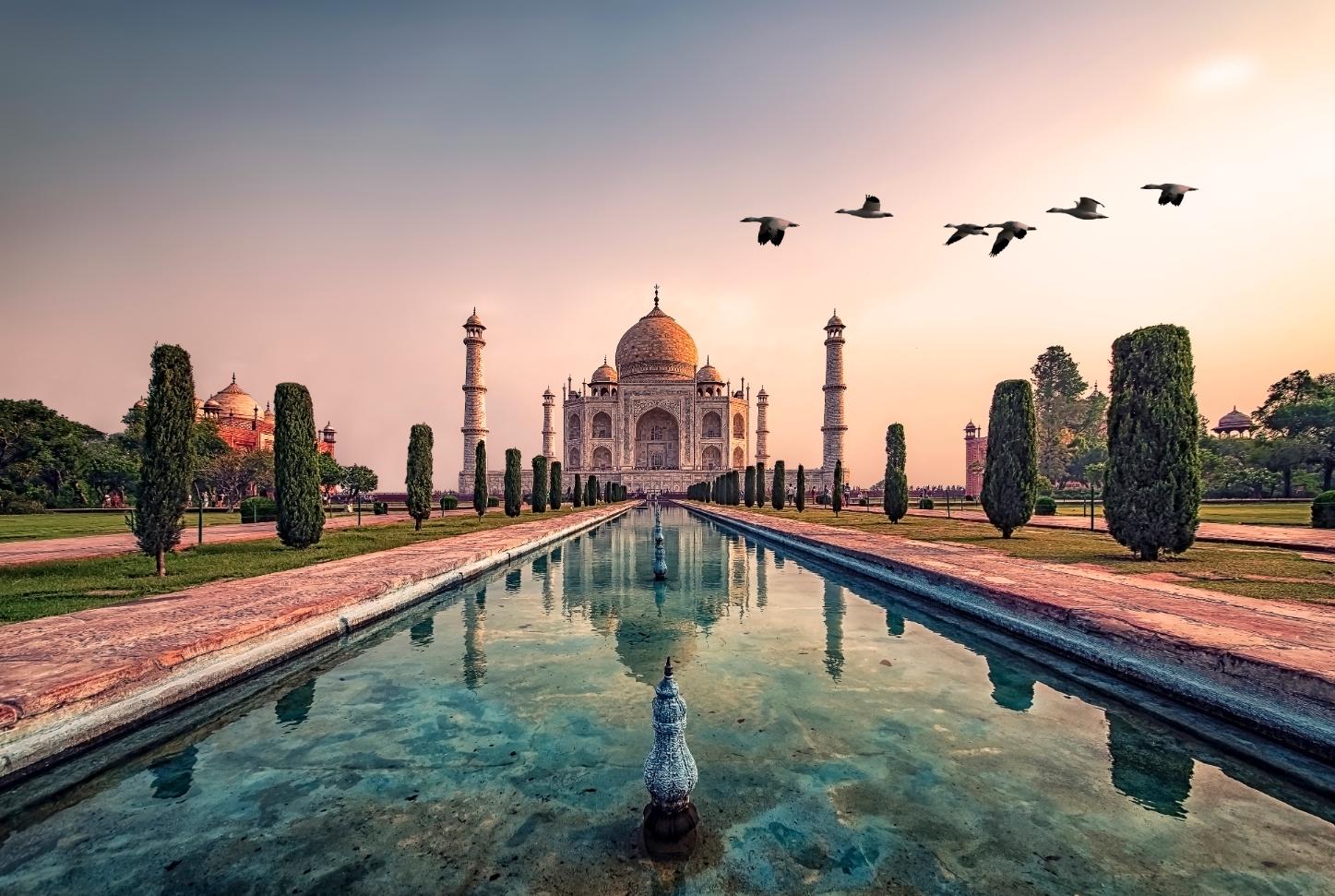
Taking excursions to nearby highlights like Agra (Taj Mahal) or Jaipur, completing the iconic Golden Triangle tour – India’s most popular travel circuit.
Delhi has a continental climate with hot summers, humid monsoons, and cool winters.
Summer (April – June): Extremely hot, with temperatures over 40°C.
Monsoon (July – September): Heavy rainfall and high humidity.
Winter (November – February): Mild to chilly, the best season for sightseeing.
October to March is the most pleasant period to visit, with comfortable weather for exploring both Old and New Delhi.
Delhi is a city where the past and present coexist in harmony – Mughal monuments stand alongside modern skyscrapers, traditional markets buzz near luxury malls, and centuries-old traditions thrive in a globalized capital. A journey to Delhi is not just a visit to India’s capital, but an immersion into the country’s history, culture, and vibrant spirit.



We’d like to occasionally send you news, offers and updates. To join our mailing list enter your email address in this box and look out for a confirmation in your inbox.