Explore more
Destinations
The Sultanate of Oman, located at the eastern tip of the Arabian Peninsula, is one of the most authentic and emerging travel destinations in the Middle East. With a history spanning thousands of years, landscapes that combine deserts, mountains, and beaches, and a renowned tradition of hospitality, Oman offers a unique experience far from the bustling modern cities of the region.
Oman is bordered by the Sea of Oman and the Indian Ocean, with a coastline stretching over 3,000 km. Its landscapes include sandy deserts, the Al Hajar Mountains, coastal plains, and lush oases. Strategically positioned near the Strait of Hormuz, Oman has historically been an important hub for trade and maritime navigation.
Oman’s history is closely linked to the trade of frankincense and spices as well as seafaring. For centuries, Omanis were skilled sailors, traveling as far as East Africa and India. The Sultanate reached its peak in the 17th century, establishing colonies in Africa and dominating maritime trade routes. Today, Oman balances tradition with modern development while preserving its cultural identity.
While Oman’s economy relies on oil and natural gas, significant investments have been made in diversification, focusing on tourism, shipping, agriculture, and fishing. The country promotes ecotourism and cultural heritage, attracting travelers seeking authentic experiences.
Oman offers a unique mix of culture, nature, and adventure, with Muscat as its capital and Salalah as a major resort destination.
The capital blends modern infrastructure with traditional Arabian charm. Key attractions:
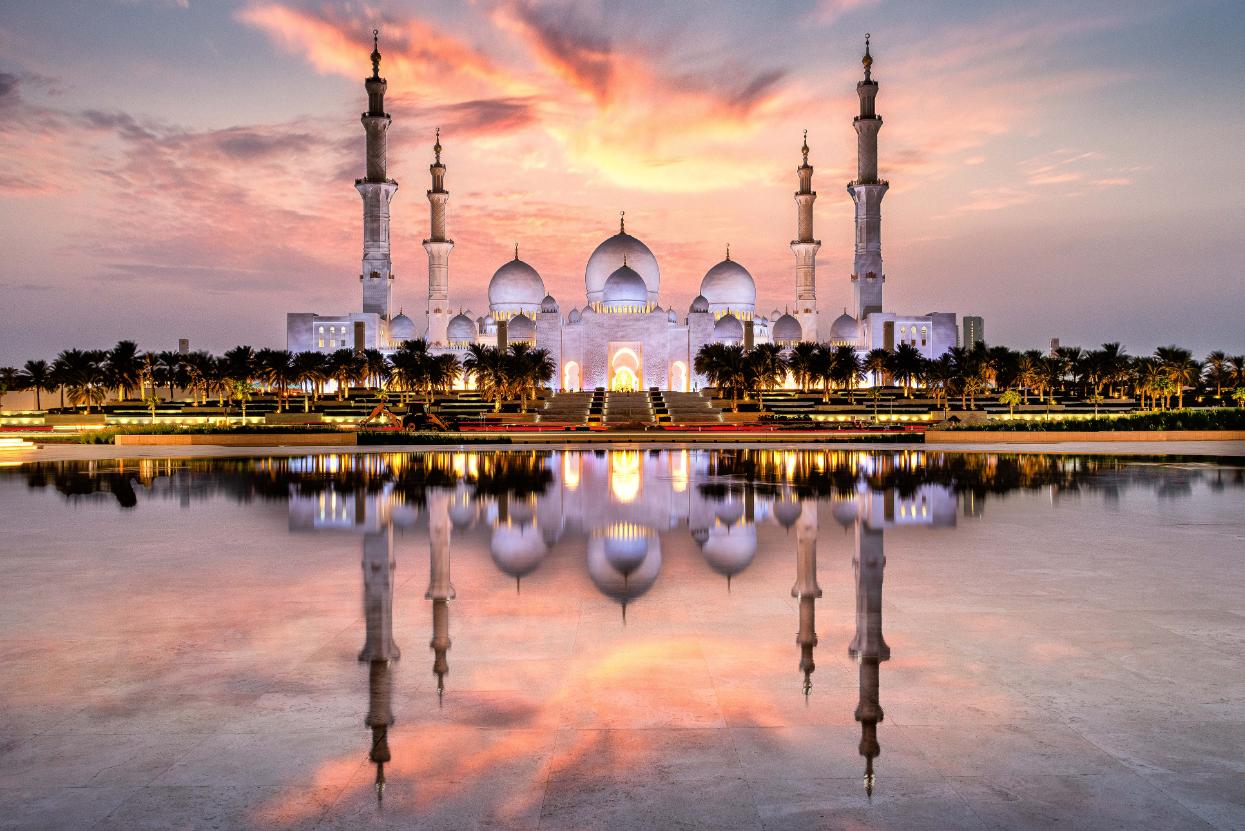
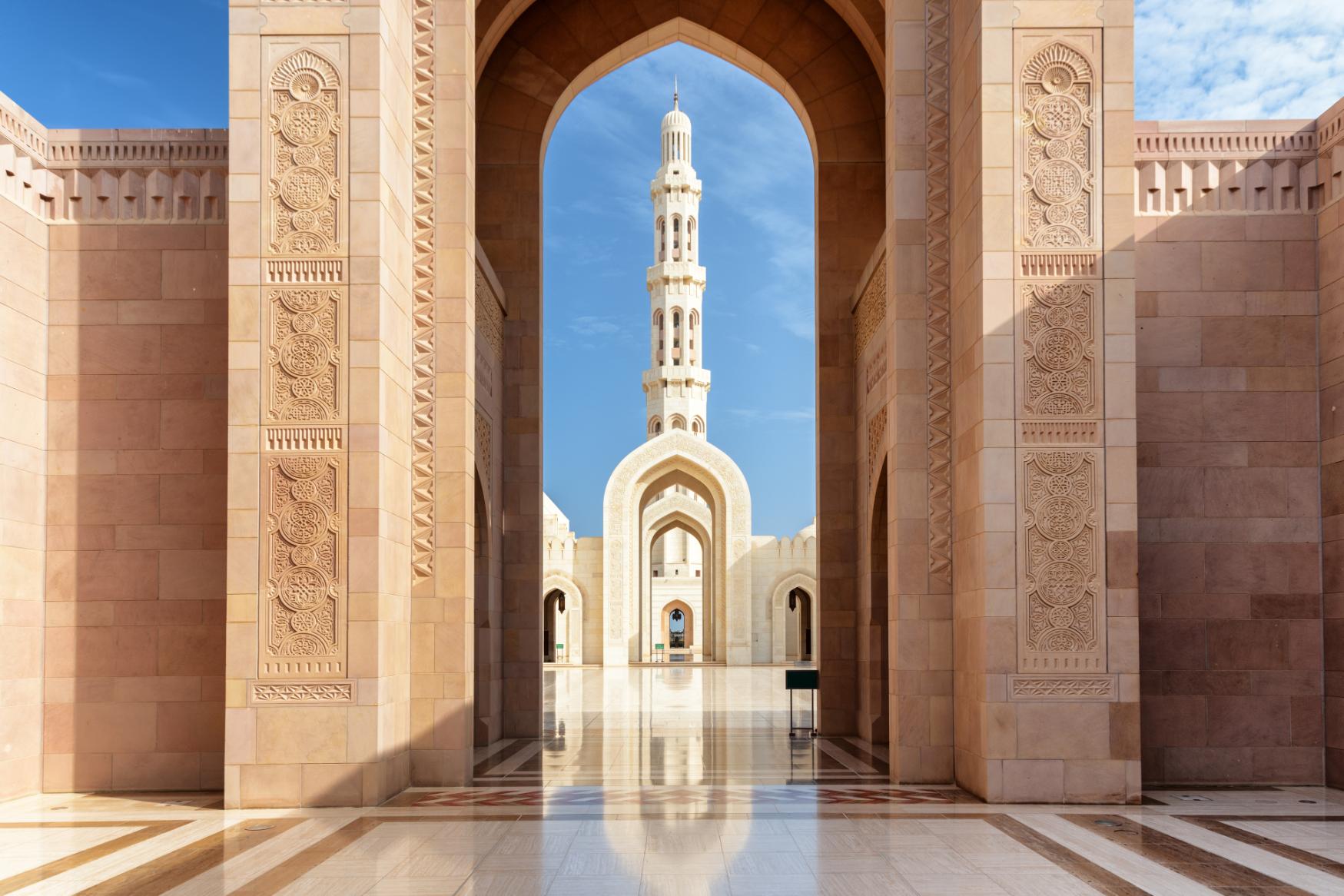
Sultan Qaboos Grand Mosque: A stunning religious landmark featuring the world’s largest hand-woven carpet.
Al Alam Palace: The Sultan’s official residence, noted for its distinctive architecture.
Muttrah Corniche: A scenic waterfront walk alongside Muttrah Souq, filled with spices, fabrics, and frankincense.
Museums and Forts: Including the National Museum and Jalali and Mirani Forts.
Located in the southern Dhofar province, Salalah is famous for its cool tropical climate during the Khareef (monsoon) season, which transforms the desert into a lush green landscape with waterfalls and oases. Key attractions:
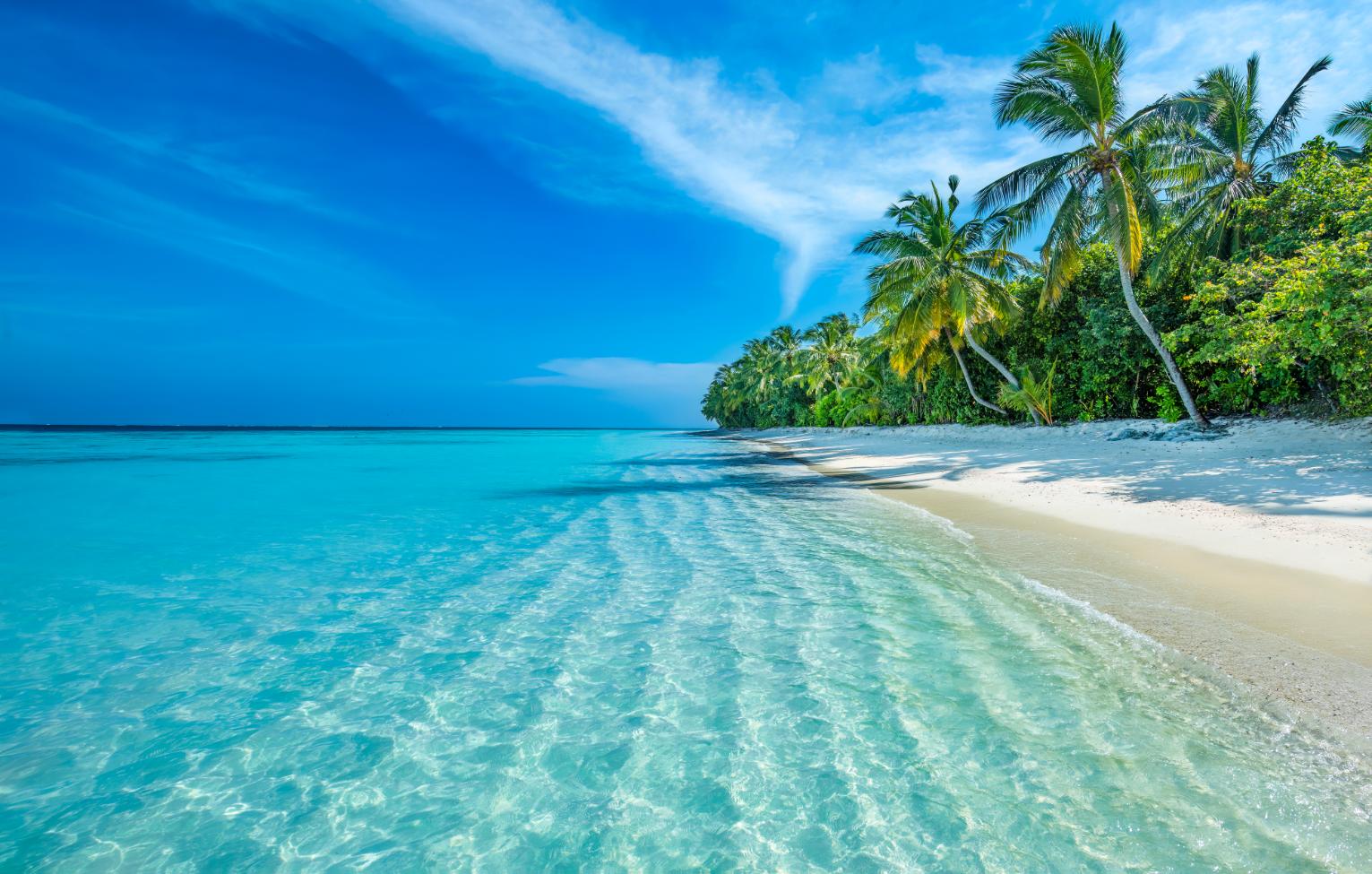
Beaches of Salalah: Ideal for swimming and water sports.
Archaeological sites: Such as Al-Baleed and Sumhuram ruins, linked to the frankincense trade.
Frankincense Museum: Showcasing the history and trade of this precious commodity.
Al Hajar Mountains: Perfect for hiking, climbing, and exploring traditional villages.
Wahiba Sands: Endless desert landscapes for camel safaris, 4×4 adventures, and overnight stays in Bedouin camps.
Wadis (Canyons): Such as Wadi Shab and Wadi Bani Khalid, featuring natural pools and caves.
Daymaniyat Islands: A marine sanctuary ideal for diving and snorkeling.
Desert safaris and camel rides
Hiking and exploring mountains and canyons
Diving and water sports in pristine waters
Shopping in traditional souqs
Participating in cultural festivals and celebrations
Oman has a hot desert climate, with regional differences between north and south.
Winter (October – April): Ideal visiting period, with temperatures around 20–30°C.
Summer (May – September): Extremely hot in most areas, but Salalah attracts thousands of visitors due to the cool Khareef season.
✨ Oman is a country that combines authenticity, natural beauty, and cultural heritage. From the majestic capital Muscat to the exotic landscapes of Salalah and the vast deserts, the Sultanate offers experiences that transport visitors to the heart of authentic Arabia. For those seeking a unique and emerging destination in the Middle East, Oman is the perfect choice.
We’d like to occasionally send you news, offers and updates. To join our mailing list enter your email address in this box and look out for a confirmation in your inbox.