Kerala, often referred to as the “God’s Own Country”, is one of India’s most enchanting states, celebrated for its lush landscapes, rich cultural heritage, and unique blend of tradition and modernity. Located along the southwestern Malabar Coast of India, Kerala stretches almost 600 km along the Arabian Sea, bordered by Karnataka to the north and Tamil Nadu to the east. The towering Western Ghats form a natural boundary, creating fertile plains, rivers, and the famous backwaters. Its tropical climate, abundant rainfall, tea and spice plantations, beaches, hills, forests, and waterways make Kerala an ecological treasure.
Kerala’s history is deeply intertwined with trade and cultural exchange. Renowned for its spices, especially black pepper, the region attracted traders from Greece, Rome, Arabia, and later Europe. The Malabar Coast became a vital link in maritime trade routes, bringing waves of cultural influence, including Christianity, Islam, and Judaism, alongside Hinduism and later Buddhism.
In the 15th century, the Portuguese arrived, followed by the Dutch and British, leaving their mark on the region. Kerala played an important role in India’s independence movement, and in 1956 it was officially established as a state, uniting Malayalam-speaking regions.
Kerala’s economy is supported by agriculture, services, foreign remittances, and tourism. Fertile soil and tropical climate favor crops such as rice, coconut, tea, coffee, rubber, and a variety of spices. Coconut products from Kerala are internationally renowned.
The services sector, particularly education and healthcare, is highly developed, giving Kerala some of India’s best social indicators, including high literacy and life expectancy rates. Remittances from Keralites working abroad also contribute significantly. In recent decades, tourism has become a major factor, with Kerala recognized globally as a top travel destination.
Tourism in Kerala combines natural beauty, wellness traditions, and cultural experiences. The state is famous for:
Tea plantations and hill stations
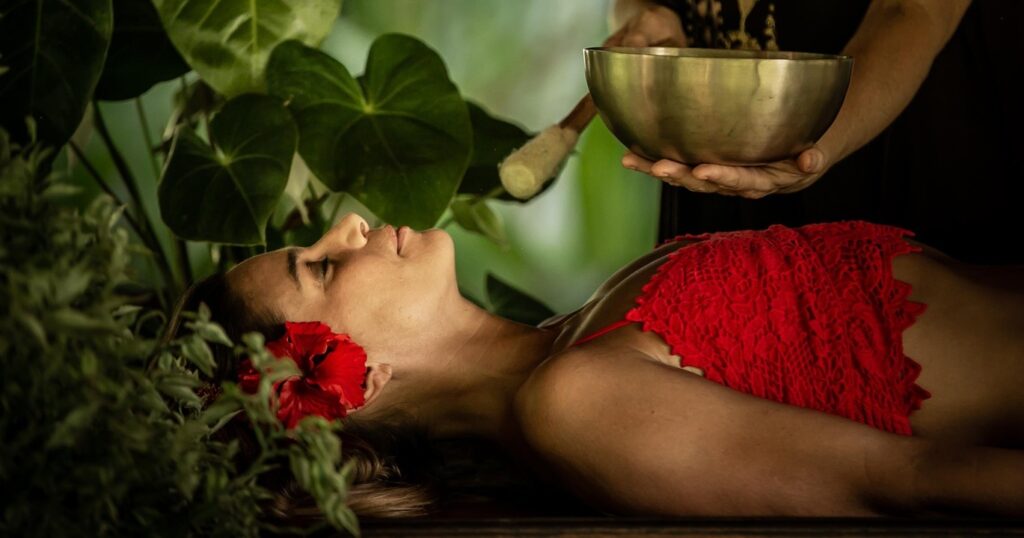
Ayurveda wellness centers and yoga retreats
Tranquil backwaters
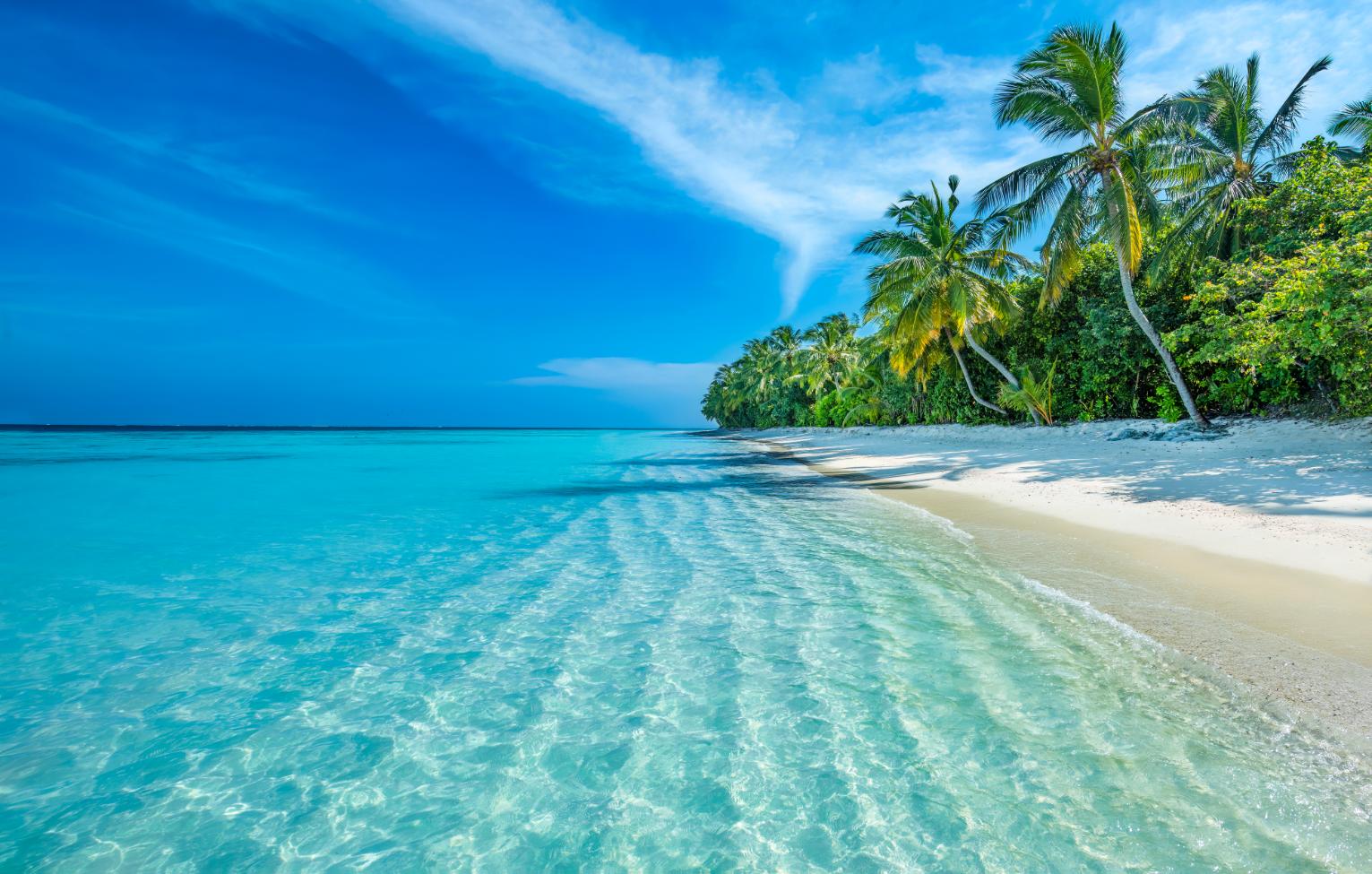
Palm-fringed beaches
Visitors are drawn to both luxury and simplicity, experiencing a harmony of nature and culture.
Kochi (Cochin): Known as the “Queen of the Arabian Sea”, Kochi is a vibrant port city with Portuguese, Dutch, and British colonial heritage. Highlights include the Chinese fishing nets, Fort Kochi, and Mattancherry Palace.
Alleppey (Alappuzha): Often called the “Venice of the East”, Alleppey is famous for houseboat cruises along its backwaters, surrounded by lush greenery, rice paddies, and villages.
Munnar: A hill station in the Western Ghats, covered with tea plantations, misty hills, and forests—perfect for nature lovers.
Kumarakom: On the banks of Vembanad Lake, this backwater paradise is also a hotspot for birdwatching at the Bird Sanctuary.
Thekkady & Periyar: Wildlife sanctuaries ideal for boat safaris, spotting elephants, deer, and exotic birds.
Wayanad: Known for waterfalls, caves, and spice plantations, ideal for hiking and exploration.
Beaches Kovalam & Varkala: Famous for golden sands, surfing, sunbathing, and Ayurvedic therapies.
Thrissur: Often called Kerala’s cultural capital, hosting temples, festivals, and the globally renowned Thrissur Pooram Festival.
Houseboat Cruises: A serene journey through Kerala’s iconic backwaters on traditional kettuvallam boats.
Ayurveda & Yoga: Kerala is a world leader in wellness retreats, offering rejuvenating treatments and serene settings.
Spice Plantation Tours: Walk through cardamom, pepper, and cinnamon plantations in Munnar and Wayanad.
Wildlife Safaris: Visit Periyar and Wayanad for elephant and tiger sightings and rich birdlife.
Cultural Performances: Experience Kathakali dance, Kalaripayattu martial arts, and temple festivals.
Beach Activities: From water sports at Kovalam to cliffside relaxation at Varkala, Kerala’s beaches cater to all travelers.
Kerala enjoys a tropical climate with warm temperatures year-round, generally ranging from 24°C to 32°C. The state experiences three main seasons:
Summer (Mar – May): Hot, but suitable for hill stations and cultural tours.
Monsoon (Jun – Sep): Heavy rains nourish the lush landscape; ideal for Ayurveda therapies.
Winter (Oct – Feb): Mild and pleasant, perfect for sightseeing, backwater cruises, and beach holidays.
The best time to visit Kerala is October to March, when the weather is dry, cool, and comfortable. Temperatures range between 18°C and 28°C, ideal for sightseeing, houseboat cruises, beach vacations, and hill station explorations. Monsoon season (June to September) is less suitable for outdoor tours but perfect for wellness retreats. Summer (March to May) is warmer but still favorable for cultural experiences and hill stations.
✨ Kerala offers a perfect blend of natural beauty, wellness traditions, history, and vibrant culture. From misty hills to golden beaches, from centuries-old trade towns to thriving modern cities, it provides a wide range of experiences. Its title as “God’s Own Country” is well deserved, making it one of India’s most captivating destinations.
We’d like to occasionally send you news, offers and updates. To join our mailing list enter your email address in this box and look out for a confirmation in your inbox.